
Welcome to the ultimate guide on one of the most essential skills you’ll ever teach your furry friend. If you’re wondering How To Bathroom Train A Dog, you’ve come to the right place. This journey requires patience, consistency, and a whole lot of love, but the reward—a clean home and a happy, confident dog—is more than worth it. Whether you have a brand-new puppy or an adult dog who needs a refresher, these principles will set you both up for success. Understanding this process is fundamental, and it’s closely related to knowing how to train my dog to poop outside specifically. Let’s dive into the foolproof methods that will turn “oops” moments into potty training victories.
Understanding the Canine Potty Mindset
Before we jump into the “how-to,” let’s get inside your dog’s head. Dogs aren’t born understanding that the living room rug is off-limits. Their natural instinct is simply not to soil their den—the area where they sleep and eat. Our job is to expand their definition of “the den” to include our entire home.
Success hinges on three core concepts:
- Routine: Dogs are creatures of habit. A predictable schedule helps them understand when and where to eliminate.
- Supervision: Preventing accidents is just as important as rewarding success. Close supervision is key, especially in the early stages.
- Positive Reinforcement: This is the cornerstone of modern dog training. Rewarding the desired behavior makes your dog want to do the right thing.
The Step-by-Step Plan to Potty Perfection
Ready to begin? Here is a clear, actionable plan. Consistency is your best friend, so stick to these steps as closely as possible.
Step 1: Establish a Rock-Solid Routine
A consistent schedule is the foundation of successful bathroom training. A puppy’s bladder is small and they need frequent opportunities to go outside.
A good starting schedule looks like this:
- First thing in the morning
- Last thing at night
- After every meal
- After waking up from a nap
- After a play session
- At least once every two hours for young puppies (a general rule is they can hold it for their age in months plus one hour).
Stick to this schedule religiously. It teaches your dog that there are plenty of appropriate times to go, reducing the likelihood of accidents. This is the first step in figuring out how to get my puppy to pee and poop outside.
Step 2: Designate a “Go Potty” Spot
Choose one specific area outside where you want your dog to do their business. When you take them out on their scheduled breaks, always lead them directly to this spot on a leash. This association helps them understand the purpose of being outside. Stand still and let them sniff around. Using a consistent verbal cue, like “go potty” or “do your business,” in a calm, encouraging tone can also help create a powerful trigger.
Step 3: Master the Art of Positive Reinforcement
This is where the magic happens. The moment your dog finishes peeing or pooping in the designated spot, praise them enthusiastically! Use a happy, excited voice and immediately offer a high-value treat—something special they only get for successful potty breaks. This creates a positive association with going to the bathroom outside. The reward must be immediate to be effective; if you wait until you’re back inside, your dog won’t connect the treat with their action.
Step 4: Learn to Read the Signs
Your dog will often tell you when they need to go. You just have to learn their language. Common signs include:
- Circling
- Sniffing the ground intently
- Whining or barking
- Pacing back and forth
- Scratching at the door
When you see any of these behaviors, it’s a signal to drop everything and take them outside to their spot immediately.
Your Secret Weapon: Crate Training
A crate is one of the most effective tools for bathroom training. It taps into your dog’s natural instinct not to soil their den. When used correctly, a crate is a safe, cozy space for your dog, not a punishment.
The crate should be just large enough for your dog to stand up, turn around, and lie down comfortably. If it’s too big, they may feel it’s okay to use one corner as a bathroom and sleep in the other. Use the crate when you can’t actively supervise your dog, such as at night or when you have to leave the house for short periods. Always remember to take them out for a potty break immediately after they come out of the crate.
Handling Accidents: Stay Calm and Clean Up
Accidents are a normal part of the process. How you react is crucial.
“Never punish your dog for an accident,” advises Dr. Emily Carter, a veterinary behaviorist. “Punishment often creates fear and anxiety, which can lead to hiding to go to the bathroom, making the problem worse. Instead, focus on positive reinforcement for correct behavior and effective management to prevent mistakes.”
If you catch your dog in the act, make a calm but sharp noise (like a clap) to interrupt them, then immediately scoop them up and take them outside to their spot. If they finish outside, praise them.
If you find an accident after the fact, don’t scold your dog. They won’t connect the punishment to their earlier action. Instead, clean the area thoroughly with an enzymatic cleaner specifically designed for pet stains. Regular cleaners won’t eliminate the odor completely, and any lingering scent will attract your dog back to the same spot. This is a critical part of the overall strategy for how to train dog to use bathroom outside.
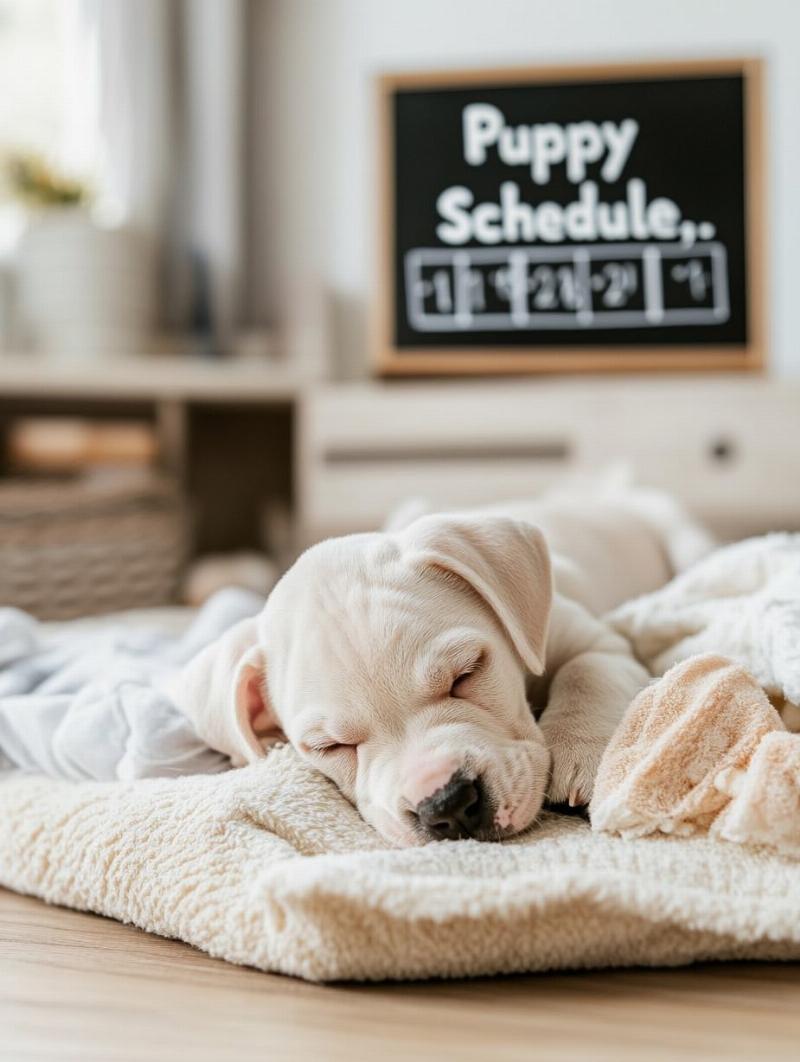 An infographic showing a sample daily schedule for how to bathroom train a dog, including times for meals, play, and potty breaks.
Common Challenges and Smart Solutions
Every dog is different, and you might encounter some bumps in the road. For instance, smaller breeds can sometimes present unique challenges, so understanding the specifics of how to train a yorkie to potty outside can be very helpful.
What About Puppy Pads?
Puppy pads can be a useful tool for those living in apartments or for people who can’t take their dog out frequently. However, they can also be confusing for a dog, teaching them that it’s sometimes okay to go to the bathroom inside. If you use them, be consistent about their placement and work on gradually moving the pad closer to the door you use to go outside, eventually placing it outside altogether.
Why Did My Potty-Trained Dog Start Having Accidents?
This is called regression, and it’s quite common. It can be triggered by a change in routine, stress, or a medical issue. First, rule out any health problems with a visit to your vet. If they get a clean bill of health, it’s time to go back to basics. Re-establish a strict routine, increase supervision, and reward successful potty breaks just like you did at the beginning. You can also introduce more advanced methods, and there are many people who have success with tools like bells for potty training dogs.
Frequently Asked Questions (FAQ)
How long does it take to bathroom train a dog?
This varies widely depending on the dog’s age, breed, and history. A young puppy might take several weeks to a few months to be fully reliable. Consistency from the owner is the single biggest factor in speeding up the process.
Can I potty train an older dog?
Absolutely! The principles are the same, though you may need more patience to undo old habits. A consistent routine and positive reinforcement are just as effective for adult dogs.
Should I limit my dog’s water intake?
No, you should never limit your dog’s access to fresh water unless specifically advised by your veterinarian. Instead, manage their potty needs by sticking to a predictable schedule. You can, however, pick up their water bowl an hour or two before bedtime to help prevent nighttime accidents.
What’s the biggest mistake people make when potty training?
The biggest mistake is inconsistency. Skipping scheduled potty breaks, not supervising closely enough, or using punishment instead of positive reinforcement will confuse your dog and prolong the training process.
Why does my dog pee when they get excited?
This is called submissive or excitement urination and is common in puppies and young dogs. They often grow out of it. To manage it, keep greetings calm and low-key, and try to greet them outside after a potty break.
Your Journey to a Potty-Trained Pal
Remember, learning how to bathroom train a dog is a marathon, not a sprint. There will be good days and bad days, but with a solid routine, endless patience, and a positive attitude, you will get there. This training process is more than just about keeping your floors clean; it’s about building a language of trust and understanding between you and your dog. Celebrate the small victories, and soon enough, you’ll have a confident, well-behaved companion who knows exactly where to “go.”
