
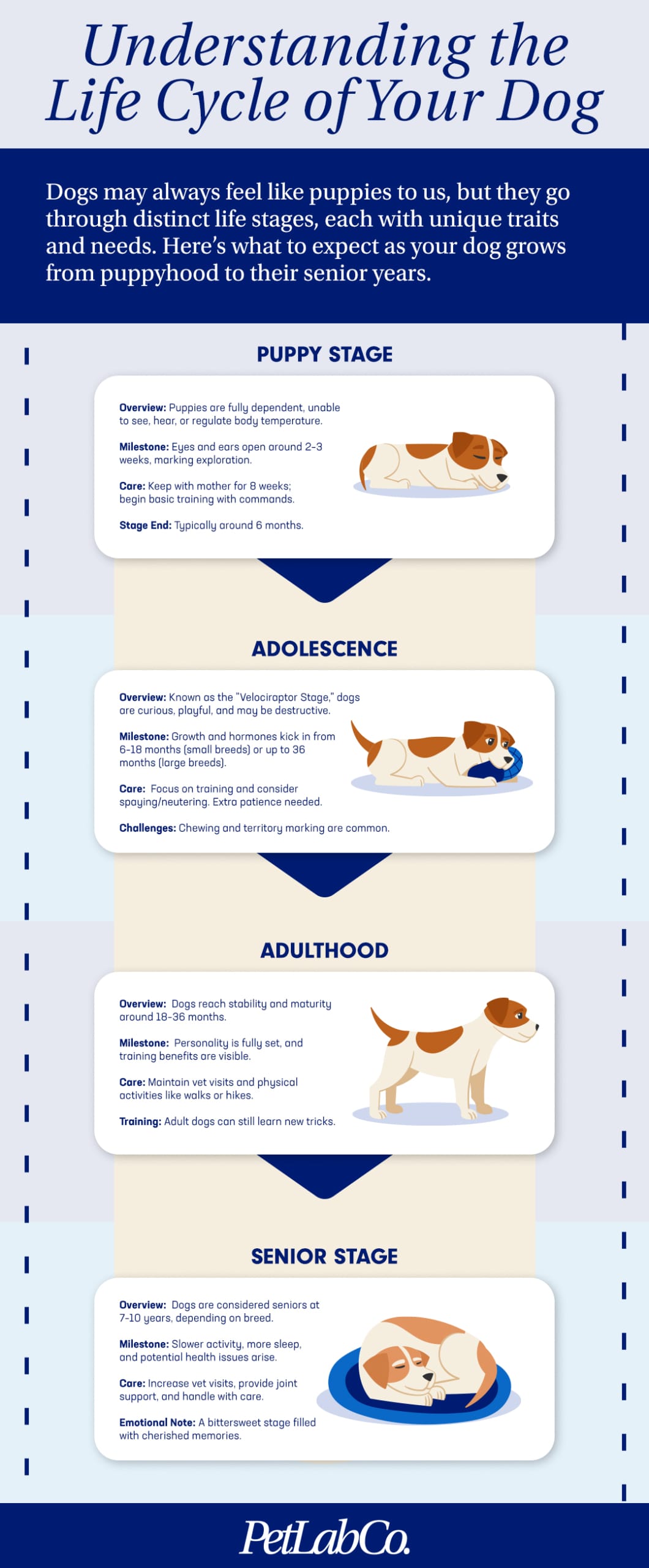
As our beloved canine companions age, understanding when they officially enter their senior years is crucial for providing them with the best possible care. This transition isn’t just a number; it signifies a shift in their physiological needs, activity levels, and potential health concerns. The most accurate way to determine a dog’s senior status is by their size, with smaller breeds generally aging more slowly than their larger counterparts. Dogs are living longer thanks to advancements in veterinary medicine and dedicated pet parents.
Determining Senior Status: It’s All About Size
The general consensus among veterinarians and pet experts is that a dog’s size is the most reliable indicator of their senior age. This is because larger breeds often experience more physiological stress on their bodies, particularly their cardiovascular systems, leading to a faster aging process and, consequently, a shorter lifespan compared to smaller dogs. While the exact reasons are still being researched, it’s understood that smaller dogs’ bodies are under less strain, allowing them to age more gradually. This also means that certain age-related conditions might be more challenging to manage in larger breeds.
Here’s a general guideline for when dogs of different sizes are typically considered seniors:
| Dog Size | Senior Age |
|---|---|
| Small breed (e.g., Dachshund) | 10–12 years old |
| Medium breed (e.g., Australian Shepherd) | 8–10 years old |
| Large breed (e.g., Boxer) | 8–9 years old |
| Giant breed (e.g., Great Dane) | 6–7 years old |
Most veterinarians will consider a dog a senior around the age of 8, but this can vary significantly based on breed and individual health.
Recognizing the Signs of Aging in Your Dog
As dogs age, you’ll likely observe a variety of changes, both physical and behavioral. Being aware of these signs can help you adapt your care routine to meet your senior dog’s evolving needs.
Visible Physical Transformations
You might notice cosmetic changes as your dog enters their senior years. A common sign is the graying of the muzzle and fur, a hallmark of aging. Their skin may also become less elastic, which can affect healing times for wounds and hair regrowth. A subtle, yet important, change can occur in their eyes: a whitish-blue haze may develop on the lens, a condition known as nuclear sclerosis. It’s important to distinguish this from cataracts, as nuclear sclerosis does not impair vision, whereas cataracts can lead to vision loss.
A Shift in Energy Levels
Senior dogs typically have a lower energy level than their adult counterparts. Their stamina for prolonged playtime or strenuous exercise may decrease, and they might find themselves sleeping for longer periods throughout the day. This doesn’t mean they don’t enjoy activity, but their capacity for it is reduced.
Changes in Eating and Drinking Habits
Older dogs can benefit immensely from a diet specifically formulated for senior dogs. These diets are often designed to help manage weight as activity levels decline and can address potential health issues. You might notice changes in your dog’s appetite, ranging from a decreased interest in food to a ravenous appetite. Any changes in eating habits, along with symptoms like vomiting, diarrhea, or an increased thirst, should be promptly discussed with your veterinarian, as they can indicate an underlying medical condition.
Mobility Challenges
As dogs age, they often experience muscle loss and may gain fat, increasing their risk of obesity. Obesity, in turn, can exacerbate numerous health issues, including mobility problems and metabolic diseases like diabetes. Arthritis and other conditions affecting joint health become more prevalent in senior dogs. Even if your dog had orthopedic issues earlier in life, such as luxating patella or ligament tears, these can become more problematic as they age.
To assist dogs struggling with mobility, consider incorporating dog ramps or stairs to help them navigate furniture or elevated surfaces. If you observe your dog limping, dragging their feet, or showing signs of muscle loss, it could indicate an orthopedic or neurological condition, and a veterinary consultation is recommended.
Behavioral and Sensory Alterations
Beyond physical signs, behavioral changes are also common. Increased sleep is typical, but if your dog seems to be sleeping significantly more, especially after activities they once enjoyed, it’s a sign they are entering their senior phase. Pain and discomfort from age-related ailments can lead to anxiety or aggression.
Furthermore, a condition known as canine cognitive dysfunction syndrome (CCD), similar to dementia in humans, can affect a senior dog’s brain. This can manifest as changes in their awareness, learning abilities, memory, and overall responsiveness.
Sensory changes are also a natural part of aging. Vision and hearing may diminish, leading to hesitation in unfamiliar environments or reduced responsiveness to commands. Changes in smell and taste can also occur. Prompt veterinary attention is essential if you notice any significant sensory decline.
Essential Senior Dog Care Strategies
Providing comprehensive care for your senior dog ensures they maintain a good quality of life throughout their golden years. The companionship of an older pet can be incredibly rewarding.
Prioritizing Veterinary Care
Regular veterinary check-ups are paramount for senior dogs. They should visit their vet every six months for thorough physical examinations. These appointments should ideally include blood work and urine testing to monitor their internal organs and catch any developing diseases in their early stages, significantly improving the chances of successful treatment.
Tailoring Nutrition for Seniors
Proper nutrition is a cornerstone of senior dog care. Transitioning your dog to a veterinarian-recommended senior dog food can address specific health concerns and help maintain mobility. These specialized diets are typically lower in fat and calories to prevent obesity and often contain supplements like glucosamine and chondroitin to support joint health. Always consult your veterinarian before making any significant dietary changes or adding supplements.
Ensuring Comfort and Managing Pain
Comfort is a major consideration for senior dogs. Adding non-slip runners to smooth surfaces in your home can provide better traction and prevent falls. An orthopedic dog bed is essential, offering cushioning for sore joints and relieving pressure points.
Even with age-related challenges, your senior dog can continue to lead a happy, healthy, and active life. With a little extra attention and care, they remain cherished members of the family, offering love and companionship at any age.
