
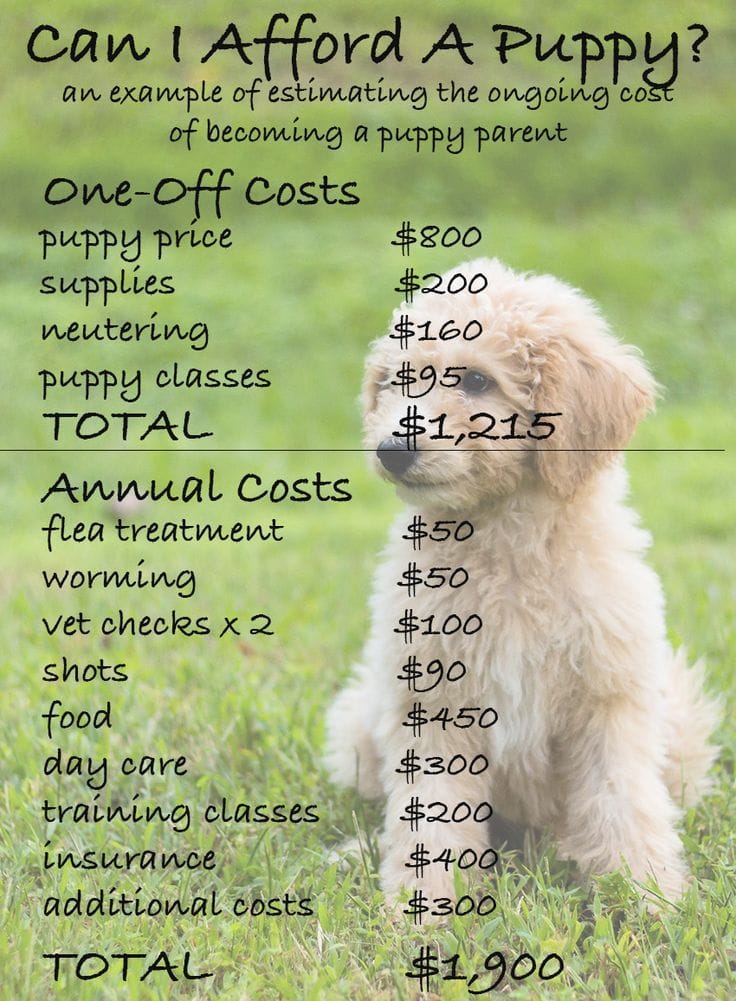
Bringing a new dog into your life is an incredibly rewarding experience, filled with wagging tails, wet-nose nudges, and unconditional love. However, alongside the joy comes responsibility, and one of the most significant aspects of responsible dog ownership is training. But when you start looking into it, a common question pops up: How Much Is To Train A Dog? This isn’t a simple number; the cost can vary wildly based on many factors, from the type of training you need to where you live. Let’s dive into the details to give you a clearer picture of the investment involved in shaping your canine companion into a well-behaved member of the family.
Understanding the price of dog training involves looking at several key components. It’s not just about the hourly rate of a trainer; it’s about the commitment, the methods used, and the specific needs of your dog. Whether you’re dealing with basic obedience for a puppy or tackling more complex behavioral issues, the financial aspect is a crucial consideration for many pet parents.
The Nuances of Dog Training Costs
When considering how much is to train a dog, it’s essential to recognize that “training” isn’t a one-size-fits-all service. The price tag is influenced by:
- Type of Training: Basic obedience, advanced obedience, specialized training (e.g., service dog, therapy dog, protection), and behavior modification all command different price points.
- Trainer’s Experience and Reputation: Highly sought-after trainers with years of experience and proven success rates will naturally charge more than a novice trainer.
- Location: Dog training costs are generally higher in major metropolitan areas with a higher cost of living compared to rural areas.
- Training Format: One-on-one private lessons, group classes, and board-and-train programs have vastly different costs.
- Duration and Frequency: The total cost depends on how many sessions are needed and how long each session lasts.
It’s also important to remember that investing in professional training can save you money in the long run by preventing costly behavioral problems or medical issues that might arise from poorly managed behavior. For instance, understanding how much does service dog training cost for anxiety can illuminate the specialized nature and investment required for specific needs.
Breakdown of Dog Training Costs
Let’s break down the typical costs associated with different dog training options:
1. Group Obedience Classes
These are often the most budget-friendly option and are great for basic socialization and obedience.
- Cost: $100 – $300 for a 6-8 week course.
- What’s Included: Basic commands like sit, stay, come, and leash manners. Good for puppies and dogs with no major behavioral issues.
- Pros: Cost-effective, provides socialization opportunities.
- Cons: Less individual attention, may not address specific problems.
2. Private In-Home Training Sessions
This offers personalized attention tailored to your dog’s specific needs and your schedule.
- Cost: $50 – $150 per hour-long session. Many trainers offer package deals for multiple sessions.
- What’s Included: Customized training plans, addressing specific behavioral issues (e.g., house training, excessive barking, leash pulling), and one-on-one instruction.
- Pros: Highly personalized, convenient, addresses specific concerns effectively.
- Cons: Can be more expensive than group classes, requires commitment from the owner.
If you’re wondering how much should you spend on dog training, consider that private sessions offer significant value for targeted solutions.
3. Board-and-Train Programs
In this immersive approach, your dog stays with a professional trainer for a set period.
- Cost: $500 – $3,000+ per week, depending on the program length and trainer.
- What’s Included: Intensive training covering a wide range of obedience and behavioral issues. Your dog lives and learns with the trainer.
- Pros: Highly effective for significant behavioral modification or for owners with very limited time.
- Cons: Most expensive option, less owner involvement during the training period, requires careful selection of the facility.
When comparing how much do trained dogs cost, a board-and-train program is essentially an investment in that transformation.
4. Specialized Training
This includes training for service dogs, therapy dogs, or advanced trick training.
- Cost: Varies greatly, but can range from $3,000 to $10,000 or more.
- What’s Included: Highly specialized skills tailored to specific tasks or environments. For example, how much does service dog training cost for anxiety can involve extensive desensitization and task-specific training.
- Pros: Equips dogs with critical skills for specific roles.
- Cons: Extremely expensive and time-consuming.
Factors Influencing the Cost
Beyond the training format, several other elements play a role in determining how much is to train a dog:
- Trainer’s Credentials: Certified trainers (e.g., CPDT-KA, KPA CTP) often have higher rates due to their validated knowledge and adherence to ethical standards.
- Your Dog’s Age and Breed: Puppies often require different types of training than adult dogs. Certain breeds may also have predispositions to specific behaviors that require specialized attention.
- Behavioral Issues: Addressing deep-seated issues like aggression, severe anxiety, or reactivity will require more time, expertise, and therefore, cost.
- Training Tools and Equipment: While not always included in the trainer’s fee, you might need to purchase leashes, harnesses, treats, or clickers, adding to the overall expense.
The Cost of Not Training
It’s also worth considering the potential costs of not training your dog. These can include:
- Veterinary Bills: Aggressive behavior can lead to injuries to your dog or others, resulting in medical expenses.
- Property Damage: Destructive chewing, digging, or house-soiling can be costly to repair.
- Training Tools and Remedies: You might spend more on various “quick fix” products that don’t address the root cause of a behavior.
- Legal Fees or Fines: In severe cases of aggression, you could face legal repercussions.
- Rehoming Fees: Unfortunately, unmanageable behavioral issues are a leading cause of dogs being surrendered to shelters.
Making an Informed Decision
When you’re asking how much is to train a dog, remember that you’re investing in your dog’s well-being, your relationship with them, and the harmony of your household. Research local trainers, read reviews, and don’t hesitate to ask about their methods, experience, and pricing structure. A good trainer will be transparent about costs and discuss a training plan tailored to your dog’s needs.
Questions to Ask Potential Trainers:
- What are your training methodologies? (Look for positive reinforcement methods.)
- What are your certifications and experience?
- What is your pricing structure, and what does it include?
- Can you provide references?
- What is your policy on cancellations or reschedules?
Understanding the investment involved is the first step. The right training can transform your dog’s life and yours, making the cost a worthwhile endeavor. The question of how much do trained dogs cost as a purchase is one thing, but investing in training your own dog offers a unique bond and tailored results.
Frequently Asked Questions About Dog Training Costs
Q1: What is the average cost of dog training?
A1: The average cost can range from $100-$300 for group classes to $50-$150 per hour for private sessions, and potentially thousands for specialized or board-and-train programs.
Q2: Is it worth spending money on dog training?
A2: Absolutely. Investing in training leads to a better-behaved dog, a stronger bond, fewer behavioral problems, and potentially avoids much higher costs down the line.
Q3: How long does it take to train a dog?
A3: Basic obedience can take a few weeks to months, while more complex behavioral issues or specialized training can take much longer, often requiring ongoing reinforcement.
Q4: What’s the difference in cost between puppy training and adult dog training?
A4: Puppy training often focuses on socialization and basic commands, which can be more affordable. Adult dog training might address ingrained habits or behavioral issues, potentially increasing the cost.
Q5: Should I choose group classes or private training?
A5: Group classes are good for socialization and basic obedience on a budget. Private training is better for specific behavioral issues or personalized attention.
The Lifelong Journey of Training
Remember, dog training isn’t a one-time event but an ongoing process. As your dog grows and encounters new situations, continued learning and reinforcement are key. By understanding how much is to train a dog, you can budget effectively and make informed choices that set both you and your canine companion up for a lifetime of happiness and companionship.
