
Bringing a new dog into your life is an incredibly rewarding experience, filled with wagging tails, wet-nosed greetings, and endless companionship. However, it also comes with responsibilities, and one of the most crucial is training. Whether you’re dealing with a boisterous puppy or a rescue with a past, professional dog training can be a game-changer. But before you commit, a common question arises: “How Much Is It To Train My Dog?” The cost can vary significantly, influenced by several factors, from the type of training to the trainer’s experience.
Understanding the investment in your dog’s education is key to building a harmonious relationship. This guide will break down the typical costs associated with various dog training programs, helping you budget effectively and choose the best option for your canine companion and your family. We’ll explore the factors that influence pricing and what you can expect to gain from each type of training.
Factors Influencing Dog Training Costs
Several elements contribute to the overall price of dog training. Recognizing these can help you understand why some programs are more expensive than others.
Type of Training Program
The most significant factor affecting cost is the format of the training itself.
- Puppy Socialization Classes: These are typically the most affordable option, focusing on early socialization and basic manners. They are crucial for young dogs to develop into well-adjusted adults.
- Group Obedience Classes: These classes cover fundamental commands like sit, stay, come, and loose-leash walking. They offer a cost-effective way to train your dog in a distracting environment.
- Private In-Home Training: This is generally more expensive than group classes, as it offers personalized attention tailored to your dog’s specific needs and challenges in your own environment. This is ideal for addressing behavioral issues or for owners who prefer one-on-one instruction.
- Board and Train Programs (Doggie Boot Camp): These intensive programs involve your dog living with a trainer for a set period. They are often the most expensive option but can yield rapid results for significant behavioral problems or for owners with very busy schedules.
- Specialty Classes: Training for specific needs, such as agility, scent work, or service dog tasks, often comes with a higher price tag due to the specialized skills and equipment required.
Trainer’s Experience and Reputation
Just like any profession, experienced and highly reputable trainers often command higher fees. This is due to their in-depth knowledge, proven track record, and ability to handle a wider range of behavioral issues effectively. Trainers with certifications from recognized organizations (like the Certification Council for Professional Dog Trainers – CCPDT) or extensive experience with difficult cases may charge more.
Location
Geographic location plays a substantial role in pricing. Training services in major metropolitan areas or regions with a higher cost of living will generally be more expensive than those in smaller towns or rural areas.
Duration and Intensity of Training
The length and frequency of training sessions directly impact the total cost. A six-week obedience course will cost more than a single introductory session. Similarly, a multi-week board and train program will be significantly more expensive than a few private lessons.
Specific Behavioral Issues
Addressing complex behavioral problems like aggression, severe anxiety, or separation distress often requires more specialized knowledge, time, and resources from the trainer. Consequently, these specialized training programs tend to be more costly.
Average Costs for Dog Training Services
Let’s delve into the typical price ranges you can expect for different types of dog training. These figures are averages and can fluctuate based on the factors mentioned above.
Puppy Socialization and Basic Obedience Classes
- Cost: $100 – $300 for a 6-8 week course.
- What to Expect: These classes are designed for puppies typically between 8-16 weeks old and cover essential socialization skills, basic manners (sit, stay, come), and house training advice. They provide a controlled environment for puppies to interact with other dogs and people.
Group Obedience Training
- Cost: $150 – $600 for a 6-8 week course.
- What to Expect: For dogs of all ages, these courses build upon basic commands, focusing on reinforcing obedience in various environments. They are excellent for general manners and strengthening the bond between owner and dog. The price can vary depending on the class size and the trainer’s credentials.
Private In-Home Training Sessions
- Cost: $50 – $150 per hour, with packages often available for multiple sessions (e.g., 5-10 sessions for $400 – $1200).
- What to Expect: This is a highly personalized approach. A trainer comes to your home to work with you and your dog, addressing specific issues like leash reactivity, resource guarding, or general obedience. The flexibility and tailored approach justify the higher per-session cost. Some trainers specializing in complex issues like aggression or severe anxiety may charge even more.
Board and Train Programs
- Cost: $750 – $3,000+ for a 1-4 week program.
- What to Expect: In these immersive programs, your dog stays with the trainer, receiving intensive daily instruction. This is a significant financial commitment but can be highly effective for dogs with persistent behavioral problems or for owners who want to fast-track their dog’s training. The price usually includes training, boarding, and often follow-up sessions.
Specialized Training (Agility, Scent Work, etc.)
- Cost: $200 – $800+ for a multi-week course or series of workshops.
- What to Expect: These classes focus on developing specific skills and talents for sports or specific tasks. They often require specialized equipment and experienced instructors, leading to higher fees than basic obedience.
Is Dog Training Worth the Investment?
While the cost of professional dog training can seem substantial, most owners find it to be an invaluable investment. A well-trained dog is a happier, safer, and more integrated member of the family.
- Improved Behavior: Training reduces the likelihood of destructive behaviors, aggression, and other problematic actions that can strain the owner-dog relationship and potentially lead to difficult decisions.
- Enhanced Safety: A dog that reliably responds to commands like “come” or “leave it” is less likely to get into dangerous situations, protecting both the dog and others. This is particularly true for owners looking into specific types of training, such as washington state service dog training, where precise control is paramount.
- Stronger Bond: The training process itself, especially when done through positive reinforcement methods, strengthens the bond between you and your dog. It builds trust and mutual understanding.
- Peace of Mind: Knowing your dog is well-behaved and can be managed in various situations brings immense peace of mind to owners.
- Reduced Long-Term Costs: Preventing behavioral problems through early training can save significant costs down the line, such as vet bills from accidents, replacing damaged property, or even the cost of rehoming.
Tips for Finding Affordable and Effective Training
- Start Early: Puppy classes are generally more affordable and lay a crucial foundation, potentially preventing more costly behavioral issues later.
- Consider Group Classes: If your dog doesn’t have severe behavioral issues, group classes offer excellent value for money.
- Look for Packages: Many trainers offer discounted rates for booking a series of private lessons in advance, similar to how specialized services might be bundled, like dog training westminster md.
- Research Local Resources: Check for community-based training programs or classes offered by animal shelters or humane societies, which can sometimes be more budget-friendly. Organizations like the dog training club of tampa inc often provide affordable options.
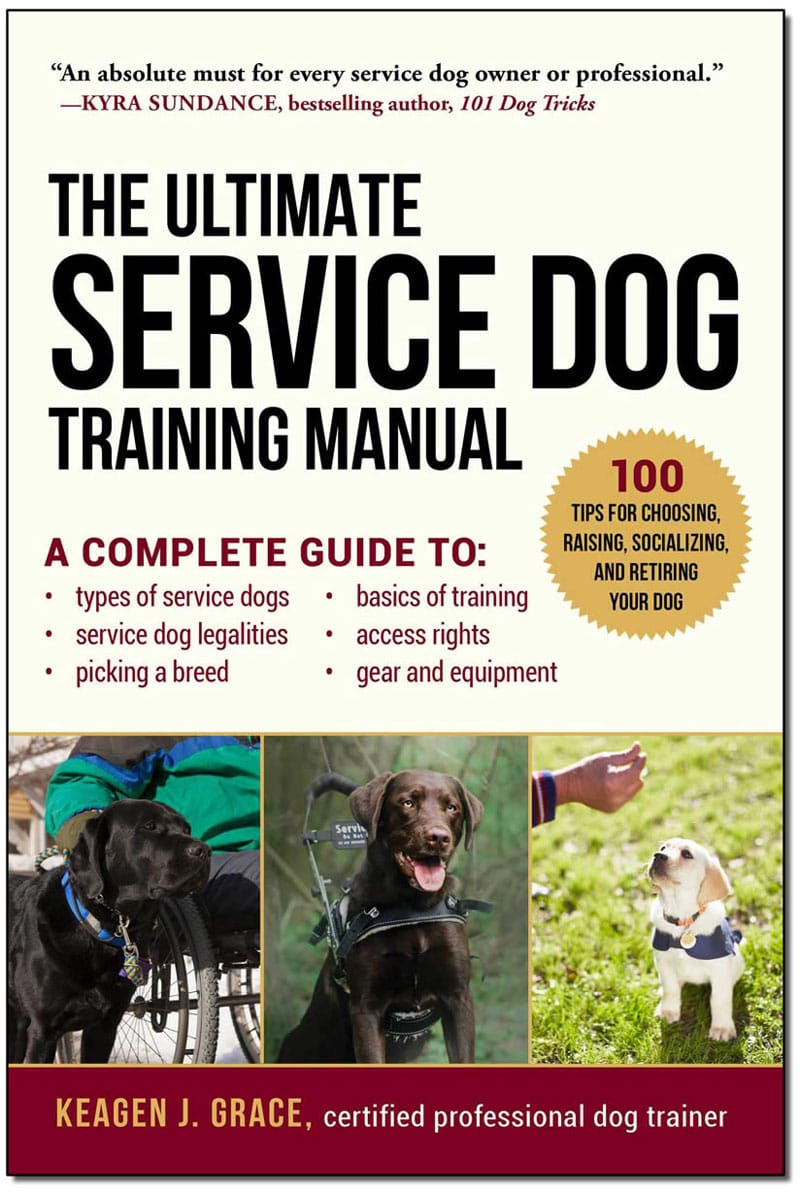
- DIY with Guidance: While professional help is often best, some owners can supplement their training with online resources or books. However, for complex issues, professional guidance, such as that found in dog training sonoma county, is highly recommended.
- Ask About Payment Plans: Some training facilities may offer payment plans to help spread the cost over time.
Frequently Asked Questions About Dog Training Costs
Q1: What is the cheapest way to train my dog?
The most economical way to train your dog is by utilizing free online resources, YouTube tutorials, and books, combined with consistent practice of basic commands. However, for effective socialization and addressing specific behavioral challenges, attending group obedience classes or seeking guidance from a reputable trainer, even for a few sessions, is often more effective and can prevent future problems.
Q2: How much does a professional dog trainer cost per hour?
Professional dog trainer rates typically range from $50 to $150 per hour for private sessions. This can be higher in expensive urban areas or for trainers with specialized expertise.
Q3: Is a board and train program worth the money?
A board and train program can be worth the investment if your dog has significant behavioral issues that require intensive intervention, or if you have a very demanding schedule. For many common obedience issues, less intensive methods like private lessons or group classes may suffice and are considerably less expensive. The effectiveness depends on the specific dog, the problem, and the quality of the training program.
Q4: What’s included in the price of dog training?
This varies greatly. Group classes usually include a set number of training sessions. Private lessons typically cover the trainer’s time and expertise during the session. Board and train programs often include daily training, accommodation, feeding, and sometimes follow-up sessions or support. Always clarify what is included before signing up.
Q5: How often should I train my dog?
For puppies and dogs learning new behaviors, short, frequent training sessions (5-10 minutes, several times a day) are most effective. For maintaining learned behaviors and practicing in different environments, regular, shorter sessions are beneficial. Consistency is more important than duration.
In conclusion, the cost to train your dog is a variable that depends on your needs, your dog’s temperament, and the level of professional help you seek. From affordable group classes that foster essential social skills to intensive board and train programs that tackle complex behavioral issues, there’s an option to fit most budgets and requirements. Investing in your dog’s training is an investment in a lifetime of happy companionship, mutual understanding, and a well-behaved friend. Consider your specific goals and choose the path that best sets you and your canine companion up for success.
