
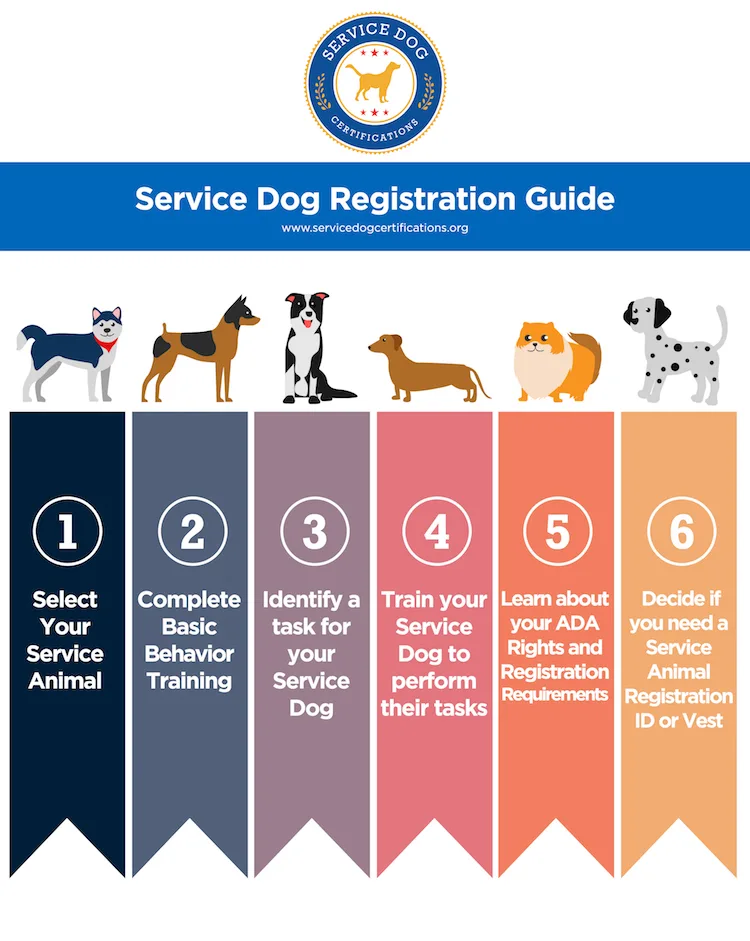
Getting a service dog trained to help manage anxiety is a significant decision, and understanding the associated costs is crucial. While the investment can seem substantial, it’s important to view it as a pathway to improved quality of life, independence, and emotional well-being. The price tag for professional service dog training for anxiety can vary widely, influenced by several factors, including the trainer’s experience, the program’s duration, the dog’s age and breed, and the specific tasks the dog will be trained to perform.
On average, you can expect the cost for comprehensive service dog training for anxiety to range anywhere from $5,000 to $30,000 or even more. This broad spectrum accounts for the intensive nature of training, the individualized approach required for anxiety-specific tasks, and the overall commitment to ensuring a successful partnership between you and your canine companion.
Understanding the Factors Influencing Cost
Several key elements contribute to the overall price of service dog training for anxiety. Recognizing these factors can help you budget effectively and understand what you’re paying for.
Trainer Expertise and Reputation
The experience and reputation of the dog trainer or training facility play a pivotal role in the cost. Highly sought-after trainers with a proven track record of success, particularly in psychiatric service dog training, often command higher fees. This is because their expertise translates into more effective, reliable, and specialized training. A trainer with years of experience and specific certifications in psychiatric service dog work brings a level of knowledge that can be invaluable for addressing the nuances of anxiety-related tasks.
Training Program Length and Intensity
Service dog training is not a one-size-fits-all program. The duration and intensity of the training directly impact the cost. Comprehensive programs designed to instill a wide range of skills, from basic obedience to advanced task training specific to anxiety, naturally require more time and resources. This could involve several months of intensive, full-time training, or a more spread-out program with regular sessions over a longer period. Some programs might also include specialized modules for desensitization to triggers or public access skills, which add to the overall cost.
Dog’s Age, Breed, and Temperament
The characteristics of the dog itself can also influence the training cost. Puppies typically require a longer training period to develop the necessary skills and maturity. Adult dogs may have existing habits that need to be unlearned, or they might already possess some foundational training that can accelerate the process. Certain breeds might be more naturally suited for service work due to their temperament and trainability, potentially leading to a smoother training journey. A thorough temperament evaluation is often part of the initial assessment and can impact the training plan and, consequently, the cost.
Specific Anxiety-Related Tasks
The complexity and number of specific tasks a service dog needs to perform for anxiety will affect the training expense. These tasks can range from providing deep pressure therapy (DPT) during a panic attack, interrupting anxious behaviors like skin picking or repetitive movements, alerting to oncoming anxiety or panic symptoms, to acting as a social buffer in overwhelming situations. Training for these specialized tasks requires a high degree of precision and consistency, often involving extensive generalization to ensure the dog can perform them reliably in various environments.
Additional Services and Support
Many training programs offer additional services that contribute to the overall cost. These might include:
- Temperament testing and health screenings: Ensuring the dog is suitable for service work.
- Public access training: Preparing the dog to behave appropriately in public spaces.
- Behavioral consultations: Addressing any emerging behavioral issues.
- Ongoing support and follow-up sessions: Providing continued guidance and reinforcement.
- Gear and equipment: Leashes, harnesses, vests, and other necessary items.
These added services enhance the value of the training and contribute to a successful partnership.
Types of Service Dog Training for Anxiety
When considering the cost, it’s also helpful to understand the different approaches to training.
Professional Trainer Programs
This is often the most expensive option but generally yields the most reliable results. Professional trainers have the expertise and experience to guide the dog through the rigorous training process. They typically offer structured programs with clear objectives and follow-up support. The cost here reflects the trainer’s time, knowledge, and the resources dedicated to the dog’s development. Some facilities offer fully trained dogs, while others work with your existing dog.
Professional Trainer with Owner Involvement
In this model, you work closely with a professional trainer, either by training your own dog under their guidance or by participating in the training process alongside the dog. This approach can sometimes be more cost-effective than a fully outsourced program, as it leverages your active participation. However, it requires a significant time commitment and the ability to learn and implement training techniques effectively. The cost will depend on the frequency and duration of your sessions with the trainer. For instance, understanding how to become a trainer of service dogs can give you insights into the dedication required.
Owner Training with Professional Guidance
This is the most budget-friendly option, where you undertake the primary responsibility of training your dog, with occasional consultations with a professional trainer. This requires a deep understanding of dog behavior, training principles, and a significant amount of time and patience. While the direct financial outlay might be lower, the success of this method heavily relies on your commitment, consistency, and ability to troubleshoot challenges. The cost here would be for the consultation sessions, which can be very beneficial for course correction and ensuring you’re on the right track, similar to how dog training Goodyear AZ services offer tailored guidance.
The Value of Investing in a Service Dog for Anxiety
While the upfront cost of service dog training for anxiety is considerable, the long-term benefits are often immeasurable. A well-trained service dog can significantly improve an individual’s ability to cope with anxiety, providing a constant source of comfort, support, and grounding. They can help mitigate the debilitating effects of panic attacks, reduce feelings of isolation, and enhance overall independence.
The ability to navigate public spaces with greater confidence, to have a reliable partner through challenging emotional times, and to experience a deeper sense of security are invaluable. Furthermore, for many, a service dog is not just a pet but a vital lifeline. It’s important to research thoroughly and choose a trainer or program that aligns with your needs and budget, ensuring you’re making a wise investment in your well-being. Whether you’re looking into service dog training Savannah or similar programs, the goal is a well-matched, highly trained canine partner. Similarly, understanding options like therapy dog training Raleigh NC can provide context on different levels of specialized canine assistance.
When considering the investment, remember that a well-trained service dog is a partner in managing a challenging condition. The cost reflects the specialized skills, dedication, and ongoing support necessary to ensure a successful and life-changing partnership. It’s an investment in freedom, independence, and a more peaceful life.
