
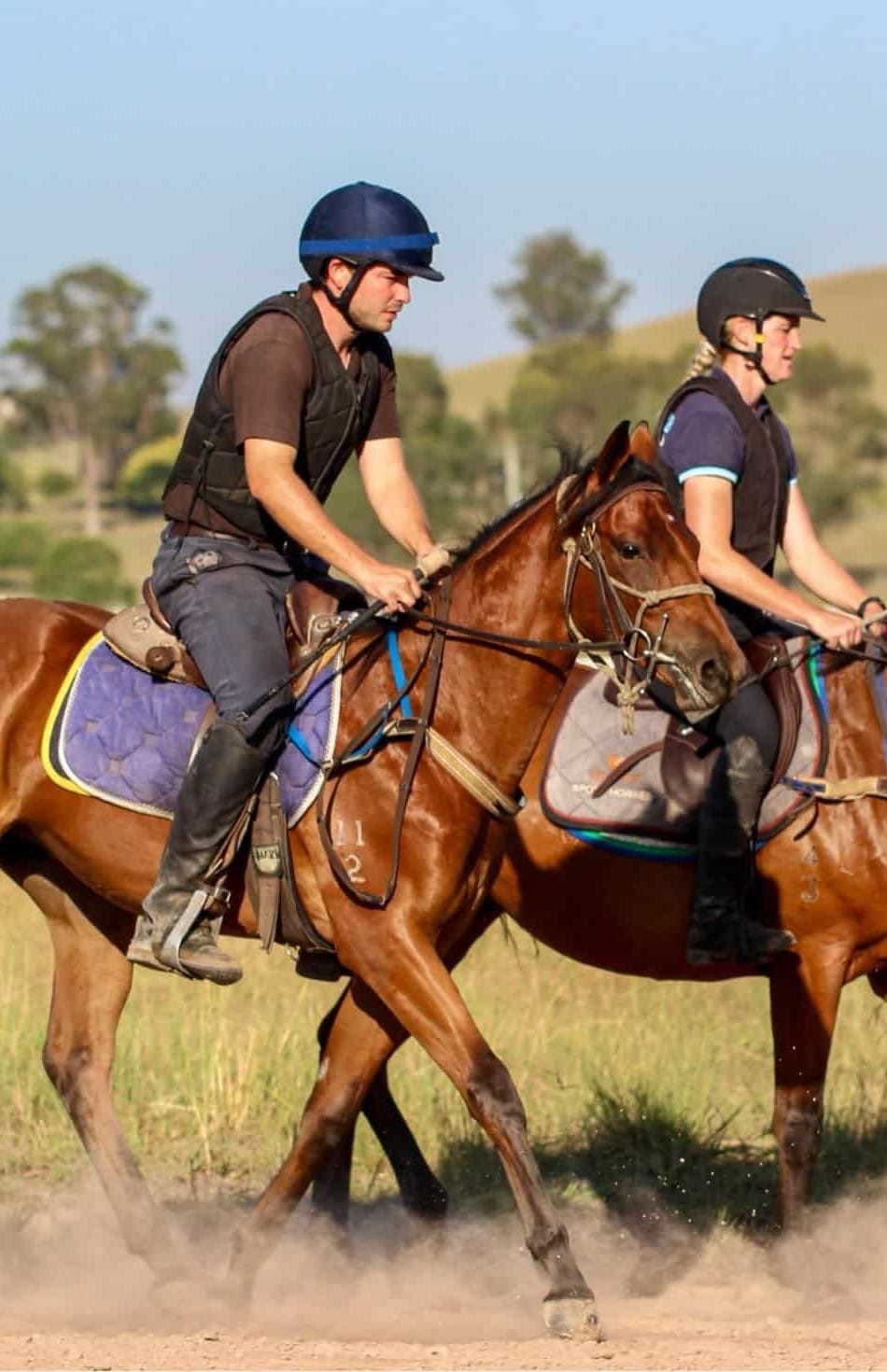
So, you’re captivated by the thunder of hooves, the roar of the crowd, and the sheer athleticism of a racehorse. It’s a thrilling world, but before you dive in, the million-dollar question looms: “How much does a racing horse actually cost?” The truth is, there’s no single answer. The price tag on a racehorse can range from a few thousand dollars for a promising but unproven prospect to millions for a proven champion. It’s a complex equation influenced by a myriad of factors, and understanding these is crucial for any aspiring owner looking to enter the competitive and exciting world of horse racing.
The Genesis of Cost: Bloodlines and Potential
At the heart of a racehorse’s value lies its pedigree. Just like in human athletics, genetics play a significant role.
Sire and Dam Powerhouses
Horses descended from successful racing lineages often command higher prices. Top sires (fathers) and dams (mothers) who have produced a string of winners are highly sought after. Their offspring inherit a perceived genetic advantage, increasing their potential for speed, stamina, and a competitive spirit. A horse from a champion sire might fetch a considerably higher price than one with less distinguished lineage, even if their physical attributes appear similar.
The Promise of the Young Horse
Yearlings (horses between one and two years old) are often sold at auctions. Their prices are heavily influenced by their pedigree and the perceived potential. A yearling out of a famous sire and dam, with excellent conformation (physical structure), could sell for hundreds of thousands, or even millions, of dollars. However, it’s a gamble; this potential may or may not translate into on-track success.
Beyond Pedigree: Conformation, Temperament, and Training
While bloodlines are a major driver, other factors significantly impact a horse’s price.
Conformation Counts
A horse’s physical build – its conformation – is critically important in racing. Soundness, athleticism, and the absence of physical flaws are key. Buyers look for horses with correct leg structure, strong bone, well-balanced bodies, and good lung capacity. A horse with even minor conformational defects might be priced lower due to the increased risk of injury and reduced racing longevity.
Temperament Matters
A racehorse needs not only physical talent but also the right mental attitude. A calm, trainable, and courageous horse is more likely to perform well under pressure. A spooky, nervous, or aggressive horse, regardless of its breeding, can be difficult to train and race, thus lowering its value.
Early Training and Development
Horses that have undergone early professional training, such as “breaking” (initial training to accept a rider) and basic groundwork, often cost more. This demonstrates a head start in their development and reduces the immediate workload for the new owner. The reputation and expertise of the trainer who handled the horse’s early development can also add to its price.
The Proven Performer: Track Record and Earnings
Once a horse has raced, its value is directly tied to its performance.
The Power of a Winning Record
A horse with a proven track record of winning races, especially at higher levels, will command a premium price. Earnings accumulated on the track are a tangible measure of success and significantly boost a horse’s market value. This is especially true for fillies and mares, as successful female runners can also have significant value as broodmares, further increasing their price.
Class and Competition Level
The level at which a horse has competed and won is crucial. Winning races in prestigious stakes or graded races across top racing circuits is far more valuable than winning at lower-level claimers. The “class” of a horse – its ability to compete against the best – is a significant determinant of its price.
Hidden Costs: Training, பராமரிப்பு, and More
It’s vital to remember that the purchase price is just the beginning. Owning a racehorse involves ongoing, significant expenses. Understanding these costs is as important as understanding the initial purchase price.
Training Fees
Professional training is a substantial ongoing cost. Trainers are responsible for conditioning the horse, developing race strategies, and managing race entries. Fees can range from $30,000 to $100,000+ per year, depending on the trainer’s reputation, the horse’s needs, and the training facility.
Veterinarian and Farrier Costs
Regular veterinary check-ups, vaccinations, deworming, and potential emergency care add up. Similarly, a farrier (blacksmith) who specializes in racehorses is needed for regular hoof care, typically every 4-6 weeks. These costs can easily run into thousands of dollars annually.
Boarding and Feed
Horses require high-quality feed, hay, and a safe, clean stable environment. Boarding fees at reputable training facilities often include feed, care, and the training itself, but these are bundled into the overall training costs.
Jockey Fees and Other Expenses
Jockeys are compensated for their rides, and there are also costs associated with race entry fees, transportation to the races, and insurance.
Where Do You Find a Racing Horse?
Several avenues exist for purchasing a racehorse:
Auctions
Major yearling and mixed sales (which include older horses) are held throughout the year by reputable sales companies. These can be exciting but also high-pressure environments.
Private Sales
Horses are often sold privately through trainers, bloodstock agents, or directly from owners. This can sometimes lead to a more personalized buying experience.
Claiming Races
In claiming races, any eligible owner can “claim” a horse running in the race for a set price. This is a way to acquire a racehorse with some experience, but the horse’s past performance might indicate why it’s running in a claimer.
The Spectrum of Costs: Examples
- Budget-Friendly Prospects: You might find a horse with decent breeding but less proven potential for $5,000 – $20,000. These require a keen eye and a good trainer to realize their potential.
- Mid-Range Contenders: Horses with solid pedigrees and some early racing success could range from $50,000 – $250,000. These often represent a good balance of potential and proven ability.
- Blue-Ribbon Champions: Proven stakes winners and highly-touted prospects from top sires can easily cost $500,000 to over $1 million.
Final Thoughts: Is a Racing Horse a Worthwhile Investment?
Investing in a racehorse is not purely financial; it’s often driven by passion. While the thrill of winning and the prestige of ownership are immense, the financial risks are substantial. Thorough research, working with experienced professionals (trainers, bloodstock agents), and having a clear understanding of both the purchase price and the ongoing costs are paramount. The journey of a racehorse is one of dedication, luck, and immense heart, and the cost, while significant, reflects the extraordinary potential and a chance to be part of a sport that is as old as civilization itself.
