
Understanding how long your furry friend can comfortably stay in a crate is essential for maintaining it as a positive and secure space. While dogs often enjoy a den-like environment, it should never feel like unwanted confinement. The ideal crating duration depends heavily on your dog’s age, individual temperament, and the amount of mental and physical stimulation they receive when outside the crate. Finding this balance ensures the crate remains a beneficial tool for both you and your canine companion.
Determining Appropriate Crate Time Based on Age
When considering how long you can crate a dog, age is a primary factor. For puppies, a widely accepted guideline from the Humane Society of Western Montana suggests taking your puppy’s age in months, adding one, and that number represents the maximum hours they should spend in their crate before needing a potty and exercise break. This means a 2-month-old puppy can typically handle about 3 hours, a 3-month-old can manage 4 hours, and so on, up to around 7 or 8 months of age.
Generally, adult dogs should not be crated for periods longer than 8 to 9 hours without a break. Exceeding this limit regularly can lead to negative consequences such as depression, anxiety, and the development of a permanent negative association with their crate. All the hard work you put into positive crate training could be undone if your dog perceives their crate as a punishment rather than a safe haven. If you’re encountering challenges with your dog’s crating habits, exploring solutions for when my dog keeps breaking out of his crate might offer valuable insights.
The Role of Mental and Physical Exercise
If you anticipate needing to crate your dog for longer durations on a regular basis, providing adequate stimulation is crucial. Engaging your dog both physically and mentally helps them expend excess energy, allowing them to settle comfortably in their crate for extended periods. A well-exercised dog is a content dog, more likely to view crate time as a period of calm rest.
Some effective ways to provide mental and physical stimulation before or after long crate stays include:
- Puzzle Toys: These toys require your dog to work for their treats, engaging their mind and nose. Smaller, crate-friendly puzzle toys can be an excellent option for mental engagement even if you have limited time for a long walk before crating your dog for work.
- A Good Walk: A stimulating walk provides full-body exercise, allows your dog to use their senses to explore their surroundings, and helps them release pent-up energy. Upon returning home, they are often ready for a restful period in their crate.
- Interactive Play: On days with bad weather or a tight schedule, interactive play like a game of tug, fetch in the backyard, or a training session with rewards can effectively engage your dog. This kind of play provides the necessary stimulation to prepare them for quiet time. Knowing how do you teach a dog stay can also enhance interactive play sessions by building focus and obedience.
 A happy Golden Retriever puppy relaxing comfortably inside a wire crate with a soft blanket.
Beyond structured play, consistent training is key to ensuring your dog understands boundaries and commands. Whether you’re working on basic obedience or addressing specific behaviors like how to teach your dog to stay off the couch, these efforts contribute to a well-adjusted dog who is more likely to accept crate time positively.
How Personality Influences Crate Time
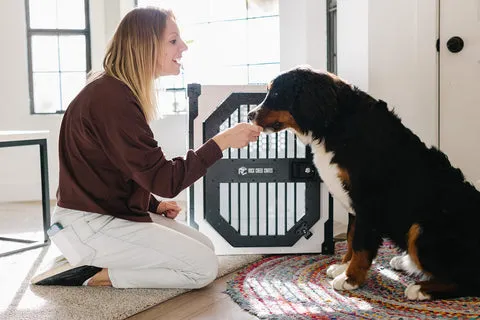
While 8 to 9 hours is often cited as the maximum for adult dogs, individual personality plays a significant role in how long a dog can stay in a crate. Not all dogs will conform to a universal standard. For example, “lazier” dog breeds like a Bulldog or a Bernese Mountain Dog might be perfectly content spending a 9-hour workday in their crate, especially if provided with potty and exercise breaks. These breeds often have lower energy levels and a greater propensity for napping.
In contrast, higher energy breeds such as a Border Collie or a Belgian Malinois typically require more frequent stimulation and may prefer shorter crate stays. Their inherent drive and need for activity mean they might become restless or anxious if confined for too long. For these dogs, incorporating training techniques like teaching a dog to stay off furniture or focusing on how to train your dog to stay with you can help reinforce self-control and build a foundation for calmer behavior, even during periods of confinement. The unique personality and energy level of your dog will ultimately dictate their personal limits for crate duration.
 A dog calmly resting inside a well-maintained dog crate, appearing relaxed and content.
Providing the Right Environment for Crate Success
Regardless of whether your dog is crated for a short two-hour errand or a full workday, ensuring they have the right crate is paramount. A properly sized and comfortable crate, combined with patient and consistent crate training, offers your dog a sense of safety, comfort, and security. This positive association is key to preventing negative behaviors and stress. By understanding your dog’s needs and adhering to appropriate crating guidelines, you can ensure their crate remains a cherished personal den rather than a place of distress.
