
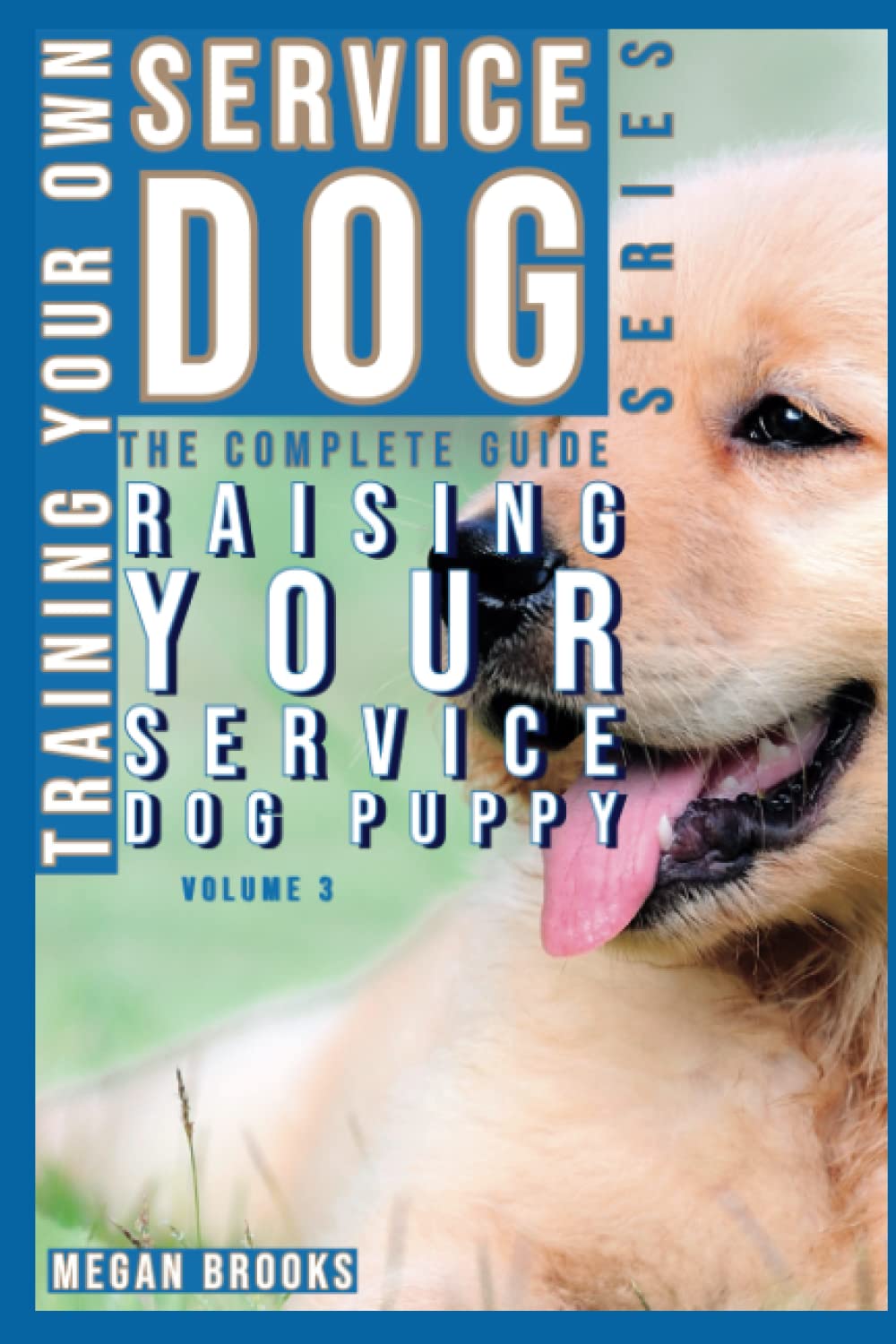
Service dogs undergo rigorous and extensive training to provide invaluable assistance to individuals with disabilities. The duration of this training is not a one-size-fits-all answer, as it depends on several factors, including the specific tasks the dog must learn, the individual dog’s learning aptitude, and the training program’s intensity. However, a general timeframe can be established to give prospective owners and the general public a clearer understanding. On average, service dog training can last anywhere from six months to two years. This lengthy process is crucial for ensuring the dog is a reliable and capable partner.
Understanding the Service Dog Training Timeline
The journey of a service dog begins long before they are matched with a handler. It’s a phased approach, meticulously designed to build a strong foundation and then specialize the dog’s skills.
Foundational Training (3-6 Months)
This initial phase is critical and focuses on establishing obedience, socialization, and basic manners. Puppies and young dogs are exposed to a wide variety of environments, sights, sounds, and social situations to build their confidence and adaptability. Key components of this stage include:
- Basic Obedience: Mastering commands such as sit, stay, come, down, and heel. This ensures the dog is responsive and under control in any situation.
- Socialization: Gradual and positive exposure to different people, animals, public places (like stores, restaurants, and public transport), and potential distractions. This helps prevent fear or reactivity later on.
- House Training and Manners: Ensuring the dog is reliably house-trained and exhibits good manners, such as not jumping on people or excessive barking.
This foundational period is essential for all dogs, but for service dogs, it’s about building a bomb-proof temperament and a solid understanding of human interaction and public etiquette. This phase often occurs with volunteer foster families who are trained to provide consistent socialization and basic training.
Advanced Task Training (6-18 Months)
Once the dog has a solid foundation, they move into specialized task training. This is where the service dog learns the specific actions that will assist their handler with their disability. The complexity and number of tasks directly influence the duration of this phase. Examples of tasks include:
- Mobility Assistance: Dogs trained to help individuals with physical disabilities may learn to retrieve dropped items, brace their handler, or open doors.
- Medical Alert: Dogs can be trained to detect subtle changes in a person’s body chemistry that precede medical episodes, such as seizures, diabetic fluctuations (hypoglycemia or hyperglycemia), or oncoming allergic reactions. This training involves scent discrimination and alerting behaviors.
- Psychiatric Support: These dogs assist individuals with mental health conditions by providing comfort, interrupting repetitive or self-harming behaviors, acting as a buffer in public, or guiding their handler through panic attacks. This can involve deep pressure therapy or simply a calming presence.
- Hearing Assistance: Dogs alert their handlers to important sounds like doorbells, fire alarms, or a baby’s cry.
- Visual Assistance: Guide dogs are trained to navigate obstacles, avoid hazards, and guide their handler safely through various environments.
This phase requires highly skilled trainers and a deep understanding of canine behavior and the specific needs of the handler’s disability. Trainers work with each dog individually, using positive reinforcement techniques to shape the desired behaviors. The dog must not only learn the task but also perform it reliably on cue and in distracting environments.
Public Access and Team Training (1-3 Months)
The final stage involves ensuring the dog can perform its tasks reliably in public settings and that the handler and dog form a cohesive team. This is often referred to as “public access training.”
- Public Access Skills: The dog must maintain perfect manners and focus on its handler in busy, noisy, and unpredictable public environments. This includes remaining calm, not soliciting attention from the public, and obeying commands even with numerous distractions.
- Handler-Dog Team Training: This crucial phase involves the handler working directly with the dog under the guidance of a professional trainer. The handler learns how to cue the dog, read its behavior, and maintain the skills the dog has acquired. This ensures a strong bond and effective communication between the dog and its handler.
This intensive period is critical for a successful placement. It ensures that both the dog and the handler are prepared for the realities of working together in daily life.
Factors Influencing Training Duration
While the general timeline provides a framework, several variables can affect how long a service dog is trained:
- Complexity of Tasks: Dogs trained for highly specialized or multiple tasks will naturally require more training time. For example, a dog trained to detect multiple allergens will take longer than a dog trained for simple mobility support.
- Dog’s Age and Background: While many service dogs are raised from puppies, some programs train adult dogs. Adult dogs may have pre-existing behaviors or require more time to adjust to a structured training environment. A dog’s natural aptitude and previous experiences play a significant role.
- Training Methodology: Different organizations use varying training methods and curricula. Programs that emphasize positive reinforcement and allow more time for the dog to learn at its own pace may have longer overall training periods but often result in more stable and well-adjusted dogs.
- Handler’s Needs: The specific requirements of the handler’s disability dictate the tasks the dog must learn. Some disabilities may require more complex interventions than others.
- Organization Standards: Each accredited service dog organization has its own standards and graduation criteria, which can influence the length of their training programs.
Why Such Extensive Training?
The extensive training is not arbitrary; it’s a necessity for the safety and efficacy of the service dog partnership.
- Reliability: Service dogs must be absolutely reliable. A lapse in training or attention could have serious consequences for the handler. Whether it’s alerting to a medical crisis or navigating a busy street, the dog’s response must be immediate and correct.
- Public Access Rights: In many countries, including the United States under the Americans with Disabilities Act (ADA), service dogs are granted public access rights. This means they are allowed in places where pets are typically prohibited. To maintain these rights and ensure public safety and acceptance, the dogs must exhibit impeccable behavior and be under the handler’s control at all times.
- Bonding and Trust: The training process, especially the team training, fosters a deep bond and mutual trust between the dog and handler. This relationship is the cornerstone of a successful service dog partnership.
The Role of Organizations and Trainers
Accredited service dog organizations play a pivotal role in ensuring dogs are adequately trained. These organizations often have:
- Screening Processes: Rigorous evaluation of potential breeding dogs for temperament and health.
- Professional Trainers: Experienced individuals who understand canine behavior and specialized task training.
- Standardized Curricula: Structured training programs that cover all necessary aspects of service dog work.
- Handler Training: Comprehensive education for handlers on how to work with and care for their service dog.
While some individuals train their own service dogs, it is a challenging and time-consuming endeavor that requires significant expertise. Many opt to work with or adopt from established organizations to ensure the highest standards of training.
In conclusion, the training for a service dog is a significant commitment of time and resources, typically ranging from six months to two years. This extensive period is essential for developing a highly skilled, reliable, and well-behaved canine partner capable of providing life-changing assistance to individuals with disabilities. The investment in thorough training ensures the safety, efficacy, and success of the human-animal team.
