
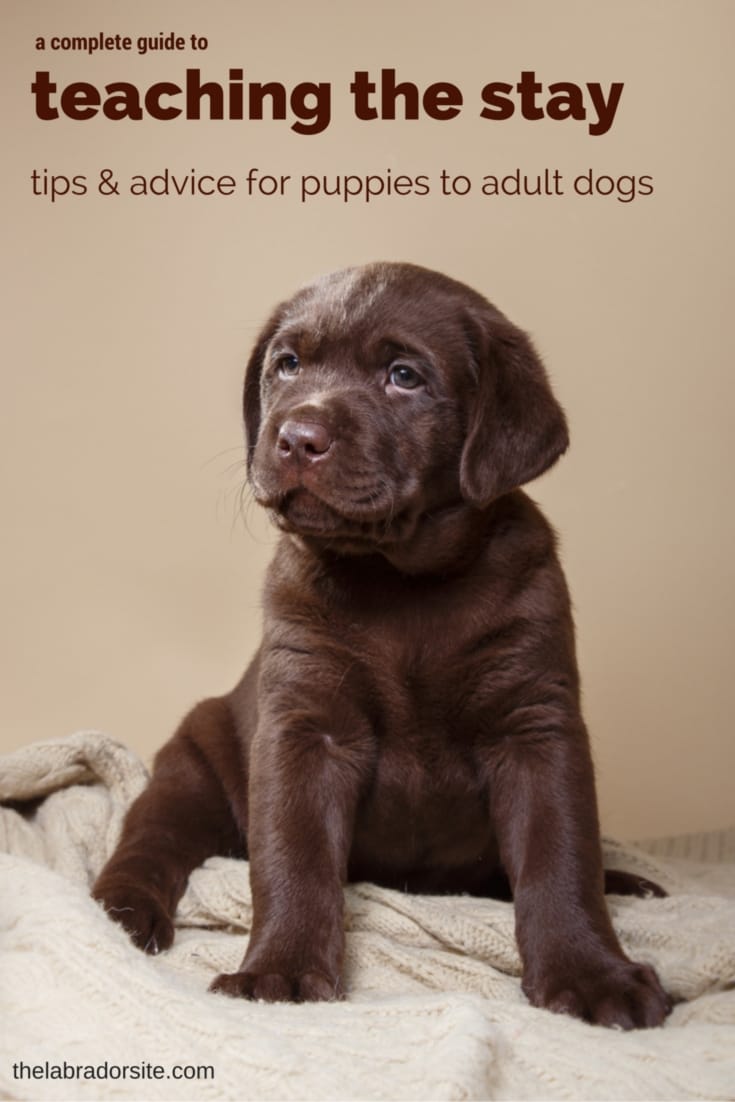
The “stay” command is more than just a neat party trick; it’s a fundamental skill that enhances your dog’s safety and strengthens the bond you share. When you ask, “How Do You Train A Dog To Stay?” you’re really asking how to build a foundation of trust and impulse control. It’s a powerful tool for managing your dog in countless situations, from preventing them from dashing out an open door to keeping them calm when guests arrive. This guide will walk you through the entire process, turning what seems like a daunting task into a series of simple, rewarding steps for both you and your furry companion.
Teaching “stay” isn’t about dominance; it’s about clear communication. It’s a partnership where your dog learns to trust that you will let them know when it’s okay to move. With patience, positive reinforcement, and a handful of tasty treats, you can teach your dog a rock-solid stay that will last a lifetime. This journey of learning together will not only result in a well-behaved pup but will also deepen your understanding of each other. A great starting point is ensuring your pup has mastered the basics, which you can read about in our guide on how to train your dog to sit and stay.
Before You Begin: The Foundations of “Stay”
Before you jump into the training itself, a little preparation goes a long way. Setting the stage for success ensures the process is smooth, positive, and effective. Think of this as gathering your ingredients before you start cooking; it makes everything easier.
What You’ll Need
- High-Value Treats: These should be small, soft, and extra delicious—something your dog truly loves and doesn’t get all the time. Think tiny pieces of chicken, cheese, or special training treats.
- A Quiet Space: Choose a location with minimal distractions, like a quiet room in your house. Avoid areas with lots of foot traffic, windows with exciting views, or other pets around.
- Patience: This is your most important tool. Every dog learns at a different pace. Celebrate small victories and don’t get discouraged by setbacks.
The Importance of a Release Word
A release word, or cue, is a crucial part of teaching the stay command. This word signals to your dog that the “stay” is over and they are free to move. Without it, the “stay” has no clear endpoint, which can be confusing and frustrating for your dog.
Common release words include:
- “Okay!”
- “Free!”
- “Release!”
- “All done!”
Choose one word and stick with it. It should be said in an upbeat, cheerful tone that signals fun and freedom. The release word is just as important as the “stay” command itself.
Prerequisites: A Solid “Sit” or “Down”
Your dog should have a reliable “sit” or “down” command before you begin working on “stay.” The “stay” is essentially an extension of these positions. If your dog can’t hold a sit for even a few seconds, asking them to stay will be an uphill battle. Spend some time reinforcing these basic commands until your dog responds quickly and confidently.
How to Train a Dog to Stay: The Step-by-Step Method
This training is built on a principle known as “The Three D’s”: Duration, Distance, and Distractions. You must master them in that order, building on each success. Never increase more than one “D” at a time. For example, don’t add distance and duration simultaneously.
Step 1: Introduce the Concept (Duration)
The first step is to teach your dog that “stay” means “remain in this position until I release you.” At this stage, you won’t be moving away from them at all.
- Ask for a “Sit”: Command your dog to sit.
- Give the Hand Signal: Hold your hand up, palm facing your dog, like a “stop” signal.
- Say the Cue: In a calm, firm voice, say “Stay.”
- Wait One Second: Count “one-one-thousand” in your head.
- Reward and Release: Before your dog has a chance to move, give them a treat and say your release word (“Okay!”) in a happy tone. If they get up before you release them, simply ask for a “sit” and try again for a shorter duration.
- Repeat: Practice this in short, 3-5 minute sessions a few times a day.
Step 2: Gradually Increase the Duration
Once your dog understands the initial concept, you can slowly start asking them to hold the stay for longer.
- Follow the Same Steps: Ask for a sit, give the hand signal, and say “Stay.”
- Increase Time: This time, wait 2-3 seconds before rewarding and releasing.
- Vary the Time: Don’t always make it longer. Sometimes ask for 3 seconds, then 1 second, then 5 seconds. This unpredictability keeps your dog engaged.
- Work Up Slowly: Gradually build up the duration to 10 seconds, then 20, then 30, always rewarding for success. If your dog breaks the stay, you’ve gone too fast. Go back to a shorter duration where they were successful and build up again.
Step 3: Introduce Distance
Only after your dog can reliably hold a stay for at least 30 seconds should you begin to add distance. The key here is to return to your dog to give the reward. This teaches them that the reward comes when they remain in their spot, not when they come to you.
- Start Close: Ask for a stay.
- Take One Step Back: Just a single, small step.
- Step Forward and Reward: Immediately step back to your dog, give them a treat, and then use your release word.
- Increase Slowly: Gradually increase the distance, one step at a time. Move from one step to two, then across the room.
- Practice Returning: Always, always walk back to your dog to reward them. If you call them to you for the reward, you are teaching them to break the stay. The principles of creating distance and trust here are somewhat similar to when you how can i train my dog to stay home alone, as both require building confidence.
Step 4: Add Distractions
This is the final and most challenging step. “Proofing” the stay command means teaching your dog to hold it even when interesting things are happening. Start small and work your way up.
- Low-Level Distractions: Ask for a stay while standing close. Then, try one of these:
- Squeak a toy once.
- Take a step to the side instead of backward.
- Cough or clear your throat.
- Reward and release for success.
- Medium-Level Distractions: As your dog gets better, increase the challenge:
- Bounce a ball.
- Have another person walk slowly through the room.
- Briefly walk out of sight (the “hidden stay”).
- High-Level Distractions: This is the ultimate test, which can be extended to outdoor spaces. The goal is to train dog to stay in yard or in a park.
- Practice in a quiet area of your yard.
- Have someone walk by with another dog at a distance.
- Toss a low-value toy a few feet away.
Troubleshooting Common “Stay” Problems
Even with the best plan, you might run into some bumps in the road. Here’s how to handle common issues.
“Training a ‘stay’ is a dialogue,” states Dr. Eleanor Vance, a certified canine behaviorist. “When a dog breaks the command, they’re not being disobedient; they’re communicating that the request was too difficult. Your job is to listen and make the next request easier to build their confidence.”
“My dog breaks the stay immediately.”
This is a clear sign you’re asking for too much, too soon. Go back a step. If you’re trying to add distance, go back to only duration. If you’re working on duration, reduce the time to just one second. Success is key. End every session on a positive note, even if it means asking for a very simple, one-second stay.
“My dog gets up as I return to them.”
This is very common! Dogs often get excited, anticipating the reward. The solution is to slow down and break down the “return” process. Take one step toward them and stop. If they stay, reward them. Repeat this until you can walk all the way back to them without them moving. Also, make sure your body language is calm and not overly exciting as you approach.
“My dog is too hyper and won’t focus.”
A tired dog is a trainable dog. Before a training session, make sure your dog has had a chance to burn off some excess energy. A brisk walk, a game of fetch, or a quick play session can make a world of difference in their ability to focus. Keep the training sessions short—5 minutes is plenty for a dog with high energy.
Expert Tips for a Rock-Solid Stay
- Keep it Positive: Never scold your dog for breaking a stay. This can create anxiety and a negative association with training. Simply reset them and try an easier version of the command.
- End on a High Note: Always finish your training session with a successful repetition that earns your dog a big reward or “jackpot.” This leaves them feeling confident and eager for the next session.
- Vary the Reward: Don’t just give a treat. Sometimes the reward can be praise, a favorite toy, or starting a fun game.
- Generalize the Behavior: Once your dog has mastered “stay” in a quiet room, start practicing in other parts of the house, in the backyard, and eventually in quiet public spaces. Each new environment adds a layer of distraction.
Frequently Asked Questions
How long should our training sessions be?
Keep them short and sweet. For puppies and beginner dogs, 3-5 minutes is ideal. Multiple short sessions throughout the day are far more effective than one long, grueling session that leads to frustration.
What if my dog isn’t motivated by treats?
Find what does motivate them! Some dogs will work harder for a chance to play with a specific toy, while others are highly motivated by praise and affection. Use whatever your dog finds most rewarding.
Can I teach an old dog to stay?
Absolutely! The saying “you can’t teach an old dog new tricks” is a myth. Senior dogs are perfectly capable of learning new commands. You may need to have a bit more patience, but the process is exactly the same.
Why is the hand signal important?
Dogs often respond better to visual cues than verbal ones. The hand signal gives them a clear, consistent visual to associate with the command. Eventually, you may be able to get a solid stay with just the hand signal from across a room.
Should I repeat the word “Stay”?
No, avoid repeating the command. “Stay… stay… staaaaay” just becomes background noise. Say the word once, clearly and firmly. If they break the command, they didn’t understand, so you should reset and try an easier version rather than repeating the word.
The Journey to a Perfect “Stay”
Teaching your dog to stay is an exercise in patience, communication, and mutual respect. By breaking it down into the manageable steps of duration, distance, and distractions, you set your dog up for success. Remember to celebrate the small victories, keep your energy positive, and always end on a good note. When you finally master this command, you’ll have more than just an obedient dog; you’ll have a safer, more confident companion and a stronger bond built on trust and clear communication. Understanding how do you train a dog to stay is a cornerstone of responsible and joyful dog ownership.
