
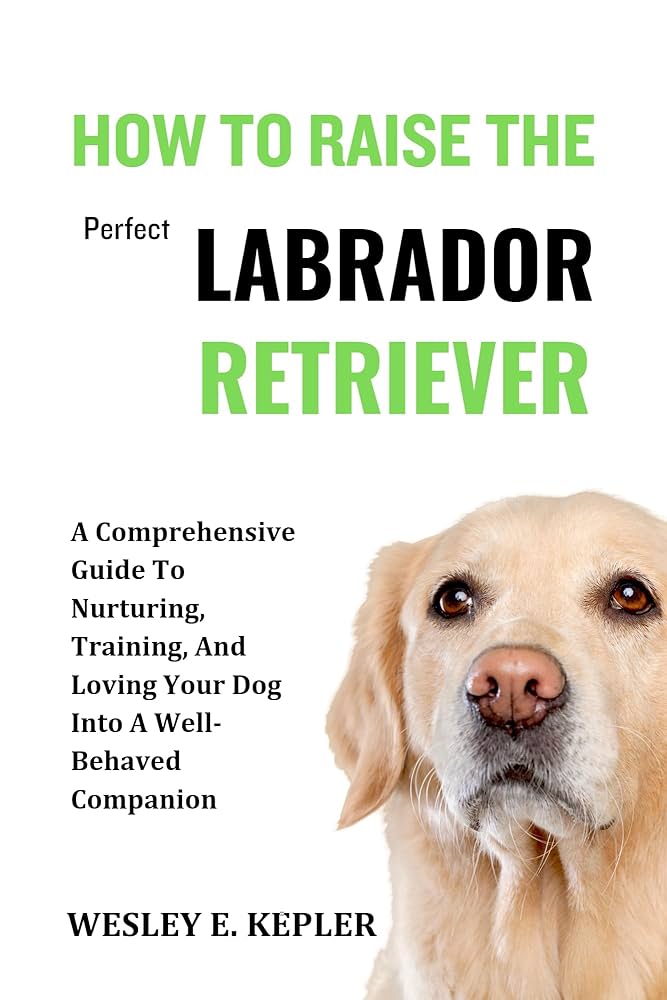
Bringing a dog into your life is an incredibly rewarding experience, filled with wagging tails, wet-nosed greetings, and unconditional love. However, it also comes with the responsibility of ensuring your canine companion is well-behaved and a joy to be around. Training is the cornerstone of this, building a strong bond between you and your dog while setting clear expectations. Whether you’re a first-time owner or looking to refine your dog’s manners, understanding effective training techniques is crucial. This guide will walk you through the essentials of how to train a dog, from basic obedience to addressing common behavioral challenges, ensuring a harmonious life together.
Understanding the Fundamentals of Dog Training
Before diving into specific commands, it’s important to grasp the core principles that make dog training successful. Dogs learn through association, repetition, and positive reinforcement. This means rewarding desired behaviors immediately and consistently, making them more likely to repeat them. Punishment-based methods, on the other hand, can lead to fear, anxiety, and aggression, damaging the trust between you and your dog.
The Power of Positive Reinforcement
Positive reinforcement is all about rewarding your dog for doing something right. This can come in the form of treats, praise, toys, or even just a gentle pat. The key is to make the reward highly desirable for your dog and deliver it immediately after the desired behavior occurs. This helps your dog understand what you want them to do.
Consistency is Key
Whatever training method you choose, consistency is paramount. Everyone in the household needs to be on the same page, using the same commands and rewarding the same behaviors. Inconsistency confuses your dog and slows down the learning process.
Keep Training Sessions Short and Fun
Dogs, especially puppies, have short attention spans. Aim for short, frequent training sessions rather than long, drawn-out ones. Five to ten minutes several times a day is far more effective than one long session. Keep it light, fun, and engaging to maintain your dog’s enthusiasm.
Patience and Understanding
Every dog learns at their own pace. Some pick up commands quickly, while others may need more time and repetition. It’s essential to remain patient and avoid getting frustrated. Remember, training is a journey, not a race.
Essential Dog Training Commands
Once you understand the principles, you can start teaching basic commands. These form the foundation of good canine manners and are vital for safety and control.
1. Sit
This is often the first command dogs learn.
- How to teach:
- Hold a treat near your dog’s nose.
- Move the treat up and slightly back over their head. As their nose follows the treat, their rear end should naturally lower to the ground.
- The moment their rear touches the ground, say “Sit” and give them the treat and praise.
- Repeat this several times. Once they understand the motion, start saying “Sit” just before you lure them.
2. Stay
This command teaches your dog impulse control and patience.
- How to teach:
- Ask your dog to “Sit” or “Down.”
- Hold your hand up in a “stop” signal and say “Stay.”
- Take one step back. If your dog remains in place, return, reward, and release them with a release word like “Okay” or “Free.”
- Gradually increase the distance and duration you ask them to stay. If they move, gently guide them back to their original spot and try again, shortening the distance.
3. Come (Recall)
A reliable recall is arguably the most important command for your dog’s safety.
- How to teach:
- Start in a quiet, enclosed area.
- Get down on your dog’s level, excitedly say their name followed by “Come!”
- When they run to you, reward them with enthusiastic praise and a high-value treat.
- Practice this often, gradually increasing distractions and distance. Never punish your dog if they eventually come to you after a delay; always reward them for coming. To understand more about how do you train a dog to come to you, explore specialized techniques.
4. Down
This command is a more relaxed position and can help calm your dog.
- How to teach:
- Ask your dog to “Sit.”
- Hold a treat near their nose and slowly lower it to the ground between their paws, then slide it slightly away from them.
- As they follow the treat, they should lie down.
- The moment they are in a down position, say “Down” and give them the treat and praise.
Addressing Common Behavioral Issues
Training isn’t just about teaching commands; it’s also about managing and modifying unwanted behaviors.
House Training
This requires patience and consistency.
- Key strategies:
- Frequent Potty Breaks: Take your puppy out first thing in the morning, last thing at night, after waking from naps, after playing, and after eating.
- Designated Potty Spot: Take your dog to the same spot each time.
- Positive Reinforcement: Praise and reward your dog immediately when they eliminate outside.
- Supervision: Keep a close eye on your dog indoors to catch them before an accident happens.
- Clean Accidents Thoroughly: Use an enzymatic cleaner to eliminate odors that might attract your dog back to the same spot.
Barking
Excessive barking can be disruptive. Identify the trigger:
- Alert Barking: Teach a “Quiet” command. When they bark, let them bark once or twice, then say “Quiet” and hold a treat. When they pause to sniff the treat, reward them.
- Boredom Barking: Ensure your dog is getting enough physical and mental stimulation. Interactive toys and how do you train a dog not to jump up on people can redirect energy.
- Attention Seeking: Ignore the barking and only give attention when they are quiet.
Chewing
Chewing is a natural behavior for dogs, especially puppies. Provide appropriate outlets.
- Provide Chew Toys: Offer a variety of safe and engaging chew toys.
- Puppy-Proof Your Home: Remove tempting items like shoes and electrical cords.
- Redirect: If you catch your dog chewing something inappropriate, interrupt them with a sound and immediately redirect them to an appropriate chew toy.
Leash Pulling
A dog that pulls on the leash can make walks unpleasant.
- How to teach:
- When your dog pulls, stop walking. Only resume when the leash slackens.
- Reward your dog with a treat and praise when they walk nicely by your side with a loose leash.
- Consider using a front-clip harness or head halter for better control during training. Learning how do you train a dog to walk off leash is an advanced skill that requires a very strong recall and should only be practiced in safe, enclosed areas.
Advanced Training and Socialization
Once your dog has mastered the basics, you can explore more advanced training or focus on socialization.
Socialization
Proper socialization, especially during puppyhood (up to 16 weeks), is critical for developing a well-adjusted dog. Expose your puppy to a variety of sights, sounds, people, and other well-behaved dogs in a positive and controlled manner. This helps prevent fear and aggression later in life.
Trick Training
Teaching tricks is a fun way to strengthen your bond and provide mental stimulation. Commands like “shake,” “roll over,” or “play dead” are not only entertaining but also build on basic obedience skills.
Specialized Training
Depending on your lifestyle and your dog’s breed, you might consider specialized training such as agility, scent work, therapy dog training, or obedience classes like those offered at dog training billings mt or houston obedience dog training.
The Role of Nutrition and Health in Training
A healthy dog is a trainable dog. Ensure your dog is on a balanced diet appropriate for their age, breed, and activity level. Regular veterinary check-ups are essential to rule out any underlying health issues that might affect behavior or learning capacity.
Conclusion: Building a Lifelong Partnership
Training your dog is an ongoing process that requires dedication, patience, and a positive attitude. It’s about more than just teaching commands; it’s about building a clear line of communication, fostering trust, and creating a deep, lifelong partnership. By implementing these training principles and techniques, you’re well on your way to enjoying the companionship of a happy, well-behaved dog. Remember, every step you take in training is an investment in a richer, more fulfilling relationship with your furry best friend.
