
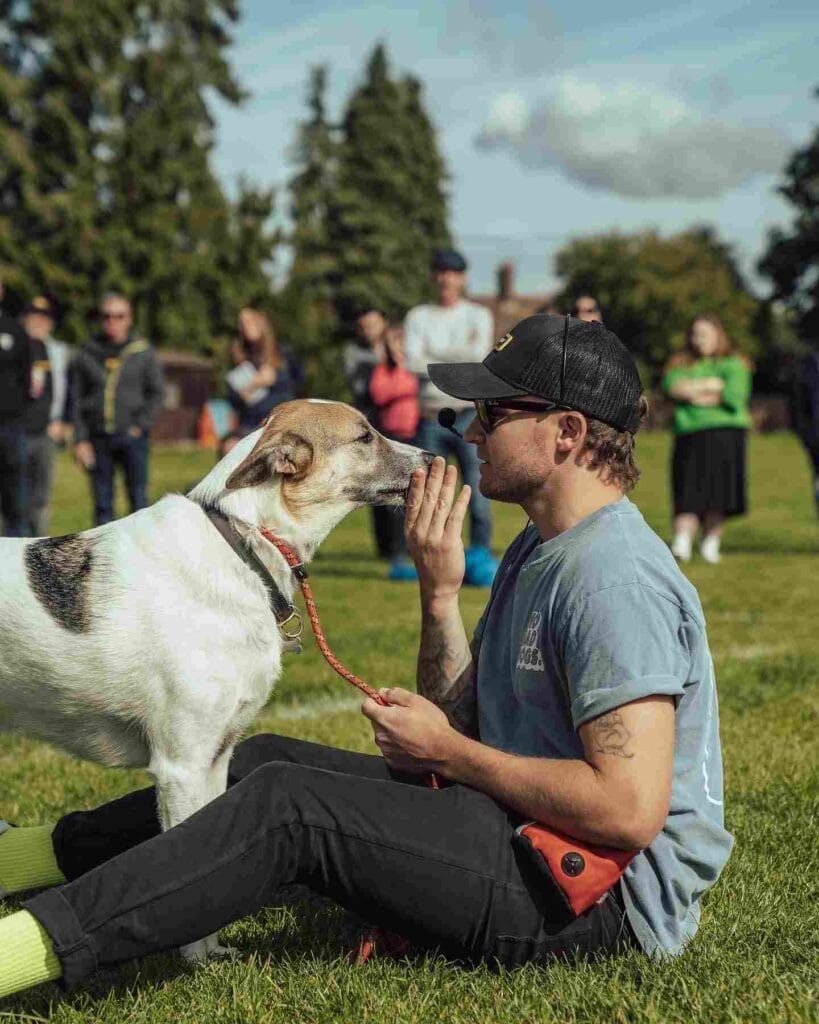
Teaching your dog to reliably come when called is one of the most fundamental yet challenging aspects of dog training. While the basic concept of calling your dog and rewarding them seems straightforward, many owners struggle with maintaining a strong recall response, especially in distracting environments. This guide delves into the intricacies of recall training, offering practical strategies to ensure your dog’s “come” command is always obeyed.
The Foundation of a Reliable Recall
The core principle of recall training is to establish a strong association between the command and a positive outcome, making it an automatic response for your dog. This involves consistent practice and careful management of distractions. The golden rule is to never utter the command “come” unless you can enforce it. This ensures your dog understands that responding to the call is not optional.
Consistent Practice: Building the Habit
Recall training is built on repetition and gradually increasing difficulty.
- Start at home: Begin in a low-distraction environment with your dog on a leash. Practice the “come” command consistently until your dog responds reliably.
- Increase distractions: Once your dog masters the recall at home, move to areas with more distractions, such as your neighborhood. If necessary, revert to using a leash to maintain control and ensure success.
- Long lines for progression: When your dog shows consistent improvement in neighborhood settings, introduce a long training leash (or clothesline) in more open spaces like parks. This allows for greater freedom while still providing a means to enforce the command if needed. The key is to gradually increase the level of distraction, always ensuring your dog’s success by managing the situation with a leash or long line as you progress.
Short, frequent training sessions, even just 10-15 recalls per day, can significantly improve your dog’s responsiveness.
Reinforcing Positive Associations
Ensure that exceptionally positive experiences occur when your dog responds to your recall. This includes enthusiastic praise, high-value treats, or a favorite toy. Crucially, after the reward, encourage your dog to return to their previous activity. This teaches them that coming to you doesn’t signal the end of their fun, but rather a brief, rewarding interruption.
Preventing the “Recall Dance”
A common frustration for dog owners is when their dog approaches but stays just out of reach, engaging in a playful “dance.” To prevent this, teach your dog that “come” means to approach and allow physical contact. When training, call your dog and make a point of touching their collar before delivering the reward. Alternatively, you can train them to “come” and then sit by your side. Both methods reinforce that the command signifies a definitive arrival.
Strategic Use of the Recall Command
Only use the “come” command off-leash when you are at least 90% confident your dog will respond. If your dog is engrossed in play at the dog park and unlikely to come, avoid calling them repeatedly. Instead, walk over and gently retrieve them yourself. This upholds the golden rule and prevents the command from becoming optional. When using a long line, if your dog doesn’t immediately return, you can gently reel them in, reward them, and then release them back to play.
The Second Golden Rule: Never Punish
Under no circumstances should you call your dog to punish them. Whether you are angry, tired, or frustrated, using the recall command to scold or confine your dog will quickly erode trust. Your dog will associate coming to you with punishment, not with the act of coming itself. Similarly, avoid calling your dog for any unpleasant activity, such as baths or crating before you leave for work. In these situations, it’s best to retrieve your dog yourself.
Key Takeaways for Recall Training:
- Practice consistently in varied environments, always ensuring you can enforce the command.
- Gradually increase distractions as your dog’s reliability improves.
- Associate the recall with highly rewarding experiences.
- Prevent the “recall dance” by teaching your dog to allow physical contact.
- Never use the “come” command for punishment or unpleasant activities.
By consistently applying these principles, you will significantly enhance your dog’s recall and strengthen your bond. Happy training!
