
For many pet parents, having their dog eliminate outdoors is a matter of convenience and hygiene. While housebreaking is a crucial step in responsible dog ownership, some owners find themselves struggling to teach their dogs this essential behavior. If you’re facing challenges with your dog refusing to poop outside, this guide offers expert tips to help you successfully potty train even a stubborn pet.
There are several common reasons why a dog might resist eliminating outdoors. Understanding these underlying causes is the first step toward finding effective solutions.
5 Common Reasons Why a Dog Refuses to Poop Outside
It’s important to identify why your canine companion is avoiding outdoor potty breaks. This avoidance can stem from behavioral issues, psychological problems, underlying medical conditions, or even unintentional owner errors, such as not taking the dog out frequently enough or lacking a consistent schedule. Here are five typical reasons your dog may have stopped pooping outside:
1. Anxiety
While a natural behavior, defecating outdoors can be a source of stress for some dogs, particularly those prone to fearfulness or hypersensitivity to their surroundings. Loud noises from traffic, other barking dogs, or shouting people can be frightening, making outdoor elimination a daunting experience.
2. Lack of Positive Association
Successful outdoor potty training relies heavily on positive reinforcement. If the training process wasn’t implemented correctly, your dog might lack motivation to go outside. Previous negative experiences, such as being scared outdoors, can further complicate the housetraining process and create a significant obstacle.
3. Familiarity with Indoor Surfaces
This is especially common in small breeds trained to use puppy pads or pets that have spent their entire puppyhood indoors. Transitioning to outdoor surfaces can be challenging due to unfamiliar textures, smells, and distractions. Some dogs may also dislike specific weather conditions, finding it too hot, cold, stormy, or windy. Consequently, when a puppy refuses to poop outside, they may view the house as a safe and comfortable place for bathroom breaks and struggle with the shift to outdoor routines.
Try our Potty Training Program
4. Health Issues
Medical conditions can significantly impact a dog’s potty habits, especially in older pets. Cognitive decline in senior dogs might cause them to forget previously mastered behaviors, like waiting for outdoor potty breaks. Other potential issues include arthritis, constipation, diarrhea, or any abdominal pain that could make defecation a fearful experience for your dog.
5. Fear of Distractions
For some dogs, the outdoors can be overstimulating. They may easily become distracted by various noises and smells, leading them to sniff around and explore instead of focusing on their need to eliminate. These distractions can make it difficult for a puppy to concentrate on their bodily functions.
How to Get Your Dog to Poop Outside in 7 Practical Tips
1. Consider Their Feeding Schedule
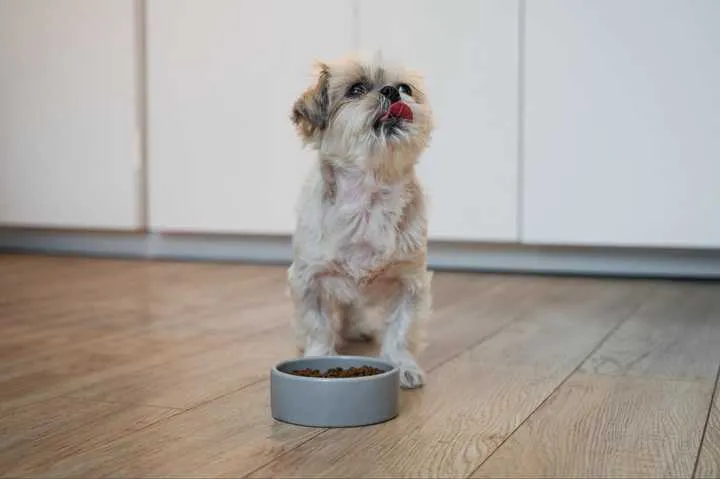
Dogs typically need to defecate about 30 minutes after a meal. Understanding your dog’s feeding schedule can help you anticipate when they’ll feel the urge to go potty. This allows you to adjust potty break times to increase the likelihood of successful outdoor elimination. Remember that adult dogs and puppies have different nutritional needs; puppies generally require at least three feedings daily, while adult dogs can manage with two. Therefore, if you have a young puppy, more frequent potty breaks are essential to prevent indoor accidents.
 how to get my dog to poop outside
2. Establish a Routine
Predictability and a consistent frequency of potty breaks are fundamental to successful potty training. A regular feeding schedule aids in predicting elimination times, and a fixed walking schedule helps your dog know when to expect outdoor time.
 training puppy to poop outside
3. Recognize Signals
While you can predict elimination patterns, your dog might not always stick to the typical order. It’s crucial for pet parents to be aware of their dog’s body cues that indicate it’s potty time.
These signs include:
- Squatting
- Stress panting
- Barking or whining
- Restlessness
- Going in circles
- Waiting by the door
4. Use Rewards
A common reason for unsuccessful house training is a lack of motivation for outdoor elimination. Positive reinforcement, such as consistent praise and rewards, can be highly effective. Offering your dog their favorite treats after they successfully eliminate outside can help create a positive association with the process. High-value treats work best for food-motivated dogs as a potent reinforcer. Ensure you offer the treat immediately after they finish to help them connect the action with the reward.
Be mindful that if a treat is too exciting, your dog might focus more on the treat than on the act of pottying. In such cases, consider switching to a less stimulating treat.
Karen Piwinski
5. Introduce the Crate
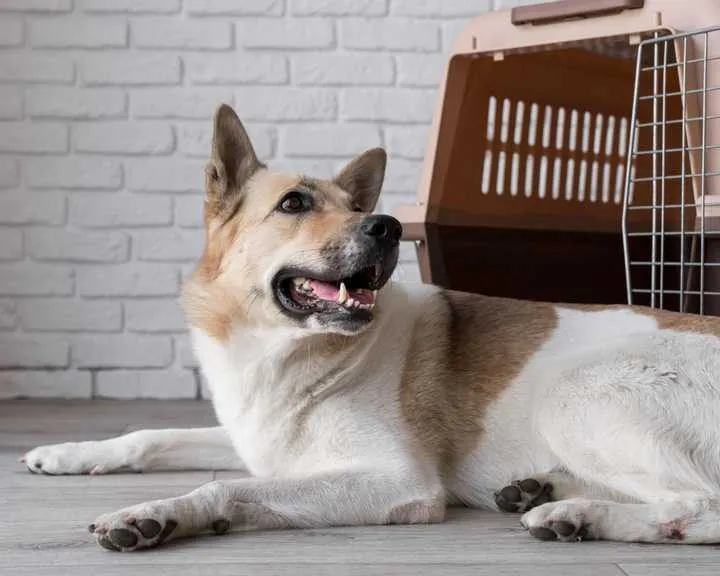
Canines retain many instinctive behaviors from their ancestors, including keeping their den clean. You can leverage this instinct during potty training. Introducing crate training early on helps your dog recognize the crate as their designated spot within the house. Training your dog not to jump on people can also be facilitated by establishing clear boundaries and routines. If the crate is the correct size, your dog will make an effort to hold their waste while inside. A crate that is too large may allow them to eliminate in one corner and still feel comfortable. Using a crate provides better control over when and where your dog eliminates, allowing you to adjust your walking schedule for more outdoor potty opportunities.
 how to get puppy to poop outside
6. Clean Thoroughly After Accidents
A dog’s sense of smell is far more acute than a human’s. Even if you believe you’ve cleaned an accident spot thoroughly, your dog might still detect residual odors. Lingering scents can cause dogs to recognize that area as an acceptable potty spot, leading to repeat eliminations there. To clean effectively, remove any solid waste first and dispose of it. Then, use a special enzymatic cleaner designed to break down odor molecules. For carpeted areas, especially if the dog has stepped in waste, a carpet shampooer can be very effective. Spot-cleaning models are particularly useful for quickly addressing both urine and feces accidents.
 how to train a puppy to poop outside
7. Consistency Is Key
A lack of consistency is one of the biggest obstacles to successful potty training. When a puppy receives mixed signals about when and how often they should have a potty break, they cannot form the proper associations or understand your expectations. To succeed in house training, maintain consistent feeding and walking routines, use unwavering praise and rewards, and exercise patience with your furry companion. How to train your dog not to jump up also requires a consistent approach from all household members.
Wrap Up
Potty training is essential for a comfortable shared living environment with your dog. While accidents are inevitable, you can help your dog master housetraining by considering their physical needs, behavioral tendencies, and medical history. A consistent potty training approach, combined with a positive attitude and ample support, will aid your dog in grasping the concept of outdoor bathroom breaks, significantly improving life for both of you.
Related posts
 training a puppy to pee outside#### [6 Tips How to Train a Dog to Pee Outside](/blog/how-to-train-dog-to-pee-outside/)
 how to potty train a dog#### [How to Potty Train a Puppy or Dog: 6 Main Steps](/blog/how-to-potty-train-a-puppy/)
 submissive urination in dogs#### [Why Do Dogs Pee When Scared](/blog/submissive-urination-in-dogs/)
