
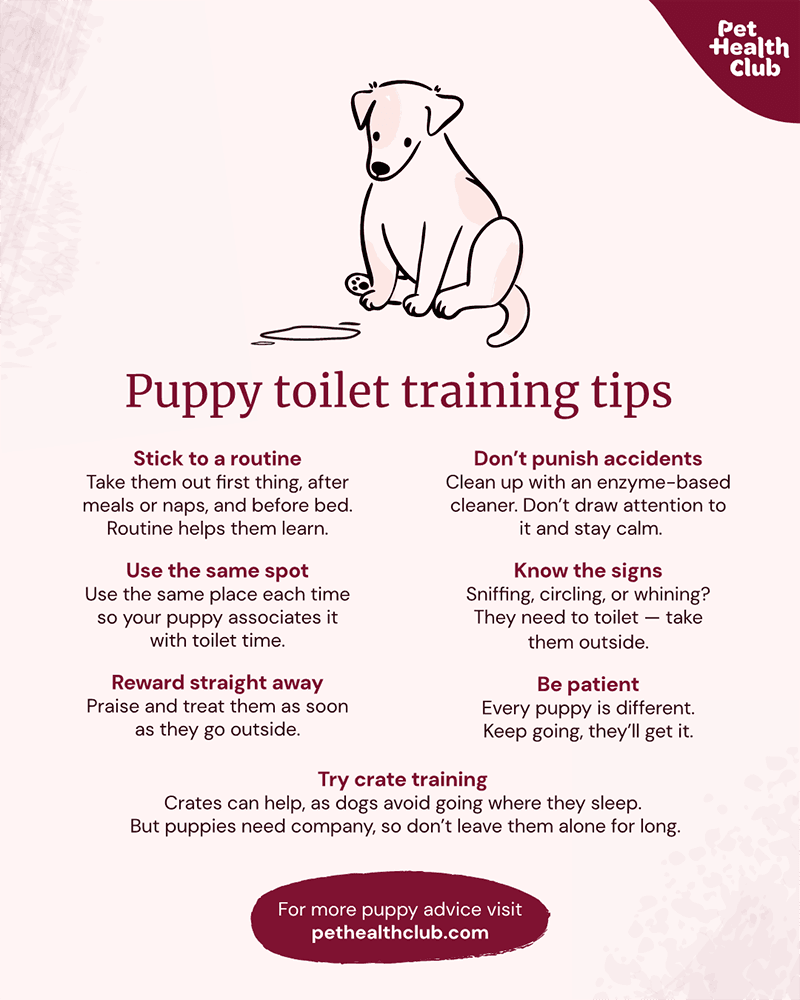
Potty training an older dog might seem like a daunting task, but it’s definitely achievable with patience, consistency, and the right approach. Unlike puppies, older dogs may have established habits, or they might be facing new challenges due to age, health, or a change in environment. Whether you’ve recently adopted a senior dog or are dealing with unexpected accidents, this guide will walk you through the essential steps to successfully potty train an older canine companion.
Understanding Why Older Dogs Might Need Potty Training
Before diving into the training process, it’s crucial to understand why an older dog might be having accidents. This understanding will help tailor your approach and address any underlying issues.
Potential Reasons for Accidents:
- Medical Conditions: Urinary tract infections (UTIs), kidney disease, diabetes, Cushing’s disease, or even arthritis can all lead to incontinence or an increased urge to urinate. Bladder stones or fecal incontinence can also be a factor.
- Cognitive Dysfunction Syndrome (CDS): Similar to dementia in humans, CDS can affect older dogs, leading to confusion, disorientation, and a loss of house-training skills.
- Changes in Routine or Environment: A move to a new home, a change in the family structure (new pet, new baby, loss of a family member), or alterations in their feeding or walking schedule can cause stress and lead to accidents.
- Past Trauma or Neglect: Dogs from shelters or rescue situations may not have had consistent potty training in their previous homes, or they may have negative associations with elimination areas.
- Behavioral Issues: Sometimes, anxiety or submissive urination can cause accidents, especially during stressful situations.
It’s highly recommended to consult your veterinarian to rule out any medical causes before starting or intensifying a potty training regimen. This is a vital step in ensuring your dog’s well-being and the success of your training efforts.
Getting Started: Essential Preparations
Success in potty training an older dog hinges on meticulous preparation and a clear plan. Setting up your home and routine correctly from the start will prevent frustration for both you and your dog.
1. Veterinary Check-up: The First and Most Important Step
As mentioned, a vet visit is non-negotiable. Your veterinarian can perform a thorough physical examination, including urine and blood tests, to diagnose or rule out any medical conditions contributing to accidents. Addressing underlying health issues is paramount.
2. Establish a Consistent Schedule
Consistency is the golden rule of potty training. Dogs thrive on routine, and an older dog will benefit immensely from a predictable schedule for feeding, potty breaks, exercise, and rest.
- Feeding Times: Feed your dog at the same times each day. This helps regulate their digestive system, making it easier to predict when they’ll need to go outside. Avoid free-feeding.
- Potty Breaks: Take your dog out frequently, especially:
- First thing in the morning.
- Last thing at night.
- After waking up from naps.
- After playing or exciting activity.
- About 15-30 minutes after meals and drinking.
- Every few hours throughout the day (frequency will depend on the dog).
3. Choose a Designated Potty Spot
Select a specific area in your yard where you want your dog to eliminate. This helps them associate that location with potty time. Keep the area clean, as strong odors can attract them back to inappropriate spots.
4. Gather Your Supplies
- High-Value Treats: Small, delicious treats that your dog absolutely loves will be essential for rewarding success.
- Enzymatic Cleaner: These cleaners are specifically designed to break down pet odors and stains, preventing your dog from being attracted back to the same spot for future accidents. Regular household cleaners may mask the smell for humans but not for dogs.
- Leash and Collar/Harness: Even in a fenced yard, keep your dog on a leash during potty breaks initially. This allows you to guide them to the spot and immediately reward them.
- Crate (Optional but Recommended): A crate can be a valuable tool, especially for dogs who have a history of accidents indoors. It serves as a safe den and prevents them from having unsupervised opportunities to soil the house. We’ll discuss dog crate training 101 in more detail later.
- Cleaning Supplies: Paper towels, rags, and your chosen enzymatic cleaner.
The Potty Training Process: Step-by-Step
Potty training an older dog requires patience and a positive reinforcement approach. Avoid punishment, as it can create fear and anxiety, hindering the training process.
Step 1: Frequent Potty Breaks and Supervision
- Take Them Out Often: Start by taking your dog out to their designated spot very frequently. As soon as they wake up, after meals, and at regular intervals throughout the day, lead them to the spot on their leash.
- Stay With Them: Remain outside with your dog for a few minutes, allowing them time to sniff and choose a spot.
- Positive Reinforcement: When your dog eliminates in the correct spot, praise them enthusiastically and immediately give them a high-value treat. Use a consistent verbal cue like “Go potty” or “Hurry up” as they are eliminating. This helps them associate the cue with the action.
- If They Don’t Go: If your dog doesn’t eliminate after 5-10 minutes, bring them back inside and try again in 15-20 minutes. Don’t let them have free roam of the house unsupervised during this phase.
Step 2: Crate Training (If Applicable)
Crate training leverages a dog’s natural instinct not to soil their den.
- Introduce the Crate Positively: Make the crate a comfortable and inviting space with soft bedding and toys. Feed your dog meals inside the crate with the door open.
- Short Periods First: Start with short periods (15-30 minutes) while you are home. Gradually increase the duration as your dog becomes comfortable.
- Never Use as Punishment: The crate should be a safe haven, not a place of punishment.
- Nighttime and Alone Time: When you can no longer supervise, or at night, your dog can be crated. Ensure the crate is the right size – large enough to stand up, turn around, and lie down, but not so large they can potty in one end and sleep in the other.
Step 3: Managing Indoor Accidents
Accidents are bound to happen, especially with older dogs. The key is how you handle them.
- Interrupt, Don’t Punish: If you catch your dog in the act, interrupt them with a sharp but not scary sound (like a clap of your hands). Immediately pick them up or lead them outside to their potty spot. If they finish eliminating outside, praise and reward them.
- Clean Thoroughly: If you discover an accident after it has happened, do not scold your dog. They won’t understand why they are being punished. Simply clean the area thoroughly with an enzymatic cleaner. Ensure no traces of odor remain.
- Look for Predictable Patterns: Pay attention to when and where accidents occur. This can provide clues about potential medical issues or training gaps.
Step 4: Increasing Freedom Gradually
As your dog starts having fewer accidents, you can gradually increase their freedom.
- Supervised Wandering: Allow your dog to have more supervised time outside the crate or confined area. Keep them in the same room as you so you can watch for signs they need to go out (sniffing, circling, whining, heading towards a door).
- Leash Indoors: Consider keeping your dog on a leash indoors for a while. This keeps them tethered to you, making it easier to notice their cues and whisk them outside.
- Limit Access: When you cannot supervise them directly, put them back in their crate or a smaller, dog-proofed area.
Dealing with Specific Challenges
Older dogs can present unique challenges that require specific strategies.
Potty Training a Dog with a Medical Condition
If your dog has a diagnosed medical condition causing incontinence, the goal shifts from traditional training to management.
- Frequent Potty Breaks: You may need to take your dog out more often than other dogs, even if they don’t show obvious signs of needing to go.
- Doggy Diapers or Belly Bands: For male dogs, absorbent belly bands can help manage dribbling. For both males and females, doggy diapers can be effective for more severe incontinence. Ensure you clean and change them regularly to prevent skin irritation.
- Easy-Access Doggy Doors: If mobility is an issue, consider installing an accessible doggy door that allows your dog to go out on their own.
- Medication: Follow your vet’s prescribed medication regimen strictly.
Potty Training a Dog with Cognitive Dysfunction Syndrome (CDS)
For dogs with CDS, training may involve more repetition and a focus on routine.
- Strict Routine: Adhere rigidly to the feeding and potty break schedule.
- Positive Reinforcement: Continue to reward successes generously.
- Patience is Key: Understand that confusion is part of the condition. Celebrate small victories.
- Environmental Management: Consider using doggy diapers or creating a safe, easily cleaned “potty zone” within the house if accidents become frequent and difficult to manage.
Potty Training a Fearful or Anxious Dog
Fear and anxiety can manifest as accidents. Building trust is crucial.
- Build Trust: Spend quality time with your dog, engage in positive training sessions, and provide a secure environment.
- Identify Triggers: Observe what situations cause anxiety and try to desensitize your dog to them gradually.
- Positive Association with Potty Spot: Make going outside a positive experience. Offer treats and praise away from any areas that might trigger anxiety.
- Avoid Harsh Corrections: Any form of punishment will likely exacerbate their fear and anxiety.
Maintaining Success and Long-Term Habits
Once your older dog is reliably potty trained, it’s important to maintain the established habits and remain vigilant.
- Continue the Routine: Even when your dog is accident-free, maintaining a consistent schedule helps prevent regressions.
- Watch for Changes: Keep an eye out for any changes in your dog’s behavior or bathroom habits, as these could signal a new medical issue.
- Adapt as Needed: As dogs age, their needs can change. Be prepared to adapt their routine or management strategies if necessary.
Potty training an older dog is a journey that requires dedication. By understanding their needs, being patient, and using positive reinforcement, you can help your senior dog achieve reliable house-training and enjoy a happier, more comfortable life with you. Remember, every dog is an individual, and with the right approach, you can certainly help your older companion succeed.
