
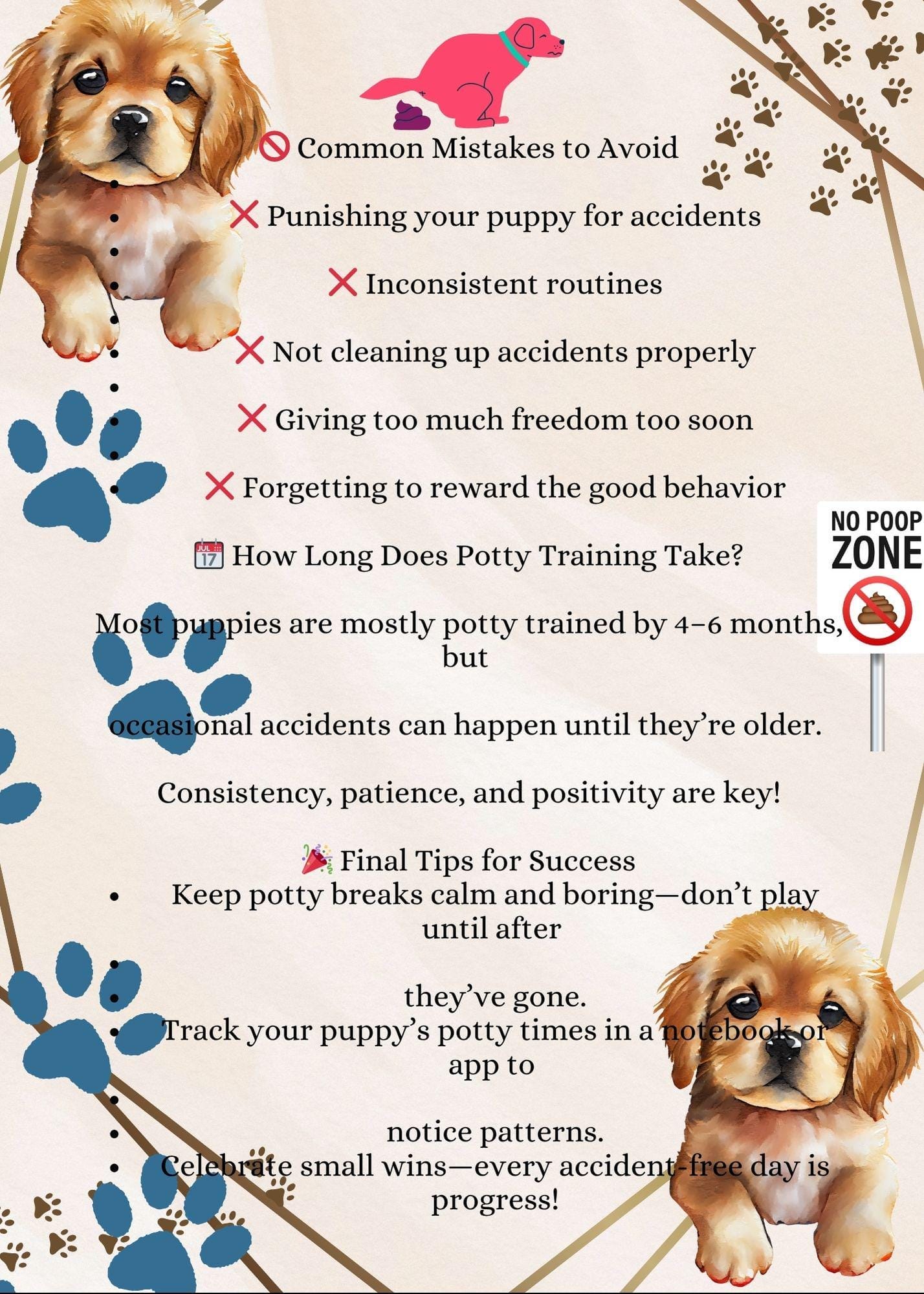
Bringing a small dog into your home is an exciting experience, but it comes with a unique set of challenges. One of the first hurdles many new owners face is figuring out how to potty train a small dog. Their tiny bladders and boundless energy can make house training feel like a monumental task. But don’t worry—with consistency, patience, and the right techniques, you can successfully teach your pint-sized companion where to do their business. This guide will walk you through everything you need to know, from understanding their specific needs to handling inevitable accidents with grace.
The principles of potty training are universal, but small breeds have quirks that require a tailored approach. Understanding these differences is the first step toward a clean home and a happy dog. For those who have adopted, the process might have some similarities to potty training a rescue dog, as you are both learning to understand each other’s cues and routines.
Understanding Your Small Dog’s Needs
Before you begin, it’s crucial to understand why potty training a small dog can be different. It’s not that they are less intelligent; it’s a matter of physiology and perspective.
- Tiny Bladders, Big Urgency: The most significant factor is bladder size. A small dog simply cannot hold it for as long as a larger breed. This means they need more frequent potty breaks, especially as puppies. A young puppy might need to go out every 30-60 minutes.
- Faster Metabolism: Small breeds often have a faster metabolism, which means they process food and water more quickly. This cycle leads to a more frequent need to eliminate.
- They’re Harder to See: A puddle from a Chihuahua is much smaller and less noticeable than one from a Golden Retriever. Accidents can go undiscovered for longer, reinforcing the idea that it’s okay to go inside.
- The World is Big and Scary: From their perspective, the backyard can be an intimidating place. Bad weather, loud noises, or even tall grass can make them hesitant to potty outside, encouraging them to seek a quiet corner indoors instead.
Setting realistic expectations is key. Potty training is a process that takes weeks, sometimes months. There will be accidents, but how you respond to them will define your success.
The Essential Tools for Potty Training Success
Having the right supplies on hand can make the training process smoother and more effective. Before you start, gather these essential items:
- A Crate: This is your most valuable tool. A crate provides a safe, den-like space for your dog and is instrumental in preventing accidents when you can’t supervise them.
- High-Value Treats: You’ll need small, delicious treats to reward your dog immediately after they successfully potty outside. The reward needs to be exciting enough to motivate them.
- An Enzymatic Cleaner: Standard cleaners won’t cut it. You need an enzymatic cleaner specifically designed to break down and eliminate the odor molecules in pet urine. If your dog can still smell a previous accident spot, they will be drawn to use it again.
- A Leash and Harness: Always take your small dog out on a leash, even in a fenced yard. This keeps them focused on the task at hand and prevents them from getting distracted by a squirrel or a leaf.
- Puppy Pads: While some trainers advise against them, puppy pads can be a useful tool, especially for apartment dwellers or those with irregular schedules. If you choose to use them, consider getting quality dog training pads xl to provide a larger target area.
A Step-by-Step Guide to Potty Training a Small Dog
Consistency is the cornerstone of successful house training. Every member of the household should be on the same page with this routine.
Step 1: Establish a Consistent Routine
Dogs are creatures of habit. A predictable schedule helps them understand when and where they are expected to potty. Your schedule should include potty breaks at these key times:
- First thing in the morning
- Last thing before bed
- Immediately after waking up from a nap
- After playing
- After eating or drinking
- At least once every one to two hours initially
When you take your dog out, go to the same designated potty spot every time. Use a specific cue word like “Go potty” or “Do your business.” Stand still and be boring until they go. The moment they finish, praise them enthusiastically and give them a high-value treat.
Step 2: Master Crate Training
A crate is not a punishment; it’s a management tool. Dogs have a natural instinct not to soil their den. The crate should be just large enough for your dog to stand up, turn around, and lie down comfortably. If it’s too big, they may use one end as a bathroom. If your dog struggles with noise, you may find that addressing crate training dog barking is a parallel challenge that requires its own set of patient techniques.
Use the crate whenever you can’t provide 100% supervision, such as when you’re sleeping, showering, or cooking. For puppies, their time in the crate should be limited. A general rule of thumb is their age in months plus one (e.g., a 3-month-old puppy can hold it for about 4 hours).
Step 3: Use Positive Reinforcement
Positive reinforcement is the most effective and humane way to train a dog. This means rewarding the behavior you want to see. When your dog potties outside, make a huge deal out of it! Offer praise, pets, and that special treat you saved just for potty time. This creates a positive association with going to the bathroom in the correct spot. Never punish your dog for having an accident. Scolding, yelling, or rubbing their nose in it will only create fear and anxiety, which can make the problem worse.
Step 4: Supervise and Manage Their Environment
When your dog is not in their crate, you must supervise them closely. Keep them in the same room as you, using a leash tethered to you or your furniture if needed. Watch for signs they need to go, such as sniffing the ground, circling, or whining. The moment you see these signs, calmly and quickly take them outside to their potty spot. The goal is to prevent accidents from happening in the first place.
Step 5: Handle Accidents Correctly
Accidents will happen. When they do, your reaction is critical.
- Don’t React: If you catch them in the act, make a sound to interrupt them (like a clap) and immediately scoop them up and take them outside.
- Clean Thoroughly: Use your enzymatic cleaner to clean the soiled area completely. This is non-negotiable. If you fail to remove the odor, they will return to that spot.
- Reflect: An accident is a sign of a breakdown in management, not a naughty dog. Ask yourself: Did I wait too long to take them out? Was I not supervising closely enough? Adjust your strategy accordingly.
What Are the Most Common Small Dog Potty Training Problems?
Small dog owners often face a few specific hurdles. Here’s how to troubleshoot them.
Marking Territory
Marking is different from having an accident. It’s a behavioral issue where a dog (male or female) deposits a small amount of urine to claim territory. If your dog is marking, ensure they are neutered or spayed, as this can significantly reduce the behavior. Clean marked spots diligently and work on reinforcing their confidence and basic obedience.
Submissive or Excitement Urination
Some small dogs may urinate when they are overly excited (like when you come home) or as a submissive gesture when they feel intimidated. To manage this, keep greetings low-key. Avoid direct eye contact and towering over your dog. Work on building their confidence through positive training experiences. For some owners, tackling these nuanced behaviors may require professional guidance, which leads them to consider the private dog training cost as a worthwhile investment.
Refusing to Go in Bad Weather
Many small dogs dislike rain, snow, or even wet grass. You can’t let them win this battle. If they refuse to go, you may need to go out with them under an umbrella. Some owners have success by creating a small, covered potty area in their yard. The key is to be more patient and persistent than they are.
Puppy Pads: Friend or Foe?
Puppy pads can be a lifesaver for owners in high-rise apartments or for those who can’t take their dog out frequently. However, they can also cause confusion. Your dog may learn that it’s acceptable to potty on soft surfaces inside, which can lead them to use rugs or bathmats.
If you use pads, the goal should be to eventually transition them to going outside. You can do this by gradually moving the pad closer to the door and eventually placing it outside in their designated potty spot. This process helps bridge the gap in their understanding of the ultimate goal: learning how to train dogs to pee outside.
According to fictional canine behaviorist Dr. Miles Bennett, “The key to using puppy pads is consistency. Designate one spot in the house for the pad and treat it with the same rules as the outdoor potty spot. When the dog uses it correctly, praise them. This maintains the core principle of potty training: there is a right place and a wrong place to go.”
FAQ: Potty Training Your Pint-Sized Pal
How long does it take to potty train a small dog?
There’s no magic number. It can take anywhere from a few weeks to several months. Consistency, the dog’s age, and their history all play a role. A young puppy might learn faster than an older rescue dog who needs to unlearn bad habits.
Why does my small dog keep having accidents?
The most common reasons are a medical issue (like a UTI), incomplete cleaning of past accidents, not being taken out frequently enough, or a breakdown in supervision. Rule out medical causes with your vet first.
Can I train my small dog to use a litter box?
Yes, some small dogs can be successfully trained to use an indoor litter box or a grass patch on a balcony. The training principles are the same: take them to the box frequently and reward them heavily for using it correctly.
What’s the best command word for potty training?
Choose a simple, clear phrase that you don’t use in regular conversation. “Go potty,” “Hurry up,” or “Do your business” are popular choices. The specific words don’t matter as much as using them consistently.
Should I punish my dog for an accident?
Absolutely not. Punishment is counterproductive. It teaches your dog to fear you and to hide when they need to potty, making it harder for you to teach them the correct behavior. It erodes trust and can create long-term anxiety issues.
Your Partner in Potty Training Success
Successfully figuring out How Do You Potty Train A Small Dog is a journey that builds a deep bond between you and your new companion. It requires patience, empathy, and above all, consistency. Remember to celebrate the small victories, manage your environment to prevent mistakes, and always use positive reinforcement. By following these steps and understanding your little dog’s unique needs, you will be well on your way to a happy, accident-free life together.
