
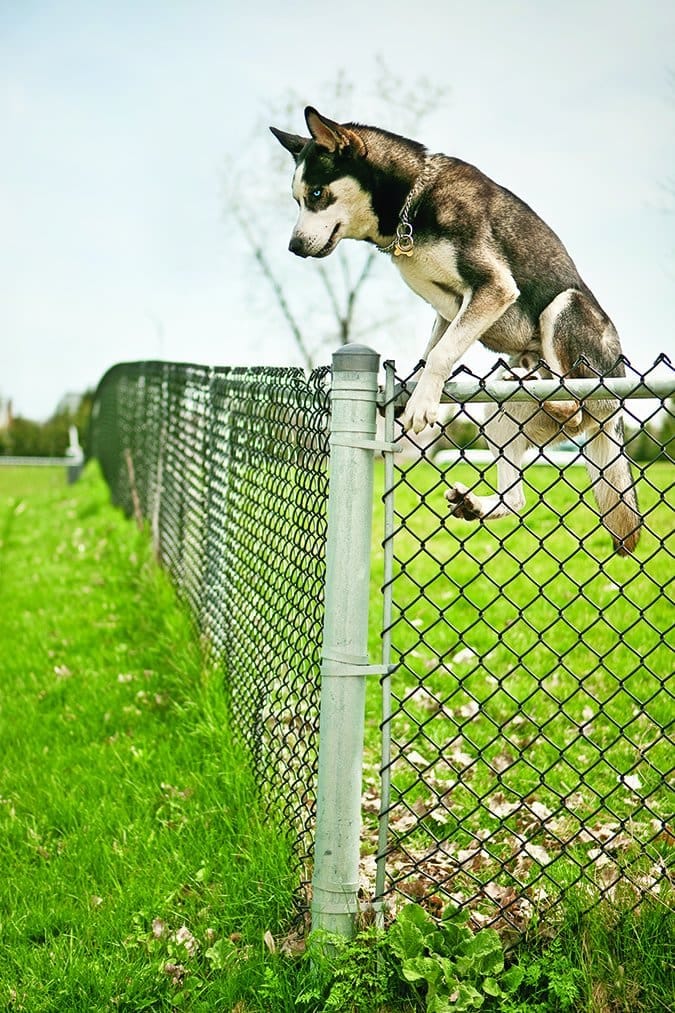
For many dog owners, the frustration of a dog digging, jumping, or chewing its way out of the yard is a common problem. Understanding why your dog is motivated to escape is the first step in finding a lasting solution. While physical barriers and modifications can help, addressing the underlying reasons for escape is crucial for long-term success.
Understanding Escape Methods and Solutions
Dogs employ various methods to breach their enclosures, from the most obvious to the surprisingly inventive. Recognizing your dog’s specific escape technique is key to implementing the right preventative measures.
For Dogs That Climb or Jump Fences
If your dog is a climber or jumper, modifying your fence can be an effective deterrent. Consider adding an extension to your existing fence that angles inward at approximately a 45-degree angle. While a significant increase in height isn’t always necessary, the inward slant makes it much harder for dogs to gain purchase and propulsion to get over the top. Crucially, ensure there are no nearby objects, such as outdoor furniture, dog houses, or play structures, that could serve as a launching pad for your dog to clear the fence.
For Dogs That Dig Under Fences
Persistent digging is another common escape tactic. To combat this, several effective methods can be employed. Burying chicken wire at the base of your fence, with the sharp edges rolled inward towards the yard, can create an uncomfortable and unyielding barrier. Alternatively, placing large rocks or a section of chain-link fencing along the bottom perimeter of your fence can discourage digging.
Essential Training Principles
When addressing escape behaviors, timing and understanding are paramount.
Never punish your dog after they have already escaped. Dogs form associations between punishment and their current actions. Punishing them after the fact will not deter future escape attempts and may only lead to them becoming fearful of your return.
It is also vital to avoid correcting your dog if their escape behavior stems from fear or separation anxiety. Punishing a fearful reaction will exacerbate their anxiety, making the problem worse. Similarly, be cautious not to inadvertently reinforce fearful behavior by offering excessive comfort, such as petting and soothing words, as this can sometimes be perceived by the dog as encouragement.
Corrections should only be administered at the exact moment of escape, and ideally, in a way that the dog doesn’t associate directly with you. A sudden, unpleasant stimulus, like a squirt from a hose or a loud noise, occurring as they are actively trying to get out, might create a negative association with the act of escaping. However, if the dog perceives you as the source of the unpleasantness, they may simply learn to wait until you are not present to attempt escape. This method is difficult to implement effectively and is rarely sufficient on its own.
Ultimately, the most effective strategy involves a combination of making escape more difficult and reducing your dog’s motivation to leave. By addressing both the physical barriers and the underlying reasons for escape, you can create a secure environment and foster a contented pet.
If your dog frequently attempts to escape, exploring professional training resources can provide tailored strategies. Options like dog pulling on leash training can offer valuable insights into managing persistent canine behaviors. Additionally, understanding how to stop your dog pulling on the lead might reveal parallels in managing escape-driven behaviors. For more in-depth guidance, consider resources on training a dog not to pull or how to teach dog to stop pulling. These approaches emphasize consistent training and positive reinforcement.
Conclusion
Preventing your dog from escaping requires a multi-faceted approach. By understanding your dog’s specific methods of escape and implementing appropriate physical deterrents, you can significantly increase the security of your yard. Equally important is addressing any underlying behavioral issues, such as fear or separation anxiety, that may be driving the escape attempts. Remember, never tether your dog, as this is not only inhumane but can also lead to aggression. With patience, consistent effort, and the right strategies, you can create a safe and happy environment for your canine companion. If you’re struggling to manage your dog’s escape attempts, consulting a professional dog trainer can provide personalized guidance and support for training a dog that pulls on the leash.
