
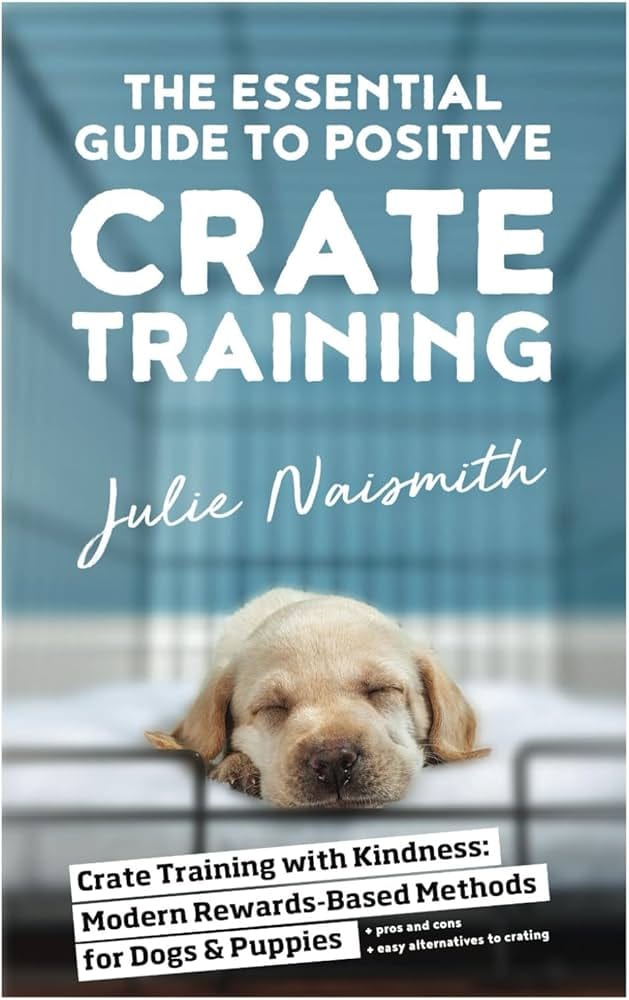
Bringing an older dog into your home is a rewarding experience, filled with the potential for deep companionship. If you’re considering crate training for your senior canine, you’re embarking on a journey that can offer them security, a safe space, and help with various behavioral adjustments. Unlike puppies, older dogs may have established habits and a different temperament, so a patient and understanding approach is key. This guide will walk you through the essentials of how to crate train an older dog, ensuring a positive and stress-free experience for both of you.
Understanding the Benefits of Crate Training for Senior Dogs
Before diving into the “how-to,” let’s briefly touch upon why crate training can be exceptionally beneficial for older dogs. It’s not about confinement, but about providing a den-like sanctuary. For senior dogs, a crate can offer:
- A Safe Haven: As dogs age, they might experience anxiety or become more sensitive to household noise and activity. A crate provides a secure, predictable space where they can retreat and feel safe.
- Help with Housetraining Adjustments: While an older dog might already be housetrained, a new environment or changes in their routine can sometimes lead to accidents. A crate can help manage this during the adjustment period, leveraging a dog’s natural instinct not to soil their sleeping area.
- Aiding in Recovery: If your senior dog has undergone surgery or is dealing with a medical condition requiring rest, a crate can help limit their movement and promote healing in a controlled environment.
- Reducing Separation Anxiety: For some older dogs, being alone can be stressful. A properly introduced crate can become a comforting den, easing their anxiety when you need to leave them for short periods. It’s crucial to remember that this is not a quick fix for severe separation anxiety and may require professional guidance.
- A Tool for Introducing New Pets or Children: If you’re integrating an older dog into a multi-pet or child-friendly household, the crate can serve as a safe introduction zone, allowing all parties to adjust at their own pace.
Essential Supplies for Crate Training an Older Dog
Gathering the right supplies before you start can make the process smoother.
- The Right Crate: Choose a crate that is appropriately sized. Your dog should be able to stand up, turn around, and lie down comfortably. If the crate is too large, they might use one end as a bathroom. For older dogs, consider a crate with a comfortable floor, perhaps adding a soft, washable bed or blanket. Wire crates offer good ventilation and visibility, while plastic or den-style crates can feel more enclosed and secure.
- Comfortable Bedding: Soft, washable bedding is essential for comfort. Ensure it’s something your dog enjoys and isn’t prone to destroying.
- High-Value Treats: These should be small, tasty, and extra special – something your dog absolutely loves. Think small pieces of cooked chicken, cheese, or specific training treats.
- Water Bowl (Optional, but recommended for longer stays): If your dog will be in the crate for extended periods, a secure water bowl that attaches to the crate can be beneficial.
Step-by-Step Guide: How to Crate Train an Older Dog
Patience is your greatest asset when crate training an older dog. Avoid rushing the process, and always associate the crate with positive experiences.
Step 1: Make the Crate Appealing
Your dog’s first introduction to the crate should be entirely positive.
- Open Door Policy: Set up the crate in a common area of your home where your dog spends time. Leave the door open, and let your dog explore it at their own pace. Don’t force them in.
- Positive Association: Toss treats or their favorite toys just inside the crate. Encourage them to go in to retrieve them. When they voluntarily step inside, offer praise and a small treat.
- Introduce Bedding and Toys: Place their comfortable bedding and a favorite chew toy inside. Make the crate an inviting place to rest.
Step 2: Encourage Short Stays
Once your dog is comfortable entering the crate, start encouraging short periods inside.
- Treats and Praise: As they are inside, give them a treat and gentle praise.
- Close the Door Briefly: While they are happily munching on a treat or toy, close the crate door for just a few seconds. If they remain calm, open it and let them out. Repeat this, gradually increasing the duration the door is closed.
- Meal Times: Feed your dog their meals inside the crate with the door open initially, then gradually close it while they eat. This is an excellent way to build positive associations with the crate.
Step 3: Increase Duration Gradually
As your dog becomes more comfortable with short periods, slowly increase the amount of time they spend in the crate.
- Incremental Increases: Add just a few minutes at a time. If your dog shows signs of stress (whining, barking, pacing), you’ve increased the duration too quickly. Go back to shorter periods and try again.
- Practice Departures: Once they are comfortable for longer periods, start practicing short departures. Leave the room for a minute or two, then return. Always return when they are calm. If they are agitated, wait for a moment of quiet before re-entering.
- Vary Your Routine: Sometimes leave the house for short periods, then return. This helps them understand that you will always come back.
Step 4: Establishing a Routine
Consistency is crucial for older dogs.
- Scheduled Crate Time: Establish a predictable schedule for when the crate will be used, especially if it’s for housetraining or managing anxiety.
- Potty Breaks: If housetraining is a goal, ensure frequent potty breaks are offered, especially after waking up from naps, after meals, and before bedtime. Take them directly outside to their designated potty spot.
- Avoid Using as Punishment: Never use the crate as a place for punishment. This will create negative associations and undermine the entire training process.
Common Challenges and Solutions
- Whining or Barking: If your dog whines or barks, resist the urge to let them out immediately, as this can reinforce the behavior. Wait for a moment of quiet before opening the door. Ensure they have had adequate exercise and potty breaks beforehand. If this persists, consult a professional trainer or veterinarian.
- Refusal to Enter: If your dog consistently refuses to enter, you might have moved too fast. Go back to Step 1, making the crate even more appealing with higher-value treats and a more relaxed introduction. Ensure the crate is in a location where they feel comfortable.
- Accidents in the Crate: This can happen if the crate is too large, if the dog has a medical issue (like a UTI), or if they are left in for too long. Thoroughly clean the crate with an enzymatic cleaner to eliminate odors. Re-evaluate the crate size and the duration of time spent inside. Consult your vet to rule out medical causes.
When to Seek Professional Help
While many older dogs adapt well to crate training with patience and consistency, some may require additional support. If your dog exhibits extreme anxiety, aggression, or if you’re struggling to make progress, consider consulting:
- A Certified Professional Dog Trainer (CPDT): They can assess your dog’s behavior and provide tailored training strategies.
- A Veterinary Behaviorist: For severe anxiety or behavioral issues, a veterinary behaviorist can offer a comprehensive approach, potentially including medication if necessary.
Crate training an older dog is a journey of trust and positive reinforcement. By approaching it with understanding, patience, and a focus on your dog’s comfort and well-being, you can successfully create a safe and happy den for your senior companion. Remember, the goal is to enhance their quality of life, providing them with a secure space that contributes to their overall happiness and peace of mind.
