
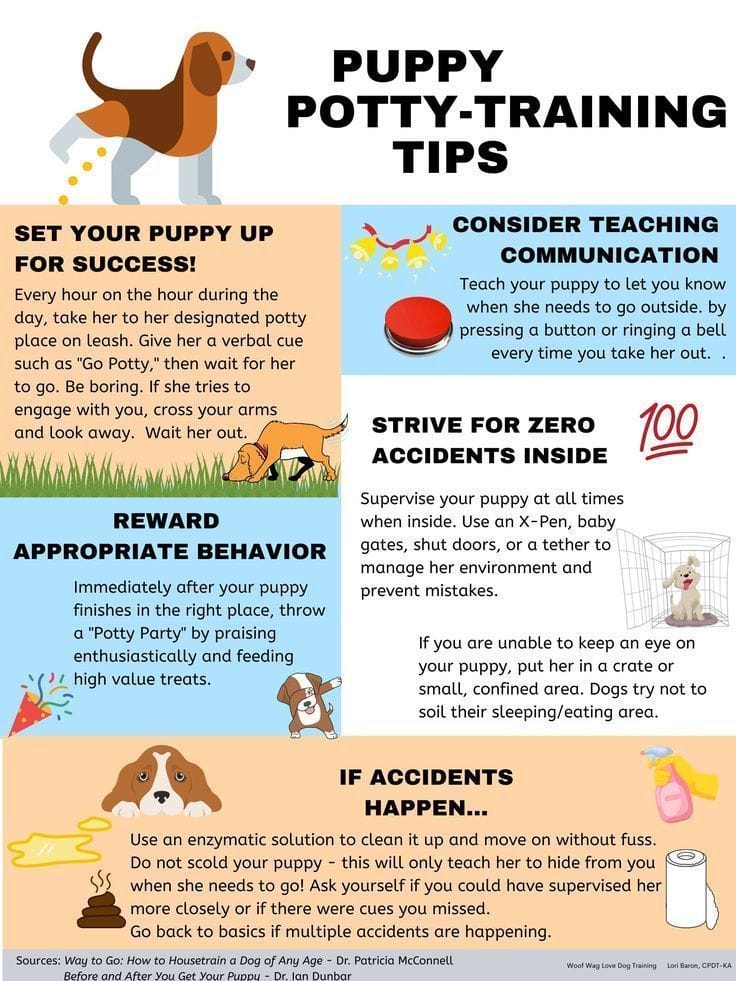
Teaching your dog to signal when they need to go outside is a crucial part of house-training and can significantly reduce accidents indoors. One of the most effective methods for this is bell training. This technique involves using a small bell, hung from your door, as a cue for your dog to communicate their needs. It’s a rewarding process that strengthens the bond between you and your canine companion, fostering better communication and a cleaner home.
Understanding the “Why” Behind Bell Training
Why bells, you ask? Dogs are creatures of habit and respond well to consistent cues. A bell provides a clear, audible signal that your dog can learn to associate with a specific action: going outside. This method taps into their natural desire to please and their ability to learn through repetition and positive reinforcement. It’s a gentle yet effective way to teach your dog to be more independent in communicating their potty needs, ultimately reducing your stress and increasing your dog’s confidence. This proactive approach is far more beneficial than constantly trying to guess when your dog needs to go out.
Getting Started: What You’ll Need
Before you begin, gather the essential tools to make the process as smooth as possible. Consistency is key, and having everything ready will help you maintain momentum.
The Perfect Bell
The type of bell you choose matters. Opt for a bell that is:
- Audible: It should have a clear, distinct ring that your dog can easily hear.
- Durable: Your dog might nudge, paw, or even chew on it, so it needs to withstand some wear and tear.
- Safe: Ensure there are no small parts that could break off and be a choking hazard.
Many pet supply stores offer specialized dog potty training bells, often larger and more robust than typical craft bells. Alternatively, you can use a sturdy jingle bell or even a small handbell, as long as it meets the above criteria.
High-Value Treats
Positive reinforcement is the cornerstone of effective dog training. Have a stash of your dog’s absolute favorite treats ready. These should be small, delicious, and highly motivating – something they don’t get every day. Think small pieces of cooked chicken, cheese, or specialized training treats.
Leash and Door Access
You’ll need your dog’s leash for guided trips outside and, of course, easy access to the door your dog will be using for potty breaks.
The Bell Training Process: Step-by-Step
Bell training is a gradual process that requires patience and consistency. Don’t get discouraged if your dog doesn’t pick it up immediately; every dog learns at their own pace.
Step 1: Introduce the Bell
- Hang the Bell: Attach the bell securely to your main exit door, at a height your dog can easily reach with their nose or paw. Ensure it’s low enough for them to interact with it, but not so low that it’s constantly ringing.
- Associate Bell with Potty: Every time you take your dog out for a potty break, gently guide their nose or paw to touch the bell, making it ring. As soon as the bell rings, say a cue word like “Outside!” or “Potty!” in an encouraging tone.
- Immediate Reward: Immediately after the bell rings and you say your cue word, take your dog outside. If they eliminate, offer enthusiastic praise and a high-value treat.
Step 2: Encourage Bell Interaction
- Entice Touching: Once your dog seems accustomed to the bell ringing as you take them out, start encouraging them to ring it themselves. You can do this by holding a treat near the bell and gently nudging their nose towards it. The moment they touch the bell, praise them and say your cue word.
- Reward Voluntary Rings: If your dog accidentally or intentionally bumps the bell, immediately praise them, use your cue word, and take them outside. Even if they don’t go potty, the act of ringing the bell and going to the door is a win. Reward them for this behavior.
Step 3: Linking Bell to Potty Break
This is where the true communication begins. Your goal is for your dog to understand that ringing the bell means “I need to go outside to potty.”
- Consistent Routine: Take your dog out frequently, especially after waking up, after meals, and after playtime. During these times, continue the routine of having them ring the bell before going out.
- Listen for the Bell: Be hyper-vigilant about the sound of the bell. The moment you hear it, even if it’s faint, respond promptly. Don’t wait for them to ring it again or make a fuss.
- Reward Successful Potty Trips: When your dog rings the bell and then successfully eliminates outside, offer a jackpot of praise and treats. This solidifies the connection: “Bell = Outside = Potty = Great Reward!”
Step 4: Handling Accidents and Setbacks
Accidents are part of the house-training process. The key is to remain calm and consistent.
- Don’t Punish: Never punish your dog for an accident. Punishment can make them fearful of you and of eliminating in front of you, which can hinder training. Instead, clean it up thoroughly with an enzymatic cleaner to eliminate odors.
- Identify the Cause: If accidents are happening frequently, consider if you are taking them out often enough, or if they are signaling you just miss it. Go back to Step 1 or 2 and reinforce the basics.
- Reinforce Positive Behavior: Focus on rewarding the correct behavior – ringing the bell and going outside.
Troubleshooting Common Bell Training Issues
Even with the best intentions, you might encounter a few bumps in the road. Here are some common issues and how to address them:
My dog rings the bell constantly, but doesn’t potty.
This often means your dog has learned that ringing the bell gets them attention or a trip outside, but they haven’t fully connected it to the need to potty.
- Solution: Be more selective with your rewards. Only give the jackpot reward (extra praise and treats) when they actually eliminate outside. If they ring the bell and don’t go, calmly take them back inside after a short waiting period. This teaches them that the bell isn’t just for a game of door-opening.
My dog ignores the bell.
This could be due to several reasons: the bell isn’t audible enough, they haven’t made a strong enough association, or they are too distracted.
- Solution:
- Ensure the bell is loud and clear.
- Go back to the initial stages of associating the bell with going outside and rewarding them heavily for touching it.
- Practice during quieter times when there are fewer distractions.
- Consider using a different type of bell if the current one isn’t working.
My dog rings the bell but then has an accident inside.
This is a frustrating but common problem. It can happen if they ring the bell too late, or if they are anxious or have a medical issue.
- Solution:
- Timing: Increase the frequency of your potty breaks, especially for puppies or dogs with smaller bladders.
- Medical Check: If this is a new behavior or happens frequently, consult your veterinarian to rule out any underlying medical conditions like a urinary tract infection.
- Anxiety: If your dog seems anxious, try to identify the trigger and address it. Stress can sometimes lead to accidents.
- Reinforce the Link: Go back to rewarding only successful potty trips outside.
Integrating Bell Training with Other Commands
Bell training can be seamlessly integrated with other basic commands like “Sit” and “Stay.” For example, before you take your dog outside after they ring the bell, you can ask them to “Sit.” This adds another layer of control and reinforces good manners.
- “Good boy, you rang the bell! Now, [dog training bellevue wa].” Once they sit, then proceed outside.
- This also helps prevent your dog from barging through the door the moment it opens. You can use the command to train dog not to bark at doorbell and apply a similar principle to the exit door.
Advanced Tips for Success
- Consistency is Paramount: Ensure everyone in the household follows the same bell-training routine. Inconsistency is the biggest hurdle to overcome.
- Patience: Every dog is an individual. Some will master this in days, others in weeks. Celebrate small victories.
- Positive Reinforcement: Always use positive methods. Your dog should associate the bell and going outside with good things.
- Consider Multiple Doors: If you have multiple exit doors, you may need to train your dog to use a bell at each one.
- Puppy Bell Training: Puppies have less bladder control, so start bell training early. Be prepared for more frequent trips and potential accidents.
- Using Bells for Doorbell Training: For situations like how to train dog not to bark at doorbell, you might consider using bells for door dog training as a less startling alternative to a loud doorbell. The principle is similar: associate the bell sound with a desired behavior (calm waiting).
Frequently Asked Questions About Bell Training
Q1: How long does it take to bell train a dog?
A: The timeframe varies greatly depending on the dog’s age, breed, individual learning ability, and the consistency of the owner. It can take anywhere from a few days to several weeks or even months.
Q2: My dog rings the bell constantly. What should I do?
A: Go back to rewarding only when they successfully potty outside after ringing the bell. If they ring it and don’t go, calmly take them back inside. This teaches them the bell’s true purpose.
Q3: Can I use any type of bell for training?
A: While you can use various bells, it’s best to choose one that is durable, audible, and safe for your dog. Specialized dog potty bells are often recommended.
Q4: What if my dog is scared of the bell sound?
A: If your dog is fearful, introduce the bell gradually. Let them sniff it without ringing it. Reward them for calm behavior around it. You can also try a softer-sounding bell initially.
Q5: My dog sometimes has accidents even after ringing the bell. Why?
A: This could be due to insufficient frequency of potty breaks, anxiety, or a potential medical issue. Ensure you’re taking them out often enough and consult a vet if the problem persists.
Conclusion: The Reward of a Well-Trained Pup
Bell training your dog is an investment in a harmonious life together. It fosters clear communication, reduces household messes, and empowers your dog to express their needs responsibly. By employing patience, consistency, and positive reinforcement, you can successfully teach your canine companion to use the bells, leading to a happier, cleaner, and more connected relationship. Remember, every little bark, wag, and bell ring is part of your dog’s unique story, and mastering this communication tool will undoubtedly enrich that narrative for both of you.
