
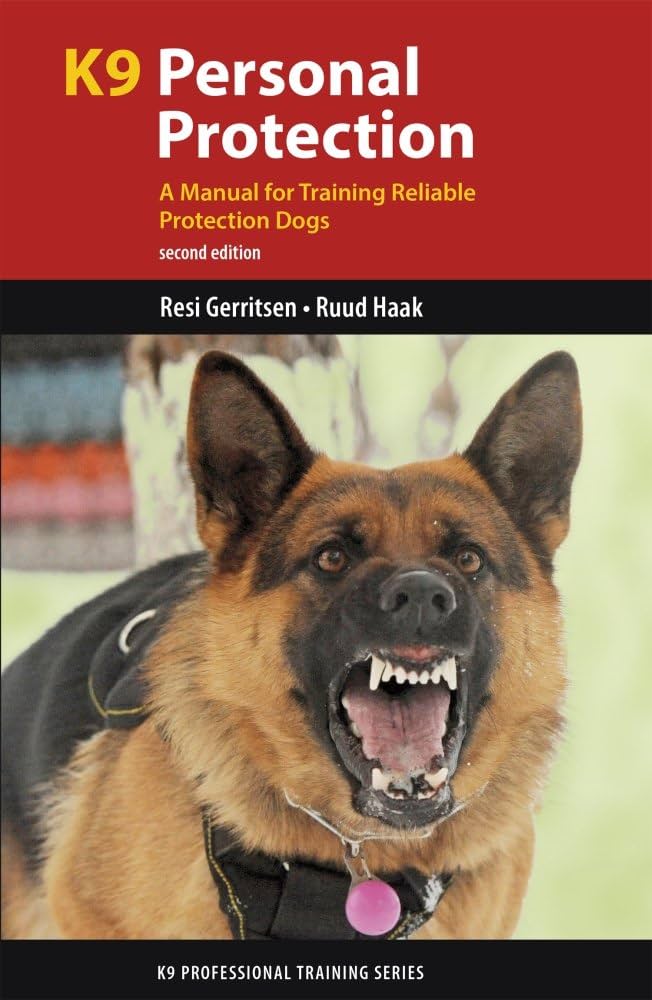
The partnership between law enforcement officers and their canine counterparts is a powerful force in public safety. These highly trained dogs, often referred to as K9 units, play crucial roles in detection, apprehension, and tracking. Behind every successful K9 team is a skilled police dog trainer who meticulously shapes the dog’s abilities and ensures the handler’s proficiency. If you’re passionate about dogs and law enforcement, a career as a police dog trainer might be your calling. This guide will walk you through the essential steps and considerations for embarking on this rewarding path.
Becoming a police dog trainer is not a direct entry-level position but rather a role that typically evolves from extensive experience in law enforcement and canine handling. It requires a deep understanding of canine behavior, a commitment to rigorous training methodologies, and a strong ethical framework.
Understanding the Role of a Police Dog Trainer
A police dog trainer is responsible for selecting, socializing, and training dogs for specific law enforcement duties. This involves working with puppies from an early age or assessing and training dogs acquired from external sources. The trainer also educates and certifies police handlers, ensuring they can effectively work with their K9 partners. The ultimate goal is to create a seamless and reliable bond that enhances public safety.
Key responsibilities include:
- Dog Selection: Identifying breeds and individual dogs with the correct temperament, drive, and physical attributes for police work.
- Basic Obedience and Socialization: Establishing a strong foundation of obedience and ensuring the dog is comfortable in various environments and around different people.
- Specialized Training: Developing skills in areas such as drug or explosive detection, tracking, suspect apprehension, and cadaver recovery.
- Handler Training: Instructing police officers on proper K9 handling techniques, communication, and the legal aspects of K9 deployment.
- Ongoing Training and Certification: Conducting regular training sessions to maintain and enhance the K9 team’s skills and ensuring compliance with departmental and national standards.
- Problem Solving: Addressing behavioral issues or training challenges that may arise with individual dogs or K9 teams.
The Pathway to Becoming a Police Dog Trainer
There isn’t a single, standardized path to becoming a police dog trainer, as it’s often an advanced role within a law enforcement agency or a specialized private security firm. However, several foundational steps and experiences are critical.
1. Gain Law Enforcement Experience
The most common route to becoming a police dog trainer is to first become a sworn law enforcement officer. This provides invaluable insight into police operations, legal frameworks, and the practical demands placed on K9 units. Experience in patrol, investigations, or specialized units can be beneficial. Many successful trainers have served as K9 handlers themselves, gaining firsthand experience with the training process and the handler-dog relationship.
2. Develop Extensive Canine Handling Skills
While on the force, actively seek opportunities to work with or learn about police dogs. This could involve:
- Volunteering: Assisting current K9 handlers or trainers with basic tasks.
- Mentorship: Seeking guidance from experienced police dog trainers within your department or neighboring agencies.
- Continuing Education: Attending workshops, seminars, and basic obedience classes to hone your skills.
3. Acquire Formal Canine Training Education
While experience is paramount, formal education significantly bolsters your credibility and knowledge base. Consider obtaining certifications or completing courses from reputable organizations.
- Professional Dog Training Schools: Many schools offer comprehensive programs in obedience, behavior modification, and specialized training. Look for programs that have a strong emphasis on positive reinforcement and modern training techniques. Some may even offer modules specific to police or protection dog training.
- K9 Training Certifications: Organizations like the North American Police Work Dog Association (NAPWDA), the United States Police Canine Association (USPCA), or the American Working Dog Association (AWDA) offer certifications for handlers and trainers. Achieving these certifications demonstrates a commitment to high standards and a validated level of expertise.
- Behavioral Science Courses: Understanding canine psychology and behavior is fundamental. Courses in animal behavior, ethology, or learning theory can provide a strong scientific underpinning to your training methods.
4. Specialize in Law Enforcement K9 Training
Once you have a solid foundation, you’ll need to focus on the specific needs of police dogs. This involves understanding:
- Breed Selection: Learning about the characteristics of breeds commonly used in police work, such as German Shepherds, Belgian Malinois, Dutch Shepherds, and Labrador Retrievers.
- Detection Training: Mastering techniques for training dogs to detect various substances like narcotics, explosives, or accelerants. This often involves scent discrimination and searching patterns.
- Apprehension and Bite Work: This is a highly specialized area that requires advanced training in control and safety. Trainers must understand the legal and ethical considerations involved in bite work and focus on controlled, precise actions by the dog. Organizations like police dog training suit suppliers often have resources or connections to trainers specializing in this area.
- Tracking and Trailing: Developing a dog’s ability to follow human scent over various terrains and distances.
- Agility and Obstacle Course Training: Ensuring dogs can navigate challenging environments encountered during police work.
5. Build a Network
Connect with other professionals in the field. Attend K9 conferences, join online forums, and reach out to experienced trainers. Sharing knowledge and experiences can provide invaluable insights and open doors to opportunities. Networking is key to understanding the current best practices and challenges in police dog training.
6. Consider Private or Specialized Training Roles
While many police dog trainers work directly for law enforcement agencies, opportunities also exist in:
- Private Security Firms: These companies often train K9 units for specialized security applications, including event security, executive protection, and facility patrols.
- Training Companies: Some businesses specialize solely in training police dogs and their handlers, offering services to various agencies.
- Manufacturer and Supplier Roles: Companies that produce K9 equipment, such as arm protectors for dog training, may employ trainers for product development, testing, or demonstration.
Essential Skills and Qualities for a Police Dog Trainer
Beyond technical expertise, certain personal attributes are crucial for success:
- Patience and Persistence: Training takes time, and dogs learn at different paces. Setbacks are inevitable, and a trainer must remain patient and persistent.
- Strong Communication Skills: The ability to clearly and effectively communicate with both dogs and human handlers is vital. This includes understanding canine body language and providing clear instructions to officers.
- Problem-Solving Abilities: Every dog and handler team presents unique challenges. A good trainer can diagnose problems and develop creative solutions.
- Ethical Conduct and Integrity: Police dog trainers work with highly capable animals and are involved in potentially dangerous situations. Maintaining the highest ethical standards is non-negotiable. This includes prioritizing the dog’s welfare and ensuring all training is conducted humanely and effectively.
- Physical Fitness: The job can be physically demanding, requiring trainers to be in good shape to demonstrate commands, handle dogs, and participate in training exercises.
- Dedication to Safety: The safety of the dog, handler, and the public is paramount. Training protocols must always reflect this commitment.
The Importance of Continuous Learning
The field of canine behavior and training is constantly evolving. New research, techniques, and technologies emerge regularly. To remain an effective police dog trainer, a commitment to lifelong learning is essential. This includes:
- Attending Advanced Seminars and Workshops: Staying current with the latest advancements in scent detection, behavioral science, and training methodologies.
- Reading Industry Publications: Keeping up with research papers, journals, and best practice guides.
- Networking and Collaboration: Learning from peers and sharing experiences.
For those looking to understand more about effective training, resources like best dog to train can offer foundational insights into what makes a dog suitable for demanding roles. Similarly, understanding the tools involved, such as a dog training slip collar, can provide context on the methods used. Ultimately, the journey to becoming a police dog trainer is one of dedication, continuous learning, and a profound passion for working with these incredible animals to enhance public safety. The availability of fully trained service dog for sale options highlights the advanced training achievable, underscoring the skills a trainer must possess.
