
Training a racehorse is a complex, multi-faceted endeavor that requires immense patience, expertise, and dedication. It’s a journey that begins long before a horse ever steps onto the track and continues throughout its racing career. From nurturing a foal’s natural athleticism to refining the skills of a seasoned competitor, the process is as much about building a relationship as it is about athletic development. This guide delves into the intricate world of racehorse training, exploring the methodologies, the milestones, and the ethical considerations that shape these magnificent athletes.
The journey of a racehorse typically begins with foundational training, often referred to as “breaking” or “starting” the horse. This initial phase is crucial for establishing trust and basic communication between horse and handler. Young horses, usually around two years old, are introduced to a saddle and bridle, and taught to respond to the rider’s cues. The goal here isn’t speed or competition, but rather to instill a sense of confidence and cooperation. Handlers focus on ensuring the horse understands basic commands like yielding to pressure, moving forward, and stopping. This groundwork is paramount, laying the foundation for all subsequent training. It’s a delicate process that emphasizes positive reinforcement and gradual exposure to new stimuli, ensuring the horse develops a healthy respect for its handler and the training process. A well-started horse is more likely to progress smoothly into more advanced training stages, reducing the risk of fear-based behavioral issues.
Early Development and Foundation Building
Once a horse is comfortable with basic handling, the focus shifts to developing its physical capabilities and mental acuity. This stage often involves introducing the horse to a more structured exercise regimen. Many aspiring racehorses will spend time on a “round pen” or “long line,” where they learn to move in sync with their handler and develop a sense of rhythm and balance. This controlled environment allows trainers to assess the horse’s gait, stamina, and temperament without the added complexity of a rider. It’s during this period that subtle physical attributes and potential predispositions for specific racing disciplines begin to emerge. Trainers pay close attention to how the horse carries itself, its natural speed, and its response to different types of exertion.
The concept of “trail horse training” can also play a surprising role in the early development of racehorses. Exposing young horses to varied terrain and environments, even if it’s just a gentle trail ride, helps them develop confidence and adaptability. This builds a more robust and well-rounded athlete, less likely to be spooked by novel situations on the racetrack. This broad exposure helps desensitize them to various sights and sounds, making them more focused during actual race training.
Introducing Speed and Conditioning
As the horse matures and demonstrates readiness, the training regimen gradually introduces elements of speed and more intense conditioning. This is where the specific discipline the horse is being trained for—whether it’s flat racing, steeplechase, or harness racing—begins to heavily influence the training program. For flat racing, this typically involves controlled gallops on a training track. Initially, these are short bursts of speed, gradually increasing in duration and intensity.
Trainers use various methods to condition horses, including interval training, steady-state work, and hill work, to build cardiovascular strength, stamina, and muscular power. The use of specialized equipment, such as the “machine” or “paddock chute,” can help introduce horses to the sensations and sounds of a racetrack in a controlled manner. This phased approach ensures the horse’s body is gradually adapted to the demands of racing, minimizing the risk of injury. It’s a delicate balance between pushing the horse to its limits and allowing for adequate recovery. The aim is to enhance performance without causing undue stress or damage to the animal’s developing physique. This period also involves careful monitoring of the horse’s physical condition, with regular veterinary check-ups and assessments of its recovery rates.
Specialized Training and Racing Techniques
Once a horse has developed a solid base of fitness and responsiveness, training becomes more specialized, focusing on racing tactics and refinement. This might include gate training, where horses learn to break cleanly and quickly from the starting gate, a critical skill in competitive racing. Jockeys and trainers work on developing the horse’s racing line, teaching it to run straight and respond effectively to rider cues during the race. This phase often involves practicing race-day scenarios, including pacework, where the horse runs at or near race pace for a specific distance, simulating race conditions.
For those interested in “lipizzaner horse training,” the principles of discipline, strength, and controlled power are paramount, though the ultimate goals differ from flat racing. However, the underlying emphasis on a strong trainer-horse bond and progressive conditioning remains consistent. The development of a racehorse is an ongoing process, with training plans constantly adjusted based on the horse’s performance, physical condition, and individual learning curve. This adaptability is key to success, as every horse is unique and responds differently to various training stimuli. Trainers must be astute observers, capable of recognizing subtle signs of fatigue, stress, or improvement.
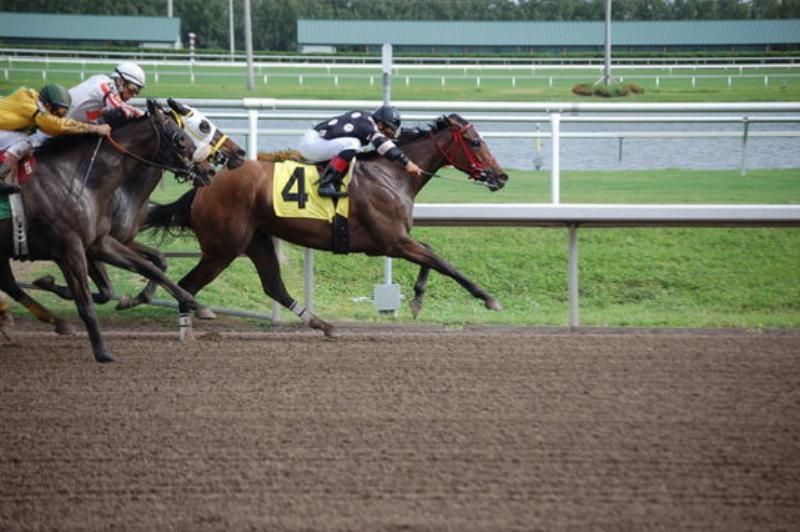 Dynamic photograph of racehorses galloping on a training track with a jockey
Nutrition, Veterinary Care, and Ethics
Underpinning all aspects of racehorse training is a rigorous program of nutrition and veterinary care. A racehorse’s diet is meticulously calibrated to meet its high energy demands while supporting muscle development and recovery. Specialized feeds, supplements, and careful monitoring of water intake are essential components of a successful training regimen. Veterinary care is proactive, focusing on injury prevention through regular soundness checks, dental care, and prompt treatment of any emerging issues. This includes everything from routine vaccinations and deworming to advanced diagnostic imaging and therapeutic interventions.
The ethical treatment of racehorses is a critical consideration that has gained increasing prominence. Responsible trainers prioritize the horse’s well-being, ensuring they are not pushed beyond their physical or mental limits. This involves understanding equine behavior, providing adequate rest and recovery periods, and making informed decisions about a horse’s racing career, including retirement. The notion that “horse groom training” is just about cleaning is a misconception; skilled grooms are integral to monitoring a horse’s daily condition, spotting early signs of discomfort or illness, and ensuring their environment supports their overall health and performance. Adherence to established guidelines and regulations set forth by racing authorities is also crucial for maintaining the integrity of the sport and the welfare of the horses.
Conclusion: The Art and Science of Racehorse Training
Training racehorses is a sophisticated blend of art and science, demanding a deep understanding of equine physiology, psychology, and biomechanics. It requires a trainer to be part artist, intuitively guiding the horse’s development, and part scientist, applying evidence-based conditioning and nutritional strategies. The ultimate goal is to unlock the horse’s full potential while ensuring its health, safety, and well-being throughout its racing life and beyond. Whether it’s the thrill of “Santa Anita horse racing tips” or the disciplined elegance of other equestrian sports, the foundation of success lies in the meticulous, compassionate, and expert training that transforms a horse into an athlete. The journey is long, often challenging, but the bond forged and the achievements realized make it a profoundly rewarding pursuit for all involved.
