
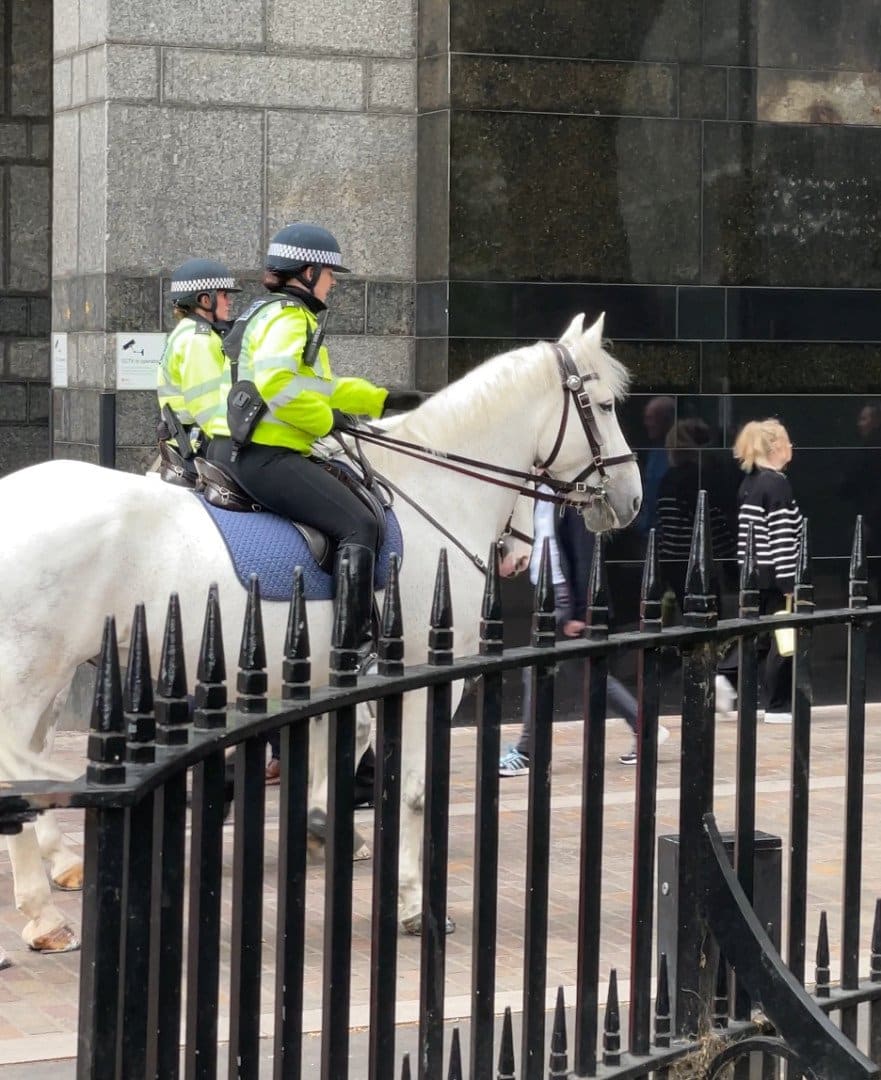
The partnership between law enforcement and horses is a long-standing tradition, blending the unique capabilities of these magnificent animals with the needs of public safety. Training a police horse is a meticulous and demanding process, requiring patience, expertise, and a deep understanding of equine psychology. It’s far more than just teaching a horse to carry a rider; it involves instilling confidence, desensitizing them to the chaos of urban environments, and fostering a strong bond with their handler. The goal is to create a reliable, responsive partner capable of working effectively in high-stress situations, ensuring both officer and public safety.
Understanding the Role of Police Horses
Police horses, often referred to as equines in law enforcement, are invaluable assets in various policing duties. Their mere presence can be a powerful deterrent, and their elevated height provides officers with a superior vantage point for crowd control and surveillance. They are particularly effective in navigating crowds, parks, and areas inaccessible to vehicles. The training regimen is specifically designed to equip them for these unique challenges.
Selecting the Right Candidate: Foundation for Success
Not every horse is suited for police work. The selection process is rigorous, focusing on temperament, athleticism, and trainability. Ideal candidates are typically calm, confident, and curious, rather than fearful or flighty. They should possess a sturdy build, good conformation, and sound health to withstand the demands of the job. Breeds like Quarter Horses, Thoroughbreds, and Belgian Draft crosses are often favored for their combination of strength, stamina, and sensible dispositions. Early exposure to various environments and stimuli during their formative months can also be a significant advantage.
The Foundation of Training: Building Trust and Desensitization
The cornerstone of police horse training is building a strong foundation of trust between the horse and the handler. This begins with basic obedience and groundwork, establishing clear communication and respect. Desensitization is a critical phase, exposing the horse to a wide array of sights, sounds, and objects they will encounter on duty. This includes:
- Loud Noises: Sirens, fireworks, gunshots, and the general cacophony of a city.
- Unusual Objects: Riot shields, flags, bicycles, skateboards, and other potential perceived threats.
- Crowds: Exposure to large groups of people, including their movements and noise levels.
- Vehicles: Familiarization with cars, motorcycles, and other large moving objects.
- Water and Different Surfaces: Training to cross water obstacles, walk on various terrains, and navigate uneven surfaces.
This process is gradual and systematic, using positive reinforcement to help the horse associate these stimuli with safety and reward, rather than fear. Patience is paramount, ensuring the horse never feels overwhelmed.
Mounted Patrol Training: On the Job Skills
Once a horse is desensitized and comfortable with its handler, specialized mounted patrol training begins. This phase focuses on the practical application of their skills in a law enforcement context.
Crowd Control Techniques
Training for crowd control involves teaching the horse to remain calm and steady amidst agitated or moving crowds. This includes:
- Line and Wedge Formations: Learning to work in formation with other police horses and riders to create barriers or direct crowd movement.
- Responding to Commands: Executing precise movements and turns as directed by the rider, often in response to specific signals.
- Maintaining Position: Holding a steady position even when individuals attempt to approach or agitate the horse.
This requires the horse to be unfazed by close contact, sudden movements, and loud verbal commands from both officers and the public.
Patrol and Navigation
Police horses must be adept at patrolling various environments, from busy urban streets to rural trails. This involves:
- Navigating Obstacles: Safely moving through gates, around parked vehicles, and over varied terrain.
- Responding to Apprehensions: Training to work in situations that may involve suspect apprehension, maintaining focus and control.
- Search and Rescue Support: Familiarization with tasks that might assist in search operations.
The horse needs to be responsive to the rider’s subtle cues, allowing for precise maneuvering in potentially complex situations.
Officer-Horse Communication and Bonding
The bond between the police horse and its handler is crucial. Training emphasizes developing a deep level of trust and communication. Handlers learn to read their horse’s body language and respond accordingly, while horses learn to trust their rider’s guidance implicitly. This symbiotic relationship ensures effective teamwork during critical incidents. This intensive training is similar to how how to train a police horse requires a strong partnership.
Advanced Training and Ongoing Development
The training of a police horse is not a one-time event. Continuous reinforcement and advanced training are necessary to maintain their skills and adapt to new challenges. This might include specialized training for specific units, such as K9 support or ceremonial duties. The development of police horses has parallels with other specialized animal training, such as that for search and rescue dogs, where ongoing practice is key.
Addressing Challenges in Police Horse Training
While rewarding, training police horses comes with its challenges. Some horses may struggle with desensitization, requiring more time and a different approach. There’s also the ongoing need for specialized facilities and experienced trainers. The commitment to dark horse law enforcement training highlights the dedication required to overcome these hurdles. Furthermore, ensuring the well-being of these animals, including proper veterinary care and retirement plans, is a significant ethical consideration for all law enforcement agencies that utilize mounted units. The availability of trained police horses for sale often reflects the extensive training these animals have already undergone.
Conclusion: A Partnership Built on Trust and Training
The training of police horses is a testament to the remarkable capabilities of these animals and the dedication of their handlers. It’s a process that transforms a noble creature into a trusted partner in public service, capable of handling diverse and demanding situations with courage and composure. The success of a mounted unit hinges on this rigorous training, ensuring a safe and effective collaboration between horse and rider for the benefit of the community. Understanding the intricacies of pole training for horses can offer insights into the detailed work involved in training specialized equine units. The unfortunate reality of a horse trainer missing underscores the specialized nature and value of individuals dedicated to this demanding profession.
