
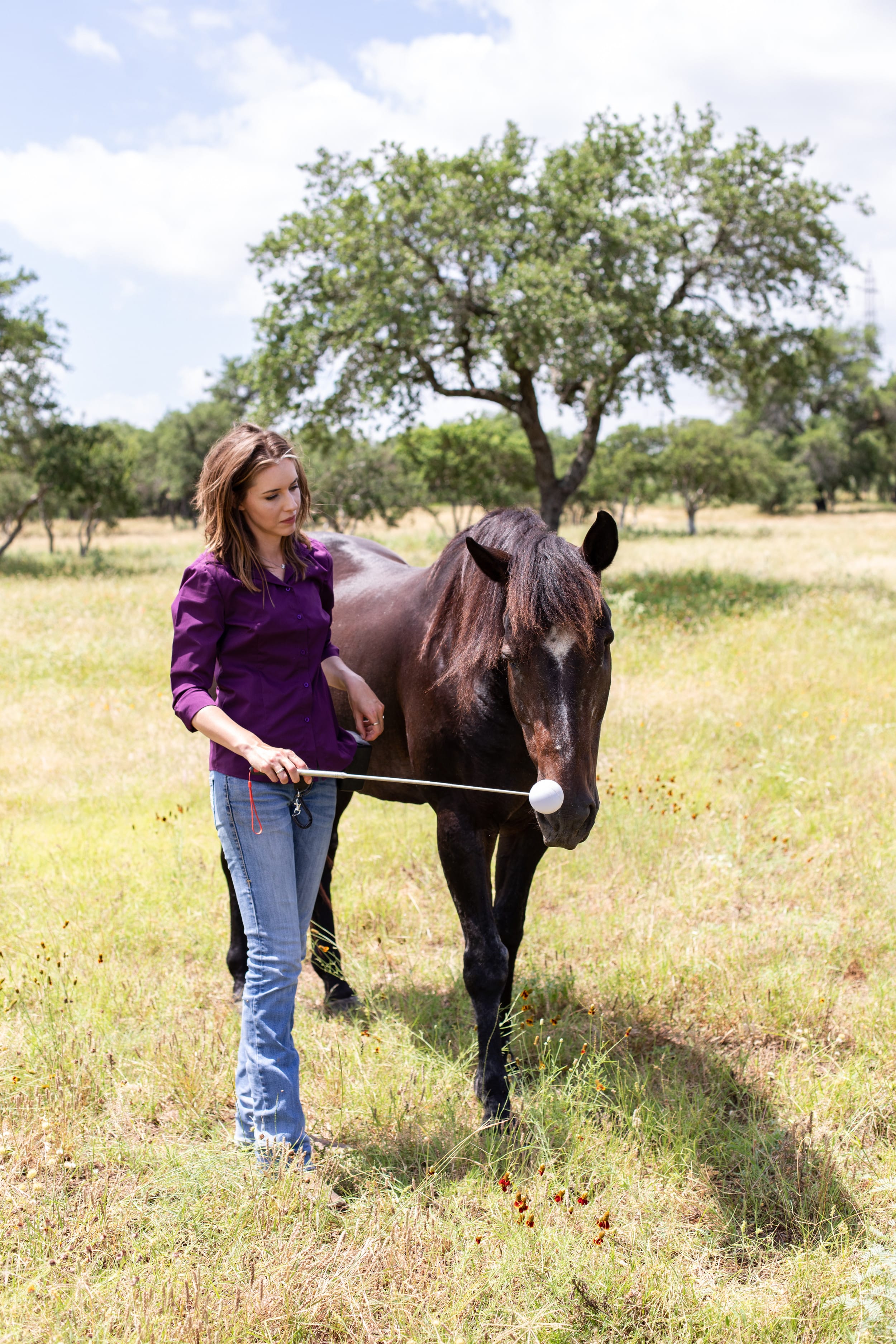
Training a horse is a journey that requires patience, understanding, and a deep connection between human and animal. It’s a process that has evolved over centuries, blending tradition with modern techniques to foster trust, obedience, and athletic performance. Whether for pleasure riding, competitive sports, or working roles, the way horses are trained forms the bedrock of their relationship with us and their capabilities.
The Foundation of Horse Training: Building Trust and Communication
At its core, horse training is about establishing clear communication and mutual respect. Horses are prey animals, so their natural instincts involve flight when they feel threatened. Effective training works with these instincts, not against them, to build confidence and willingness. This foundation is built through consistent, fair, and positive interactions, ensuring the horse understands what is being asked and feels safe in doing so.
Understanding Equine Psychology
To train a horse effectively, one must first understand how they think and perceive the world. They learn through association and repetition, and they respond best to clear, consistent cues. Fear-based training methods, while sometimes appearing to yield quick results, can damage the horse’s trust and lead to behavioral problems in the long run. Modern horsemanship emphasizes reward-based systems and understanding the horse’s emotional state.
The Role of the Trainer
A skilled horse trainer acts as a translator, bridging the communication gap between human language and equine body language. They must be observant, adaptable, and possess a deep knowledge of equine behavior, anatomy, and learning theory. The trainer’s goal isn’t just to make the horse perform a task, but to develop a willing partner that understands and responds to cues with confidence.
Essential Training Techniques and Methods
Various methods exist in horse training, each with its own philosophy and approach. However, many effective techniques share common principles focused on positive reinforcement and clear communication.
Positive Reinforcement
This method involves rewarding desired behaviors, making the horse more likely to repeat them. Rewards can include a gentle pat, a scratch in a favorite spot, a verbal affirmation, or a small treat. When a horse offers a correct response to a cue, the trainer immediately reinforces it. This helps the horse associate the cue with a positive outcome, fostering eagerness to learn.
Clicker Training
A popular form of positive reinforcement, clicker training uses a distinct sound (the click) to mark the exact moment the horse performs the desired behavior. The click is immediately followed by a reward. This precise marking helps the horse understand precisely what action earned them the reward, accelerating the learning process.
Natural Horsemanship
This approach, popularized by trainers like Pat Parelli and Buck Brannaman, focuses on understanding and mimicking how horses interact in a herd. It emphasizes groundwork, where the trainer uses body language and pressure-and-release techniques to establish leadership and build a partnership before riding. The goal is to create a horse that voluntarily follows and respects the handler.
Pressure and Release
This fundamental technique involves applying gentle pressure to guide the horse, and then releasing that pressure the moment the horse yields or responds correctly. This teaches the horse to yield to pressure and understand directional cues. For example, applying slight pressure to the lead rope encourages the horse to move forward, and releasing the pressure as soon as they step off signifies a reward.
Groundwork: The Crucial First Steps
Before a horse is ever ridden, extensive groundwork is essential. This phase focuses on teaching the horse to respond to cues from the ground, establishing trust, and preparing them for the rider.
Halter Breaking and Leading
Teaching a foal or young horse to accept a halter and lead rope is a fundamental part of groundwork. This involves patiently introducing the equipment and teaching the horse to yield to gentle pressure, moving with the handler. It’s a crucial step in building basic obedience and the horse’s confidence in human guidance.
Desensitization
Horses can be spooked by unfamiliar objects or sounds. Desensitization involves gradually exposing the horse to various stimuli—like flapping tarps, plastic bags, or even the feel of a saddle pad—in a controlled and calm manner. By pairing these exposures with positive reinforcement, the horse learns that these novelties are not a threat, making them more reliable under saddle.
Lunging
Lunging involves working the horse in a circle at the end of a long rope or lunge line. This exercise helps teach voice commands, improves the horse’s fitness and balance, and allows the trainer to assess the horse’s movement and responsiveness before riding. It’s also a valuable tool for exercising a horse that may need to be worked without a rider.
Starting Under Saddle: Introducing the Rider
Introducing a rider to a horse is a significant milestone that must be handled with care and a gradual approach. The horse needs to become accustomed to the weight and presence of a rider before any formal riding instruction begins.
Acclimatization to the Saddle
The process begins with introducing the saddle pad, then the saddle itself, allowing the horse to get used to the feel and weight. This is done patiently over several sessions, ensuring the horse remains calm and relaxed.
The First Rides
The initial rides are typically short and focused on the horse accepting the rider’s weight and basic cues like walking forward. The trainer often works the horse from the ground simultaneously, guiding both the horse and the rider to ensure a safe and positive experience. The goal is for the horse to understand that the rider’s presence is not frightening and that they should respond to the rider’s cues.
Disciplines and Specialized Training
Once a horse is confidently ridden, training often becomes specialized based on the intended discipline.
Dressage
Dressage training focuses on developing a horse’s natural athleticism and responsiveness to subtle cues, aiming for elegant and harmonious movements. This requires extensive training in collection, impulsion, and precise transitions. The goal is for the horse to perform a series of predetermined movements with grace and precision, demonstrating a deep connection with the rider. Training for high-step movements, for example, demands a precise understanding of the horse’s biomechanics and responsive training.
Show Jumping
For show jumping, horses are trained to navigate a course of obstacles, requiring athleticism, courage, and excellent rider communication. Training involves practicing jumping various types of fences, developing technique, and building confidence over challenges. The focus is on the horse’s ability to clear obstacles safely and efficiently while maintaining a good rhythm and stride.
Western Riding
Western disciplines, such as reining, cutting, and trail riding, emphasize a horse’s responsiveness to subtle cues, often with a looser rein. Training involves developing specific maneuvers like spins, stops, and lead changes, all performed with a calm and collected demeanor. The horse is trained to work independently at times, responding to the rider’s body language and slight shifts in weight.
Eventing
Eventing combines the disciplines of dressage, cross-country jumping, and show jumping into a rigorous three-day competition. Horses trained for eventing need to be versatile, courageous, and physically conditioned to perform across all three phases. This type of training demands a high level of fitness and mental fortitude from both horse and rider.
Continued Education and Mastery
Horse training is a lifelong pursuit. Even experienced horses benefit from ongoing training to maintain their skills, refine their movements, and strengthen their bond with their riders. Continuous learning ensures that the horse remains a willing and capable partner throughout its life.
Training Aids and Equipment
While the core of training is communication and trust, certain training aids can assist the process. These might include lunging whips, training boots, or specialized bits, used judiciously and ethically to aid communication and prevent unwanted behaviors. For instance, [training horse boots] can offer support and protection during strenuous activities, aiding in consistent performance. However, it’s crucial that these aids are used to enhance understanding, not to force compliance.
Maintaining a Horse’s Education
Just as humans benefit from continuous learning, so do horses. Regular training sessions keep their minds engaged and their bodies conditioned. This might involve practicing learned skills, introducing new challenges, or simply reinforcing basic obedience. For example, understanding [how to hobble train a horse] can be a useful skill for management and safety in certain situations, requiring patient and consistent application.
Ethical Considerations in Horse Training
The future of horsemanship lies in ethical practices that prioritize the horse’s well-being. This means training with empathy, understanding, and a commitment to the horse’s physical and emotional health.
The Importance of Patience and Consistency
Rushing the training process or being inconsistent with cues can lead to confusion and frustration for the horse. Patience allows the horse to learn at its own pace, while consistency ensures clear communication. This builds a reliable partnership based on mutual understanding.
Recognizing Signs of Stress or Discomfort
A key aspect of ethical training is being attuned to the horse’s signals. Signs of stress, fear, or pain must be recognized and addressed immediately. This might involve re-evaluating the training method, consulting a veterinarian, or simply giving the horse a break.
The Horse-Human Bond
Ultimately, the most rewarding aspect of horse training is the deepening of the bond between horse and human. When training is approached with respect and understanding, it transforms into a partnership built on trust, communication, and shared experiences. This connection is the true “Equine Excellence.”
