
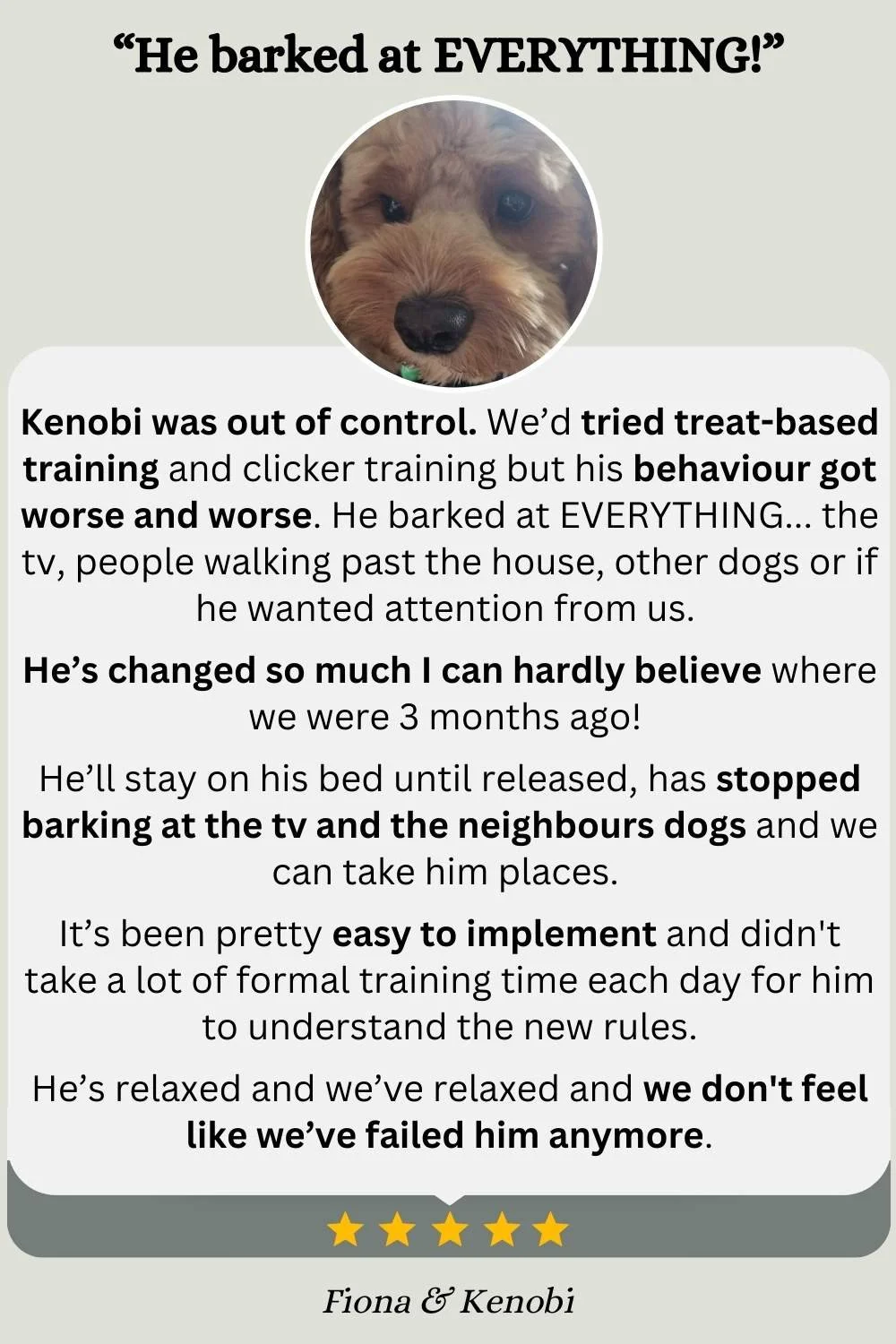
Understanding why your dog barks is the first step to managing excessive barking. Dogs bark for many reasons: to alert you to something, out of excitement, for attention, due to boredom, or even out of anxiety or fear. Identifying the root cause is crucial for implementing the right training strategies. This guide will delve into effective methods to help you train your dog not to bark excessively, fostering a quieter and more peaceful environment for both you and your furry companion.
Understanding Canine Communication: Why Dogs Bark
Before we dive into training techniques, let’s explore the common reasons behind canine vocalizations. Barking is a natural form of communication for dogs, and not all barking needs to be stopped. However, when it becomes excessive, it can be disruptive.
- Alert Barking: This is a dog’s natural instinct to warn its owner of perceived danger or the presence of strangers. It’s often a sharp, loud bark.
- Excitement Barking: Many dogs bark when they’re happy, anticipating a walk, or during playtime. This bark is usually higher-pitched and accompanied by wagging tails and other happy body language.
- Attention-Seeking Barking: Some dogs learn that barking gets them what they want, whether it’s food, a toy, or your attention. They’ll bark persistently until their needs are met.
- Boredom/Loneliness Barking: Dogs that are left alone for long periods or don’t receive enough mental and physical stimulation may bark out of boredom or loneliness. This can sound like a monotonous, repetitive bark.
- Fear/Anxiety Barking: This type of barking is often a response to something that frightens the dog, such as thunderstorms, fireworks, or unfamiliar sounds. It can also stem from separation anxiety.
- Compulsive Barking: In some cases, barking can become a compulsive behavior, similar to a human tic. This often requires professional intervention.
How Do I Train My Dog Not to Bark at Strangers?
When your dog barks at strangers approaching your home or in public, it’s often a form of alert or territorial barking. The key here is to desensitize your dog to the presence of strangers and teach them that their presence is not a threat.
- Management: When you know someone is coming over, ensure your dog is in a secure, comfortable place like a crate or another room with a favorite chew toy. This prevents them from rehearsing the barking behavior.
- Counter-Conditioning: When your dog sees a stranger (from a distance where they don’t bark), immediately give them a high-value treat. The goal is to create a positive association with strangers. As the stranger gets closer, continue rewarding your dog. If they start barking, the stranger is too close, and you need to increase the distance.
- “Quiet” Command: When your dog barks, let them bark once or twice. Then, get their attention with a treat or toy. As soon as they pause to look at you, say “Quiet” and give them the treat. Gradually increase the duration they need to be quiet before receiving the reward.
- Socialization: Proper socialization from a young age is vital. Expose your puppy to a variety of people, sights, and sounds in a positive way. This helps them learn that unfamiliar things aren’t necessarily scary.
Training Your Dog Not to Bark for Attention
If your dog barks specifically to get your attention, the most effective strategy is to withhold that attention when they bark. This can be challenging, as even negative attention (like yelling) can be reinforcing for some dogs.
- Ignore the Barking: When your dog barks for attention, turn away, avoid eye contact, and do not speak to them. Wait for a moment of silence.
- Reward the Silence: The instant your dog stops barking, even for a second, calmly praise them and offer a treat or gentle petting. This teaches them that quiet behavior earns rewards.
- Teach an Alternative Behavior: Train your dog to do something else to get your attention, such as sitting politely or nudging your hand. Reward these appropriate behaviors.
- Provide Enough Stimulation: Ensure your dog is getting enough physical exercise and mental stimulation throughout the day. A tired dog is often a quieter dog.
How Do I Train My Dog Not to Bark When Left Alone?
Barking when left alone is a common sign of separation anxiety or boredom. Addressing this requires patience and a multi-faceted approach.
- Desensitize to Departure Cues: Dogs often pick up on cues that you’re about to leave (picking up keys, putting on shoes). Practice these actions randomly throughout the day without actually leaving. This helps to lessen their association with your departure.
- Gradual Departures: Start by leaving for very short periods (a few minutes) and gradually increase the duration as your dog becomes more comfortable. Always return when they are calm.
- Provide Engaging Distractions: Leave your dog with safe, long-lasting chew toys or puzzle feeders filled with treats. This can keep them occupied and reduce anxiety.
- Exercise and Mental Stimulation: Ensure your dog has had sufficient exercise before you leave. A mentally and physically tired dog is less likely to experience separation anxiety.
- Consider a “Safe Space”: A crate can serve as a den for some dogs, making them feel secure. However, never use a crate as punishment, and ensure your dog is comfortable and happy in it.
- Professional Help: If separation anxiety is severe, consult a veterinarian or a certified professional dog trainer. They may recommend behavioral modification techniques or, in some cases, medication.
Dealing with Excitement Barking
Excitement barking is usually a happy sound, but it can still be overwhelming. The goal here is to teach your dog to control their excitement and remain calm.
- Practice Calm Greetings: When you come home, greet your dog calmly. Only give them attention once they have settled down. This teaches them that calm behavior is what earns praise.
- “Sit” or “Down-Stay” Command: Practice having your dog sit or lie down and stay while you go through your greeting routine. Reward them for remaining calm.
- Manage Exciting Situations: If certain situations consistently trigger excessive excitement barking (like visitors arriving), manage the situation by having your dog on a leash or in a designated spot until they can greet guests calmly.
- Reinforce Calmness: Whenever you see your dog being calm, especially in situations that would normally elicit barking, reward them.
How Do I Train My Dog Not to Bark at Noises?
Fear or reaction to noises can be challenging to overcome. This often involves a combination of desensitization and counter-conditioning.
- Identify the Trigger: Pinpoint the specific noises that cause your dog to bark (doorbell, thunder, sirens, etc.).
- Sound Desensitization: Play recordings of these noises at a very low volume while your dog is relaxed and engaged in a pleasant activity (like eating or playing).
- Gradual Increase: Slowly increase the volume of the recording over many sessions, always ensuring your dog remains calm and happy. If your dog shows signs of stress or starts barking, the volume is too high, and you need to go back to a lower level.
- Positive Reinforcement: Pair the sound with something positive, like a favorite treat or toy. The goal is for your dog to associate the sound with good things.
- “Place” Command: Teach your dog to go to a designated “place” (like their bed) when a trigger sound occurs. Reward them for staying there calmly.
- Consult a Professional: For severe noise phobias, seeking guidance from a certified veterinary behaviorist or a professional trainer is highly recommended. They can help develop a tailored plan.
Essential Tools and Techniques for Bark Training
When embarking on bark training, certain tools and consistent techniques can be highly beneficial.
- High-Value Treats: Use small, extremely palatable treats that your dog loves and only gets during training sessions. This makes the rewards more impactful.
- Positive Reinforcement: Focus on rewarding the behaviors you want to see (silence, calm greetings) rather than punishing barking. Punishment can often exacerbate fear or anxiety, leading to more barking.
- Consistency is Key: All members of the household must be on the same page and use the same training methods consistently. Inconsistency will confuse your dog and hinder progress.
- Patience: Training takes time. Some dogs learn quickly, while others require weeks or months of consistent effort. Celebrate small victories and don’t get discouraged by setbacks.
- Professional Guidance: Never hesitate to seek help from a certified professional dog trainer or a veterinary behaviorist. They can assess your dog’s specific situation and provide personalized strategies.
The Role of Mental Stimulation and Exercise
A tired dog is a well-behaved dog. Many barking issues stem from pent-up energy and lack of mental engagement.
- Daily Exercise: Ensure your dog gets adequate physical activity every day, tailored to their breed, age, and energy level. This could include walks, runs, fetch, or swimming.
- Mental Enrichment: Engage your dog’s mind with puzzle toys, training sessions, scent games, or learning new tricks. Mental stimulation can be just as tiring as physical exercise and is crucial for preventing boredom and frustration. This is where resources like dog daycare and train near me can be incredibly helpful in providing structured activities.
When to Seek Professional Help for Barking
While many barking issues can be resolved with consistent training and management, some situations warrant professional intervention. Consider seeking help from a qualified professional if:
- The barking is sudden and intense, possibly indicating a medical issue.
- The barking is severe and accompanied by other signs of distress, such as aggression, destructiveness, or panic.
- You suspect separation anxiety is the root cause.
- You’ve tried various methods consistently but have seen little to no improvement.
- You feel overwhelmed or unsure how to proceed.
Professionals can offer specialized techniques and support, and sometimes, a combination of training and medication might be necessary for conditions like severe anxiety. Exploring options like dog grooming training jobs or understanding dog training quincy ma can also be part of a broader approach to canine well-being, but for specific behavioral issues, targeted professional help is often best. Localized expertise, such as dog training maryville tn or partners dog training in cave creek, can provide tailored solutions.
Conclusion: Cultivating a Quieter Canine Companion
Training your dog not to bark excessively is a journey that requires understanding, patience, and consistency. By identifying the cause of the barking, implementing appropriate training techniques, ensuring sufficient exercise and mental stimulation, and seeking professional help when needed, you can significantly reduce unwanted barking. Remember, the goal isn’t to eliminate barking entirely, but to manage it effectively so you can enjoy a harmonious life with your beloved canine companion.
