
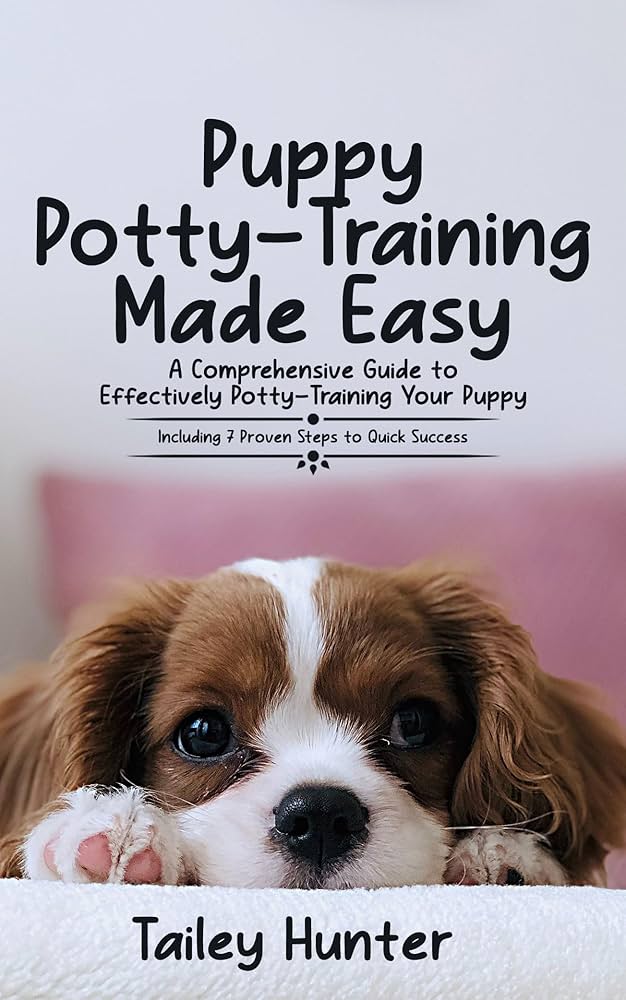
Bringing a new puppy home is an exciting time, filled with joy and playful antics. However, it also comes with the significant responsibility of housebreaking. Successful potty training requires patience, consistency, and a deep understanding of your puppy’s needs. This guide will walk you through the essential steps to ensure your furry friend becomes a well-behaved member of your household.
A consistent feeding schedule is paramount to successful potty training. Puppies have developing bladders and bowels, and establishing a regular routine for meals helps predict when they’ll need to relieve themselves. Feeding your puppy at the same times each day encourages predictable potty breaks, making the training process much smoother. To further aid in this, remove your puppy’s water dish about two and a half hours before bedtime. This proactive measure significantly reduces the likelihood of overnight accidents. Most puppies can comfortably sleep for around seven hours without needing a bathroom break. If your puppy does wake you during the night, it’s crucial to remain calm. Quietly take them outside to their designated potty spot, offer a brief potty opportunity, and then return them to their bed without turning it into an extended playtime, which could inadvertently encourage nighttime awakenings.
Close Supervision Indoors is Key
Until your puppy is reliably house-trained, constant supervision indoors is non-negotiable. When you cannot actively engage in training or play, tether your puppy to yourself or a nearby piece of furniture using a 6-foot leash. This keeps them close and allows you to promptly recognize any signs that they need to go outside.
Be vigilant for these common signals:
- Barking or scratching at the door: This is a clear indication they need to be let out.
- Circling or sniffing the floor: These behaviors often precede elimination.
- Restlessness or sudden squatting: These are immediate cues to act.
The moment you notice any of these signals, immediately escort your puppy to their designated potty spot. If they successfully eliminate, offer them immediate praise and a small reward. This positive reinforcement is crucial for them to associate the correct behavior with a positive outcome. For added security during the housebreaking phase, keep your puppy on a leash even when they are in the yard. Treat the yard as an extension of your indoor space, maintaining supervision until they are reliably trained.
Strategic Confinement for Training Success
When your direct supervision isn’t possible, strategic confinement plays a vital role. Restrict your puppy to a small, manageable area where they are unlikely to have an accident. Options include a section of a bathroom or laundry room, effectively blocked off with baby gates. Alternatively, crate training is a highly recommended, reliable, and humane method for confinement. A crate mimics a den, a natural instinct for dogs, and puppies are generally hesitant to soil their sleeping area. If your puppy has been confined for several hours, it’s imperative to take them straight to their designated potty spot as soon as you release them.
Navigating Potty Training Accidents
Accidents are an inevitable part of the potty training journey, and it’s essential to handle them with grace and understanding. Rather than resorting to punishment, which can lead to fear and hinder progress, focus on a calm and corrective approach.
Here’s how to effectively manage accidents:
- Calmly take your puppy to their designated outdoor potty spot.
- Offer praise and reward if they finish their business there.
- Never punish your puppy for accidents. Scolding or rubbing their nose in it will only create anxiety and make them fearful of you, which will slow down the training process.
Crucially, clean soiled areas thoroughly to eliminate any lingering scents that might encourage repeat accidents in the same spot. Using an enzymatic cleaner specifically designed for pet messes is highly effective in breaking down the odor molecules.
Planning for Your Absence
If your daily schedule requires you to be away from home for more than four to five hours, it’s important to consider if now is the right time for a puppy. An alternative for busy individuals might be to adopt an older, already house-trained dog. However, if you are committed to a puppy, strategic planning is essential for their well-being and training continuity.
If you must leave your puppy alone for extended periods:
- Arrange for a trusted neighbor or professional pet sitter to provide essential bathroom breaks and supervision. This ensures your puppy’s needs are met and training isn’t disrupted.
- Alternatively, you can train them to use indoor potty options such as pee pads, newspapers, or a designated sod box. It’s important to note that while indoor potty training offers convenience, it can sometimes prolong the process of achieving reliable outdoor housebreaking. When using indoor options, a helpful tip is to place soiled paper towels or rags in the designated outdoor potty area to help your puppy associate the scent with the correct bathroom location.
Final Thoughts on Potty Training
Patience, unwavering consistency, and positive reinforcement are the cornerstones of successful potty training. By adhering to a regular schedule, diligently supervising your puppy, and responding to accidents with understanding and corrective guidance, you are laying a strong foundation for your new companion’s success in your home. Remember, every puppy learns at their own pace, and with dedication, you and your puppy will navigate this training period successfully.
