
One of the most common challenges faced by multi-pet households is managing the natural instincts of dogs, particularly their prey drive, when living alongside cats. This behavior, while often not malicious, can be incredibly stressful for your feline companion and disruptive to household harmony. Understanding the root cause of this chasing behavior and implementing effective training techniques are crucial for fostering a peaceful co-existence between your canine and feline friends.
This article delves into practical, shelter-approved methods to curb your dog’s chasing habits, ensuring both your pets feel safe and comfortable in their shared home. We’ll also explore an interesting side note on why many dogs have an inexplicable fondness for peanut butter, a popular treat that often sparks questions among pet owners.
Understanding and Managing Dog-Cat Chasing Behavior
Many dogs possess a natural prey drive, which can manifest as chasing smaller, faster-moving animals like cats. This isn’t necessarily a sign of aggression, but rather an instinctual reaction. However, it can terrify cats and potentially lead to injuries for both pets. Yelling at your dog is often ineffective, as it might not understand why it’s being scolded, or it might even perceive the attention as a reward. The key is to interrupt the behavior and redirect their focus in a way they understand.
The Ingenious Bottle Cap Trick
One remarkably effective method, shared by experienced pet owners, involves using a simple noise distraction. The technique is quite genius: collect several bottle caps, place them inside a washcloth, and tie it securely to form a small, rattling pouch. Keep multiple such pouches strategically placed around your house, ensuring they are easily accessible.
When your dog starts chasing your cat, immediately toss one of these bottle cap pouches against a wall or the floor, creating a sudden, startling rattling sound. The noise will snap your dog out of its prey-driven state, causing it to look for the source of the sound. This is your window of opportunity. As soon as your dog looks away from the cat, call it over to you. When it comes, praise it calmly and offer a small treat. The chase effectively ends, and your dog begins to associate stopping the chase with positive reinforcement from you.
The brilliance of this method lies in the dog’s perception: it doesn’t directly link the noise or “punishment” to you. Instead, it associates the unpleasant sound with the act of chasing the cat, and your positive call-back and praise with disengaging from the chase. Consistency is vital for this method to be successful.
Other Effective Noise Distractions and Training Aids
Similar to the bottle cap trick, another popular noise-based deterrent involves using coins in a soda can. The loud, sharp sound produced by shaking a can filled with coins can effectively interrupt unwanted behaviors. This noise is distinct and unlikely to be heard otherwise, making it a powerful tool for behavioral interruption. Remember, the goal is to startle and interrupt, not to scare or punish. do spray bottles work to train cats
Beyond noise, positive reinforcement plays a crucial role. Always praise your dog lavishly when it stops chasing and comes to you. This reinforces the desired behavior and helps your dog understand that disengaging from the cat earns positive attention and rewards. Over time, your dog will learn that chasing the cat leads to an unpleasant surprise (the noise) and stopping leads to good things from you. This is a fundamental principle in effective pet training. what can you train cats to do
Creating Safe Havens for Your Cat
While training your dog is essential, providing your cat with safe escape routes and inaccessible areas is equally important for its well-being. Consider cutting a cat-sized hole into a door, allowing your cat to retreat to a dog-free zone when feeling threatened or simply needing a break. These dedicated “cat-only” spaces can significantly reduce a cat’s stress levels and provide them with a sense of security. Elevated perches, cat trees, and shelves also offer vertical escape routes, which cats instinctively seek when feeling vulnerable. These physical boundaries and safe zones are critical for helping your feline feel secure and preventing unwanted interactions. leash train a cat
For initial training and house-training phases, especially with new pets, using tools like training pads for cats can help establish boundaries and routines, fostering a calmer environment for both species. Establishing clear boundaries for both species is crucial for reducing conflict.
The Curious Case of Dogs and Peanut Butter
Beyond behavioral challenges, many pet owners are fascinated by their dog’s intense love for peanut butter. It’s a common treat used for everything from hiding medication to distracting them during bath time. The simple act of reaching for the jar often sends dogs into a frenzy of excitement.
The Irresistible Allure: Sugar, Fat, and Salt
The primary reason behind dogs’ (and surprisingly, some cats and even birds’) adoration for peanut butter likely boils down to its rich composition: sugar, fat, and salt. These ingredients are highly palatable to most animals, just as they are to humans. Our furry friends, much like us, are drawn to flavors that offer an immediate sense of reward. This makes commercial peanut butter a high-value treat in their eyes. play cat stevens peace train
Medicinal Use and Important Cautions
While a fantastic tool for administering medication, peanut butter should be used sparingly due to its high fat content. Excessive consumption can lead to weight gain, pancreatitis, or other health issues. When choosing peanut butter for your pet, it’s crucial to check the label for xylitol, an artificial sweetener that is highly toxic to dogs, even in small amounts. Always opt for xylitol-free peanut butter.
Interestingly, many dogs show less enthusiasm for natural peanut butter, which contains only crushed peanuts and no added sugar or salt. This highlights that their preference often leans towards the less healthy, processed versions, mirroring human tendencies to prefer sugary, fatty foods over healthier alternatives. Just like us, pets enjoy what tastes good, even if it’s not always the best for them.
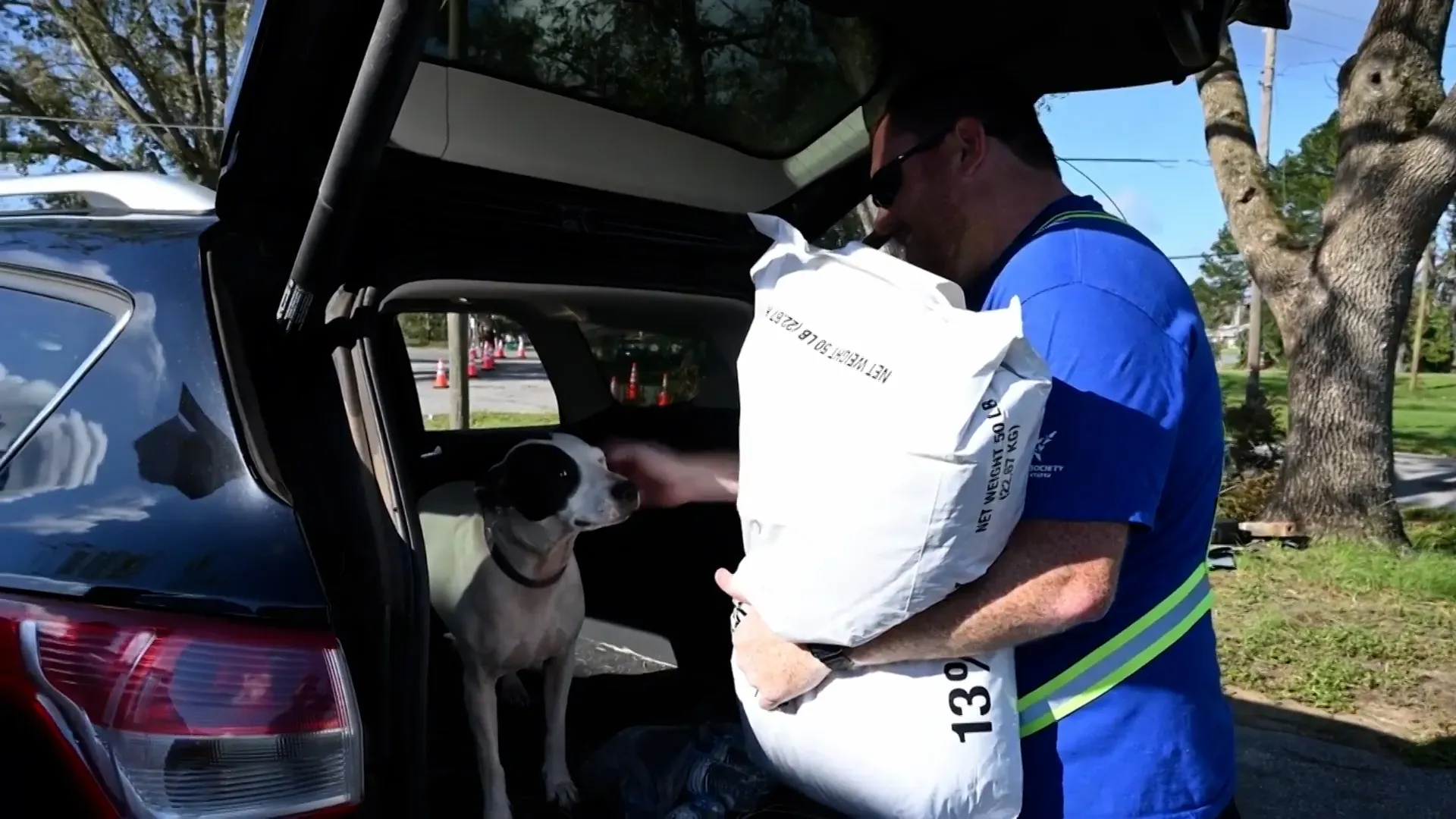 Humane society helps pets and people in Florida, Tennessee after Helene
Conclusion
Creating a harmonious home for both dogs and cats requires understanding their natural instincts and implementing consistent training strategies. Distraction techniques like the bottle cap trick, coupled with positive reinforcement, can effectively curb a dog’s prey drive, while providing cats with safe escape routes ensures their comfort and security. When it comes to treats like peanut butter, moderation and careful ingredient checking are key to keeping your pets healthy. By applying these insights and maintaining patience, you can cultivate a peaceful environment where all your beloved pets can thrive together.
