
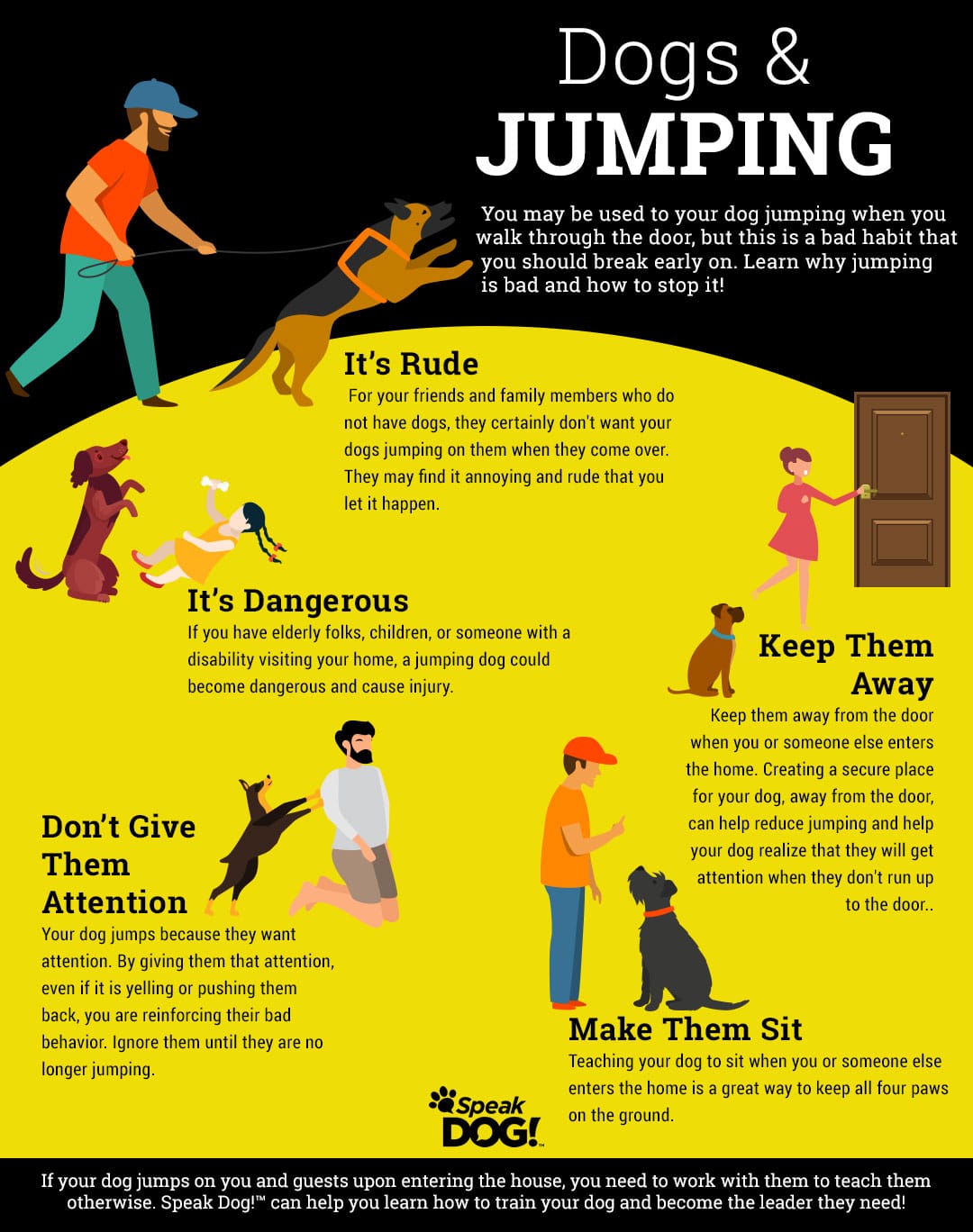
Jumping up on people is a common behavior that many dog owners struggle with. This article will guide you through effective techniques to train your dog to stop this unwanted behavior, focusing on positive reinforcement and understanding your dog’s motivations. We’ll cover foundational principles, practical exercises, and strategies to help your dog develop better greeting manners.
Understanding Why Dogs Jump
Dogs often jump for various reasons, including excitement, seeking attention, or as part of natural social greetings. Unlike humans, who might find jumping rude, dogs often jump on each other during play or enthusiastic greetings. However, due to the height difference between humans and dogs, this behavior can be more pronounced and sometimes unwelcome. It’s crucial to teach your dog that jumping is not the appropriate way to greet people.
Foundational Training Principles
Consistent communication is key to successful dog training. Utilizing a marker word, such as “yes” or a clicker, followed by a reward, helps your dog understand precisely what behavior is desired and will be rewarded. This consistency builds confidence and security in your dog. Rewarding desired behaviors, a practice we call “celebrating,” is especially important when addressing jumping. Instead of solely focusing on what you don’t want your dog to do, actively teach and reward the behaviors you prefer, like sitting, coming, lying down, or making eye contact.
Practical Training Exercises
Hand Targeting
Hand targeting is an excellent exercise to teach your dog a polite way to greet people. By rewarding your dog for offering behaviors like sitting or engaging in hand targeting when meeting new people, you reinforce a more appropriate response. Consistent practice is vital.
Chaining Cues
You can chain multiple cues together to teach your dog a specific behavior to offer when meeting people. This involves combining commands your dog already knows into a sequence that results in a desired, incompatible behavior with jumping.
Implementing a Training Plan
Stopping a dog from jumping requires a clear plan and consistent effort.
Gradual Implementation
Start by practicing new behaviors when your dog is calm, away from the excitement of greetings at the door. Regularly practice exercises like hand targeting every time you enter your home. This helps your dog associate the new behavior with the location where jumping typically occurs.
Consistency is Key
Habits, whether good or bad, take time to form. It can take up to three months for a dog to develop a new behavior pattern. Therefore, consistent daily practice for a few months is essential to change an ingrained behavior like jumping. Short, frequent practice sessions (1-2 minutes, multiple times a day) are more effective than infrequent, long sessions.
Involving Others
Once your dog shows improvement in controlled settings, gradually introduce controlled interactions with guests. It’s advisable to involve individuals who understand the training plan and can follow directions. Practicing with a friend who has watched training videos and is willing to cooperate is a great way to start.
Enriching Your Dog’s Life
High-energy dogs, like Moody in the original session, benefit greatly from increased mental and physical stimulation. Incorporate enrichment activities such as:
- Feeding from puzzle toys and snuffle mats: These challenge your dog mentally and slow down their eating.
- Enrichment games: Hide treats in boxes or paper towel rolls for your dog to find.
- Scent games: Engage your dog’s natural sense of smell with simple scent-based games.
These activities help to expend excess energy, which often leads to better overall behavior. A well-exercised and mentally stimulated dog is more likely to be a well-behaved dog.
Conclusion and Next Steps
Training your dog to stop jumping on people is achievable with patience, consistency, and positive reinforcement. By understanding the reasons behind the behavior, implementing practical exercises, and enriching your dog’s daily life, you can foster a more well-mannered and happier canine companion. Remember, establishing new habits takes time, so celebrate every success along the way. If you’re looking for professional guidance, consider exploring resources for free dog obedience training or consulting with experienced trainers.
