
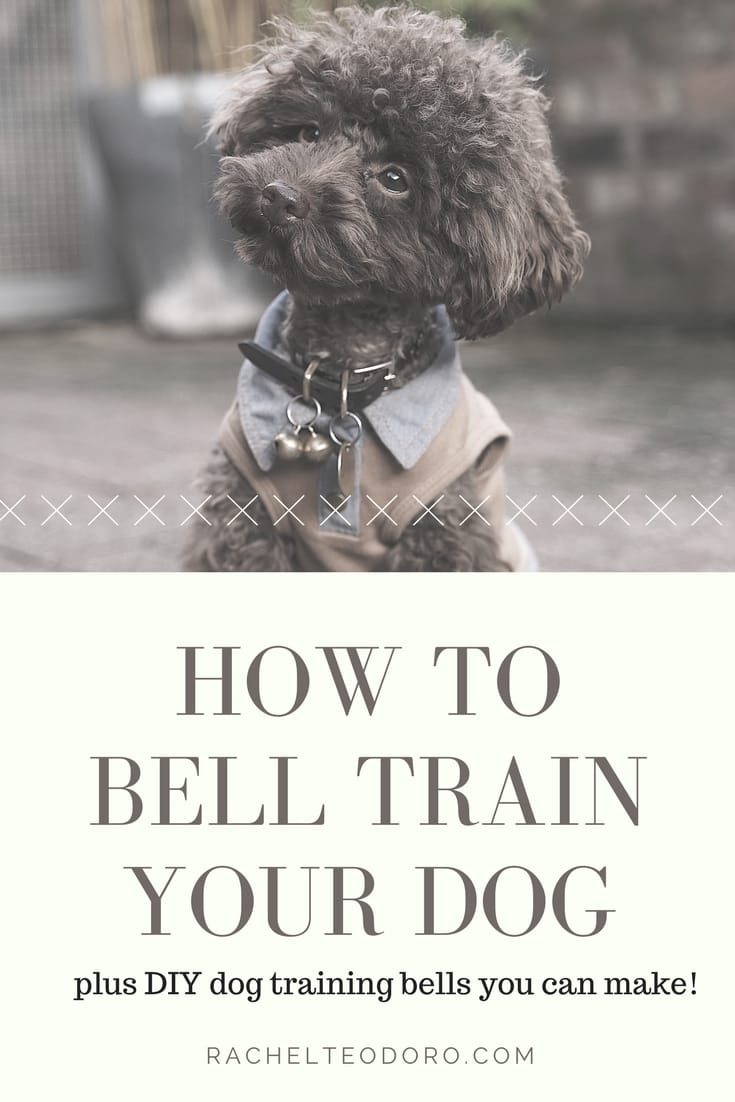
For dog owners, especially those with puppies or dogs exhibiting separation anxiety, teaching your canine companion to venture outside independently can be a rewarding yet sometimes challenging process. This guide focuses on a positive reinforcement method to help your dog gain confidence and become comfortable exploring the outdoors on their own, addressing common issues like being a “velcro dog” and improving potty training.
Understanding Your Dog’s Behavior
Many dogs develop a strong attachment to their owners, often referred to as being a “velcro dog.” This can stem from a lack of practice being alone during their puppyhood. While showering your puppy with affection is natural, it’s crucial to also teach them to be comfortable with periods of solitude. When this is not addressed, dogs can become anxious when left alone, perceiving it as a sign of insecurity. It’s important for owners to recognize this underlying anxiety rather than becoming frustrated by behaviors like a dog not wanting to go outside by itself. Reacting with frustration can inadvertently make the dog feel more insecure, hindering the training process.
A Step-by-Step Approach to Independent Outdoor Exploration
A more effective strategy involves breaking down the desired behavior into small, manageable steps, rewarding each successful completion. This positive reinforcement approach helps build the dog’s confidence and clearly communicates what you want them to do. The core idea is to create a series of exercises that gradually lead the dog to venture outside on their own.
The process works by having the dog practice the initial step repeatedly until they are comfortable and successful. Once mastered, the next step is introduced, and then both steps are practiced sequentially. This systematic approach, often referred to as positive dog training, makes the overall goal much easier to achieve for both the dog and the owner. By going at the dog’s pace and celebrating small successes, you can effectively train a dog to come when called and encourage independent exploration.
This method is particularly beneficial for “velcro dogs” and dogs that are hesitant to go outside alone. By making the process easy and rewarding, the dog begins to associate the outdoors with positive experiences. Consistency is key; practicing these exercises in short, successful sessions multiple times a day will reinforce the behavior.
Benefits of Encouraging Independence
As your dog starts to associate being outside with positive rewards, their confidence will grow. This increased confidence can significantly reduce their tendency to be a “velcro dog.” Furthermore, this training can indirectly help with potty training issues. When a dog feels more comfortable being alone outside, they are more likely to eliminate in the appropriate place when the urge arises, leading to more successful potty breaks.
The development of independence and confidence is a significant quality-of-life improvement for both the dog and the owner. For a limited time, particularly during favorable weather, keeping the door open while practicing these exercises allows the dog to explore at their own pace. This extended exposure to the outdoors, coupled with positive reinforcement, will help establish the behavior more firmly. After a few weeks, the dog will likely become less concerned about the door closing and more comfortable spending time outside.
Long-Term Success and Further Training
Continued practice and positive experiences outside will solidify your dog’s comfort and independence. This approach not only helps with outdoor excursions but can also be applied to other training goals, such as teaching your dog to train dog come when called. By consistently rewarding desired behaviors and breaking down complex tasks into simpler steps, you can foster a well-behaved and confident canine companion.
Ultimately, the goal is for your dog to feel secure and happy exploring the world around them, whether that’s venturing into the backyard or responding promptly when called. This journey of building confidence and independence is a cornerstone of effective dog training to come and overall canine well-being.
If you’re encountering difficulties with your dog’s behavior or need personalized guidance on training techniques, consider seeking professional assistance. Click Here if You Need a Little Dog Training Help.
