
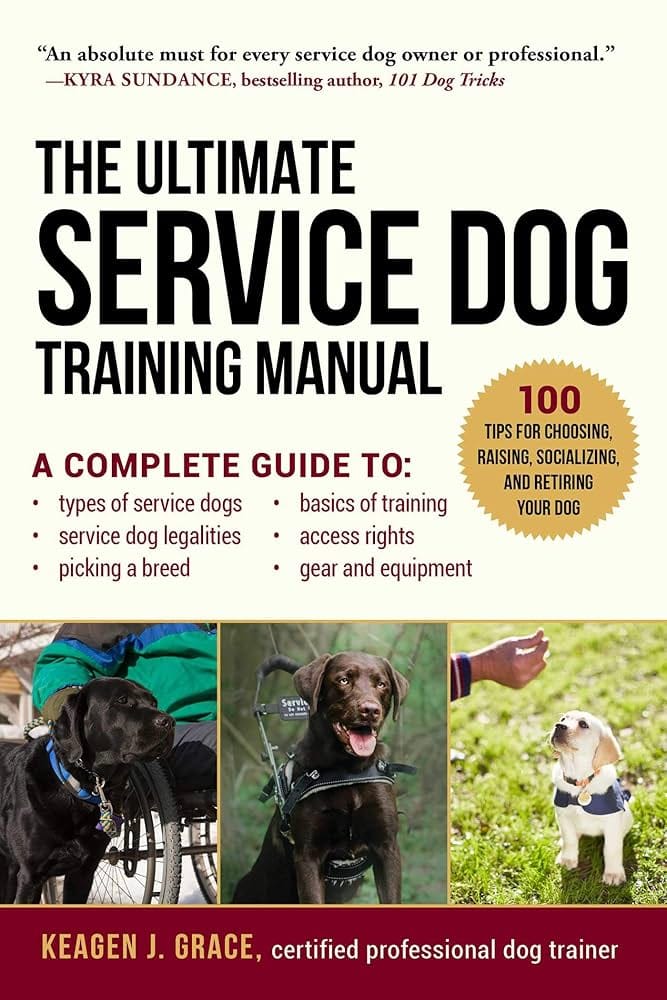
Bringing a service dog into your life is a significant decision, one that can profoundly enhance independence and quality of life. The journey to acquiring a trained service dog involves understanding the different paths available, the responsibilities involved, and how to find the right canine partner for your specific needs. Whether you’re navigating the process for yourself or a loved one, this guide will illuminate the steps and considerations.
The core of a service dog’s role is to perform specific tasks that mitigate a disability. This isn’t about companionship; it’s about providing essential support. The Americans with Disabilities Act (ADA) defines a service animal as a dog that has been individually trained to do work or perform tasks for the benefit of an individual with a disability. This can range from guiding a visually impaired person to alerting a deaf individual to sounds, or even providing balance support for someone with mobility issues. Understanding this distinction is crucial as you embark on the path to finding a trained service dog. For those looking to understand the nuances of this training, exploring resources on how to get a service dog trained can provide valuable insights.
Understanding Service Dog Roles and Tasks
Service dogs are highly specialized, and their training is tailored to the handler’s specific disability-related needs. Before even beginning the search, it’s important to identify precisely what tasks a service dog would need to perform.
- Mobility Support: Dogs trained for mobility assistance can help individuals maintain balance, retrieve dropped items, open doors, or even assist with standing or walking.
- Medical Alert: These dogs are trained to detect subtle changes in a person’s body that may indicate an impending medical event, such as a seizure, a drop in blood sugar, or an allergic reaction. They can then alert their handler or a third party.
- Psychiatric Service Dogs (PSDs): PSDs provide support for individuals with mental health conditions like PTSD, anxiety, or bipolar disorder. Tasks can include deep pressure therapy during panic attacks, interrupting repetitive behaviors, or alerting to disassociation.
- Sensory Assistance: For individuals with hearing or visual impairments, service dogs can alert to sounds (doorbells, alarms) or provide navigation guidance.
- Custom Tasks: Many service dogs are trained for unique tasks specific to an individual’s disability, such as retrieving medication, providing physical interruption for self-harming behaviors, or alerting to environmental hazards.
To gain a deeper understanding of the specialized training involved, looking into where can I get a trained service dog can offer a clearer picture of the available options.
Paths to Acquiring a Trained Service Dog
There are primarily two avenues through which individuals can obtain a trained service dog:
Reputable Service Dog Organizations/Schools: Many non-profit organizations and specialized schools dedicate themselves to breeding, raising, and training service dogs. These organizations often have waiting lists and rigorous application processes. They typically match a fully trained dog to a client based on assessed needs. While this route ensures a highly trained dog, it can be lengthy and sometimes costly, though many organizations offer dogs at reduced rates or on a sliding scale. The investment in these programs reflects the extensive training and care provided.
Owner-Training: This involves an individual with a disability selecting and training their own dog, often with the help of professional trainers who specialize in service dog work. This path requires significant commitment, time, and resources from the handler. While it can be more flexible and potentially less expensive upfront, the success hinges on the handler’s ability to train the dog to the high standards required for public access and task performance. It’s important to note that “owner-trained” dogs must still meet the same legal standards as dogs from organizations. For those considering this route, guidance on how to get a dog service trained is essential.
A related concept, though distinct from service dogs, is obtaining a trained service dog for specific tasks. Exploring where to get a trained service dog can clarify the different types of programs available.
The Application and Matching Process
If you opt to work with a service dog organization, the process generally involves:
- Application: Completing a detailed application that outlines your disability, your needs, and your lifestyle. Honesty and thoroughness are key.
- Interview: Participating in an interview to discuss your application and assess your suitability for handling a service dog.
- Assessment: The organization will assess your ability to care for, manage, and work with a service dog.
- Matching: Based on your needs and the available dogs, the organization will select a dog that is a good fit. This matching process considers temperament, skills, and the specific tasks the dog has been trained for.
- Team Training: Once matched, you will undergo intensive training with the dog to learn its cues, commands, and how to work together as a team. This usually takes place at the organization’s facility or involves home visits.
This structured approach ensures that both the dog and the handler are well-prepared for their working partnership. Understanding the intricacies of this process is vital, and resources like getting your dog service trained can offer more details.
Key Considerations for Owner-Training
Owner-training a service dog is a rewarding but demanding endeavor. If you are considering this route, here are critical factors to keep in mind:
- Temperament: Not all dogs are suited for service work. Dogs must possess a calm, steady temperament, be highly adaptable, and have a strong desire to work and please. They should not be easily startled, aggressive, or overly reactive to environmental stimuli.
- Breed: While any breed can potentially be a service dog, certain breeds are often favored for their trainability, temperament, and physical capabilities (e.g., Labrador Retrievers, Golden Retrievers, Standard Poodles). However, the individual dog’s temperament is more critical than breed alone.
- Professional Guidance: It is highly recommended to work with a certified professional dog trainer (CPDT-KA, KPA CTP, or similar) experienced in service dog training. They can help you select an appropriate dog and guide you through the complex training process.
- Time Commitment: Service dog training is a long-term commitment, often taking 1-2 years or more to complete. This includes basic obedience, advanced task training, and extensive public access socialization.
- Public Access Training: This crucial phase involves training the dog to behave impeccably in public settings, regardless of distractions. This includes potty training, leash manners, and ignoring other people and animals.
- Task Training: The dog must be trained to perform specific tasks that mitigate your disability. This requires specialized knowledge and consistent practice.
Legal Rights and Responsibilities
In many countries, including the United States under the ADA, service dogs are granted access to public places where pets are typically not allowed. However, handlers also have responsibilities:
- Control: The handler must maintain control of the dog at all times, usually via a leash, harness, or voice command.
- Cleanliness: Handlers are responsible for the dog’s hygiene and must clean up after their dog.
- Behavior: The dog must not be a direct threat to the health or safety of others, nor should it disrupt public access areas. If a service dog is out of control or not house-trained, the handler may be asked to remove it.
- Identification: While vests or ID cards are common, they are not legally required under the ADA. Staff in public places can only ask two specific questions: (1) Is the dog a service animal required because of a disability? and (2) What work or task has the dog been trained to perform? They cannot ask about the person’s disability or demand documentation.
Conclusion: Embarking on Your Service Dog Journey
Acquiring a trained service dog is a significant undertaking that requires careful planning, dedication, and often, external support. Whether you choose to work with a reputable organization or embark on the owner-training path, the goal remains the same: to find a highly skilled canine partner that can provide essential support and enhance your independence. Thorough research, realistic expectations, and a commitment to training are paramount. By understanding the process and the responsibilities involved, you can navigate the journey to acquiring a trained service dog with confidence and success.
