
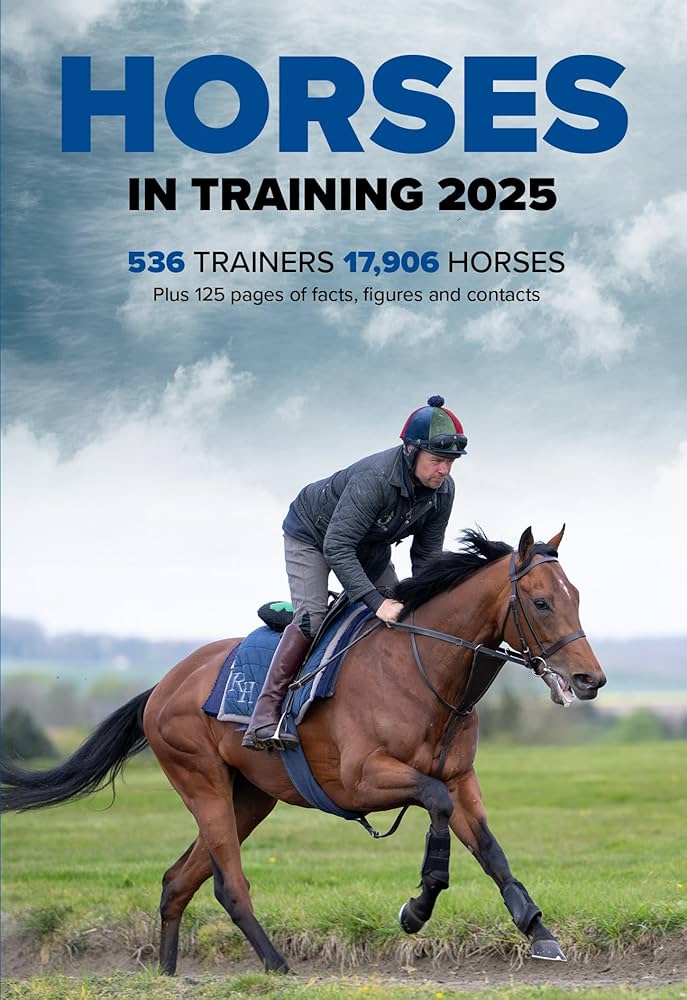
Becoming a horse trainer is a dream for many, blending a passion for these magnificent animals with a rewarding career. It’s a path that demands dedication, knowledge, and hands-on experience. If you’re asking yourself, “How Do I Become A Horse Trainer?”, you’re embarking on a journey that requires a deep understanding of equine behavior, training methodologies, and the business side of the industry. This guide will walk you through the essential steps to establish yourself as a professional horse trainer, from foundational knowledge to advanced career development.
Understanding the Role of a Horse Trainer
At its core, a horse trainer works with horses to develop their physical and mental capabilities for specific disciplines, to correct behavioral issues, or to prepare them for sale or competition. This involves understanding a horse’s individual temperament, learning style, and physical condition. Trainers utilize various techniques, from classical dressage principles to more modern, science-backed methods, always prioritizing the horse’s well-being and ethical treatment. The ultimate goal is to build a partnership between horse and rider, fostering communication, trust, and performance.
Essential Steps to Becoming a Horse Trainer
1. Gain Foundational Knowledge and Experience
The journey to becoming a horse trainer starts with a solid foundation. This isn’t something you can rush; it’s built over time through consistent learning and practice.
- Immerse Yourself: Spend as much time as possible around horses. This means not just riding, but also mucking stalls, grooming, feeding, and observing. Understanding the daily care and basic needs of a horse is paramount.
- Learn from the Best: Seek out experienced trainers and mentors. Not only can you learn practical skills, but you can also gain insights into the business, client relations, and the nuances of different training philosophies. Consider apprenticeships or working student positions, which offer invaluable hands-on experience.
- Formal Education (Optional but Recommended): While not always a strict requirement, formal education in equine science, animal behavior, or a related field can provide a strong theoretical backbone. Many colleges and universities offer programs that cover equine anatomy, physiology, nutrition, and advanced training techniques.
2. Develop a Deep Understanding of Equine Behavior and Psychology
Effective training is rooted in understanding how horses think and learn.
- Equine Psychology: Study equine behavior – their herd dynamics, flight response, and how they perceive the world. Understanding why a horse behaves in a certain way is crucial for addressing issues effectively and humanely.
- Learning Theory: Familiarize yourself with principles of learning theory, such as operant and classical conditioning. This knowledge helps in structuring training sessions for optimal results and minimizing stress for the horse. For instance, understanding reinforcement schedules can dramatically improve training efficiency.
3. Master Various Training Techniques and Disciplines
A versatile trainer is often a more successful trainer.
- Core Horsemanship: Develop strong foundational riding skills across different gaits and maneuvers. This is the bedrock upon which all other training is built.
- Discipline Specialization: While versatility is good, many trainers find success by specializing in a particular discipline, such as dressage, show jumping, western pleasure, reining, or eventing. Deep expertise in one area can attract a specific clientele.
- Problem Solving: Learn to identify and address common behavioral issues like spooking, biting, or resistance. This requires patience, observation, and a toolbox of different techniques to suit the individual horse. You might find that understanding native american horse training methods can offer unique perspectives on partnership and communication.
4. Build Your Experience and Portfolio
Practical experience is your most valuable asset.
- Work with Different Horses: Seek opportunities to train horses of various breeds, ages, temperaments, and levels of training. Each horse is an individual, and learning to adapt your methods is key.
- Document Your Successes: Keep records of the horses you’ve trained, their progress, and the methods used. Testimonials from satisfied owners and before-and-after accounts can be powerful tools for marketing.
- Consider Competition: Participating in or preparing horses for competitions can validate your skills and provide excellent learning experiences. It also exposes you to a wider network of professionals and potential clients.
5. Understand the Business and Legal Aspects
Being a great trainer is only part of the equation; running a successful business is the other.
- Business Planning: Develop a business plan that outlines your services, pricing, target market, and marketing strategies.
- Client Communication: Learn to communicate effectively with horse owners. This includes setting realistic expectations, providing regular updates, and handling feedback professionally. Building trust with clients is as important as earning the trust of their horses.
- Legalities: Understand contracts, liability insurance, and waivers. Protecting yourself and your clients is essential in this profession.
- Financial Management: Learn about bookkeeping, invoicing, and managing expenses.
Types of Horse Training Roles
The term “horse trainer” can encompass several roles:
- Full-Service Trainer: Works with horses on all aspects of training, often from starting young horses to preparing them for high-level competition. They usually also offer riding lessons.
- Specialty Trainer: Focuses on a specific discipline (e.g., a dressage specialist) or a specific type of training (e.g., a “problem” horse trainer).
- Sales Trainer: Prepares horses for sale, showcasing their best qualities to potential buyers.
- Equine Behavior Consultant: Focuses specifically on diagnosing and resolving behavioral issues, often working alongside other trainers.
The path you choose will depend on your interests and the demand in your area. For those interested in the foundational art, the art of training horses is a lifelong study.
Building Your Career and Reputation
- Networking: Attend industry events, clinics, and competitions. Build relationships with veterinarians, farriers, saddle fitters, and other trainers. A strong network can lead to referrals and collaborations.
- Continuing Education: The field of equine training is constantly evolving. Stay updated on the latest research, techniques, and best practices by attending clinics, workshops, and reading industry publications. Consider advanced certifications if available. You might find the insights of someone like sean patrick horse trainer to be particularly enlightening regarding specific training philosophies.
- Develop Your Own Philosophy: As you gain experience, you’ll likely develop your own unique training style and philosophy. Base this on ethical principles, proven methods, and a deep respect for the horse.
The Importance of Ethics and Horse Welfare
Ethical training is non-negotiable. This means always prioritizing the physical and mental well-being of the horse.
- Avoid Harsh Methods: Reject abusive or punitive training techniques. Focus on positive reinforcement, clear communication, and building a willing partnership.
- Understand Limitations: Recognize when a horse is fatigued, stressed, or not suited for a particular task. Pushing a horse beyond its limits can lead to injury, fear, and a breakdown of trust.
- Holistic Approach: Consider all aspects of the horse’s life – nutrition, housing, veterinary care, and their relationship with humans – as integral to successful training. For specific equipment needs, such as for competitive disciplines, carefully consider options like barrel racing bits for soft mouthed horses to ensure the horse’s comfort.
Frequently Asked Questions (FAQ)
Q1: How long does it typically take to become a proficient horse trainer?
A1: Becoming a proficient horse trainer is a lifelong journey, but gaining foundational skills and the ability to train horses effectively typically takes several years of dedicated practice and mentorship.
Q2: What are the biggest challenges faced by new horse trainers?
A2: New trainers often face challenges in building a client base, establishing credibility, managing the financial aspects of the business, and dealing with difficult horses or owners.
Q3: Do I need to be an excellent rider to be a good trainer?
A3: Yes, strong riding skills are fundamental. A good trainer must be able to effectively demonstrate and execute training techniques from the saddle and understand the horse’s physical responses.
Q4: What is the average income for a horse trainer?
A4: Income varies widely based on experience, location, specialization, and client base. Entry-level positions might be modest, while established trainers with a strong reputation can earn a very comfortable living.
Q5: How important is it to specialize in a particular riding discipline?
A5: While it’s possible to be a general trainer, specializing often leads to greater success and a clearer market niche. It allows you to become an expert in a specific area.
Conclusion
Embarking on the path to become a horse trainer is a significant commitment, requiring passion, perseverance, and a continuous thirst for knowledge. By focusing on building a strong foundation, understanding equine psychology, mastering training techniques, developing business acumen, and always prioritizing the horse’s welfare, you can forge a fulfilling and successful career. Remember, it’s not just about training horses; it’s about building relationships—with the horses, their owners, and the wider equestrian community. The journey of how long does it take to become a horse trainer is long but incredibly rewarding for those dedicated to the craft.
