
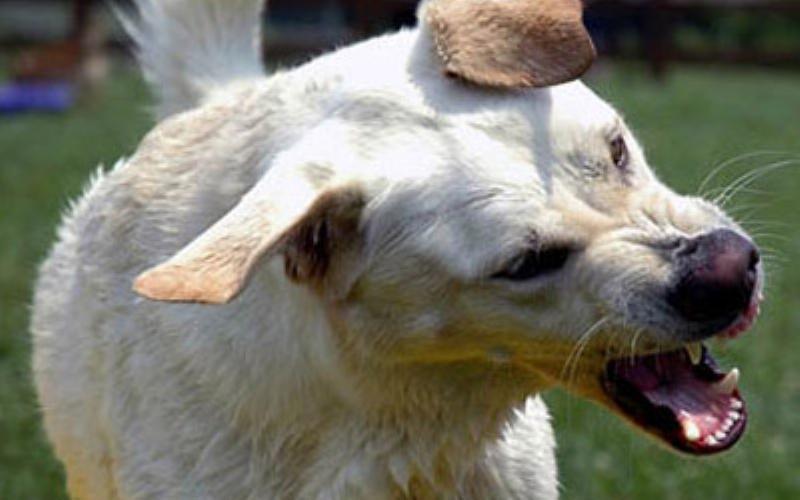
It’s a scene that plays out in countless homes: a playful session with your beloved dog suddenly turns sharp with an unexpected bite. Whether it’s the needle-like nips of a teething puppy or a more serious snap from an adult dog, this behavior can be alarming. If you’re asking, “How Can I Train My Dog To Stop Biting?”, you’re not alone, and the good news is that with patience and the right techniques, you can teach your canine companion better manners. Understanding the root cause of the biting is the first step toward creating a safer, happier relationship for both of you.
This isn’t just about discipline; it’s about communication. Biting is a natural behavior for dogs, used in play, exploration, and defense. Our job as responsible owners is to teach them when teeth on skin are unacceptable. Fortunately, this is a skill most dogs can learn. Understanding concepts like bite inhibition and redirection are crucial, and they form the foundation of our training approach. For those complex situations, learning how to train a jealous dog can provide additional insights into managing multi-pet households.
Understanding the “Why” Behind the Bite
Before you can effectively address the biting, you need to understand why it’s happening. The reason a ten-week-old puppy mouths your hand is vastly different from why an adult dog might snap at a stranger.
Puppy Mouthing vs. Adult Biting
Puppies explore the world with their mouths. This behavior, known as “mouthing,” is a normal part of their development. They nip and chew on their littermates, learning crucial social cues and, most importantly, bite inhibition—the ability to control the pressure of their jaw. When they come to live with us, we become their new playmates, and they need to learn that human skin is far more sensitive than furry puppy skin.
Adult dog biting, on the other hand, is often rooted in more complex emotions like fear, anxiety, defensiveness, or pain. An adult dog that bites is usually communicating a clear message: “I am uncomfortable,” “Stay away,” or “That hurts.” It’s rarely a sign of malice but rather a reaction to a perceived threat or stressor.
Common Triggers for Biting
Identifying what triggers the biting is key to managing and modifying the behavior. Common reasons include:
- Fear or Feeling Threatened: This is one of the most common causes of aggression. A dog may bite if cornered, startled, or approached by an unfamiliar person or animal.
- Protecting Resources: Dogs may guard their food, toys, bed, or even their favorite person, a behavior known as resource guarding.
- Pain or Illness: A dog who is in pain may bite if touched on a sore spot. Sudden aggression in a normally placid dog warrants a trip to the veterinarian.
- Playfulness: Sometimes, biting is simply a case of play getting out of hand. The dog becomes over-aroused and forgets its manners.
Foundational Techniques: How to Train Your Dog to Not Bite
The core of the training involves teaching your dog two things: that biting humans stops all the fun, and what they should do instead. This approach relies on clear communication and positive reinforcement.
Teaching Bite Inhibition
This is the cornerstone of puppy training. The goal isn’t to stop mouthing entirely at first, but to teach your puppy to be gentle.
- React to the Bite: When your puppy mouths you, let your hand go limp and emit a high-pitched “Ow!” or “Yip!” This mimics the sound their littermates would make. For many puppies, this is enough to make them pause.
- Pause the Play: As soon as they stop, even for a second, praise them calmly and resume playing.
- Withdraw Attention: If the “Ow!” excites your puppy and makes them bite harder, change tactics. The moment you feel teeth, say “Too bad” in a neutral tone, stand up, and walk away for 30-60 seconds. This teaches them that biting makes their favorite playmate disappear.
- Consistency is Key: Everyone in the household must react the same way. Consistency ensures the puppy learns the rule quickly.
Dr. Emily Carter, a certified veterinary behaviorist, notes, “Bite inhibition is perhaps the most critical lesson a puppy can learn. A well-socialized adult dog that was taught bite inhibition as a puppy may still nip when scared or in pain, but it is far less likely to cause serious injury because it has learned to control its jaw pressure.”
The Power of Redirection
Dogs need to chew, especially when they’re puppies. The trick is to teach them what is acceptable to chew on.
- Always Have a Toy Ready: Keep appropriate chew toys handy during playtime.
- Swap It Out: The instant you see your dog coming toward your hand with an open mouth, anticipate the action and place a toy in their mouth instead.
- Praise the Choice: When they engage with the toy, praise them enthusiastically. “Good boy for chewing your rope!” This reinforces their good decision.
This technique is incredibly effective because it doesn’t just say “No,” it provides a “Yes.” You’re showing your dog the correct way to exhibit their natural chewing behavior. This proactive approach is fundamental, much like the methods used in turning point dog training where positive alternatives are emphasized over punishment.
 A medium-sized golden retriever puppy gently chewing on a red rubber toy held by a person, illustrating a positive redirection technique to stop dog biting.
Advanced Strategies for Persistent Biting
If basic bite inhibition and redirection aren’t enough, or if you’re dealing with an adult dog, you may need to implement more structured training and management strategies.
What Is the Best Way to Stop a Dog from Biting?
For adult dogs, the focus shifts from teaching basic manners to managing their environment and changing their emotional response to triggers. This is a critical step when you want to how to train a dog not to bite.
- Identify Triggers: Carefully observe when the biting occurs. Is it when the mail carrier arrives? When you try to take a toy? When children are running around? Knowing the trigger is the first step to creating a solution.
- Manage the Environment: The easiest way to stop a bite is to prevent the situation from happening. If your dog bites when scared of strangers, don’t force interactions. Use baby gates, a crate, or a leash to keep everyone safe while you work on training.
- Counter-Conditioning and Desensitization: This involves gradually changing your dog’s emotional response to a trigger from negative to positive. For example, if your dog is fearful of strangers, you would have a stranger appear at a distance your dog can tolerate without reacting. The stranger tosses high-value treats. Over many sessions, the stranger gets slightly closer, always pairing their presence with something wonderful (the treats). Your dog slowly learns that strangers predict good things, not scary ones.
The Role of Obedience Training
A well-trained dog is often a well-behaved dog. Commands like “Leave It,” “Drop It,” and “Stay” are invaluable tools.
- “Leave It”: This command teaches your dog to ignore an item (or your hand) and turn their attention to you for a reward. It’s a proactive way to prevent a bite.
- “Stay”: A solid “Stay” allows you to control your dog in exciting or stressful situations, preventing them from running up to people or into a situation where they might feel the need to bite.
Positive reinforcement should always be the method of choice. Studies have shown that punishment-based training can increase fear and anxiety, making aggression more likely, not less.
 A well-behaved adult German Shepherd in a calm "stay" position on a training mat, demonstrating how obedience training can help prevent a dog from biting.
When Should I Seek Professional Help?
While many cases of puppy mouthing can be resolved at home, some situations require an expert. You should seek professional help if:
- The biting is frequent, hard, or causing injury.
- The biting is accompanied by other aggressive behaviors like growling, snarling, or stiff body language.
- The biting is directed at children.
- You feel afraid of your dog.
Consult your veterinarian first to rule out any underlying medical issues. They can then refer you to a Certified Applied Animal Behaviorist (CAAB), a veterinary behaviorist (Dip ACVB), or a certified professional dog trainer (CPDT) with experience in aggression cases. Finding a qualified professional like a dog trainer long island can make a significant difference.
Training a dog to stop biting is a process that requires patience, consistency, and an understanding of why your dog is behaving this way. By teaching bite inhibition, redirecting their natural instincts, and managing their environment, you can foster a relationship built on trust and clear communication. Remember that every interaction is a training opportunity to reinforce the gentle behavior you want to see.
Frequently Asked Questions (FAQ)
1. How do I stop my puppy from biting my feet and ankles?
This is very common puppy behavior. The best method is to stop moving the second they bite your feet. A moving target is more fun. Stop, redirect their attention to an appropriate toy, and praise them when they switch their focus to the toy. Keeping a toy in your pocket can be a lifesaver!
2. Is it okay to use a spray bottle to stop my dog from biting?
Most modern trainers advise against using aversives like spray bottles. While it might interrupt the behavior in the short term, it doesn’t teach the dog what to do instead. It can also create fear and anxiety, potentially damaging your bond and worsening the problem in the long run.
3. At what age should a puppy stop biting?
Most puppies will have a good grasp of bite inhibition and will have significantly reduced their mouthing behavior by the time they are 6 to 8 months old. However, this depends heavily on consistent training from the moment they come home.
4. Can an old dog learn not to bite?
Absolutely. While it may take more time and patience, adult dogs are perfectly capable of learning new behaviors. The approach is different, focusing more on management and changing emotional responses (counter-conditioning) rather than basic bite inhibition.
5. Why does my dog bite me gently but not my partner?
This often comes down to play style and consistency. Your dog may see you as more of a playmate, or you may have inadvertently reinforced the behavior while your partner has not. Ensure everyone in the household is on the same page with the training rules to avoid confusion.
