
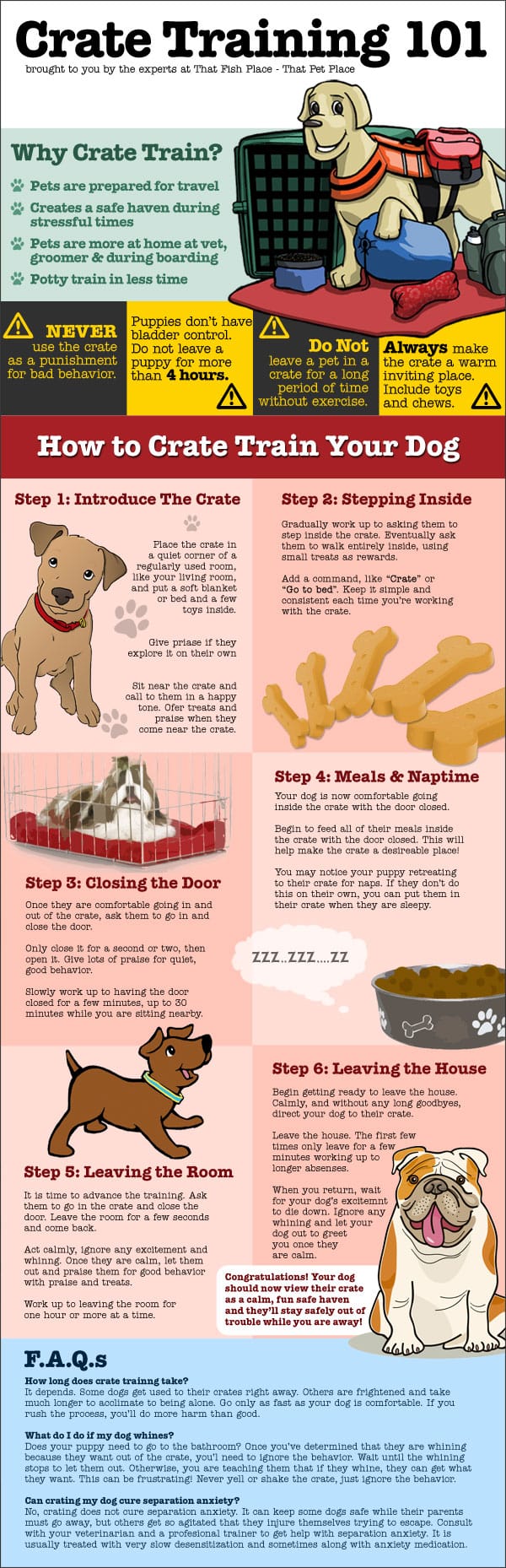
Leaving your dog alone at home can be a source of anxiety for both you and your furry companion. However, teaching your dog to be comfortable with solitude is a critical part of their overall training and well-being. This guide will provide you with essential tips on how to acclimate your dog to being left alone, ensuring they remain calm and happy while you’re away. Proper training is key to preventing destructive behaviors and separation anxiety.
Preparing for Training
Dedicate approximately 10 minutes each day to practicing these training techniques. Remember that every dog is unique, so it’s important to adjust the pace based on your dog’s individual reactions and comfort level. Never push your dog’s training to a point where it causes them stress.
Before you begin, gather some of your dog’s favorite toys and treats to use as rewards for good behavior. A comfortable bed with familiar blankets in an enclosed, cozy spot can also make being home alone a more positive experience for your dog. Positive reinforcement through praise is highly effective, as dogs respond very well to it.
Step 1: Encourage Relaxation in Their Designated Space
Start by encouraging your dog to settle down in their comfortable bed or crate while you are still present in the room. Reward them with treats and praise when they remain in their spot without whining or barking. This initial step helps them associate their personal space with calmness and positive reinforcement.
Step 2: Gradually Increase Your Distance
Once your dog is comfortable staying in their bed, begin to slowly move away from them while still offering encouragement. You can gradually increase the distance you move, perhaps to another room in the house or apartment. Continue to reward them for staying quietly on their bed as you increase your distance.
Step 3: Extend Duration and Distance
Continue this pattern of gradually increasing both the distance you move away and the length of time you are absent. The pace of this progression should be dictated by your dog’s response. If your dog shows signs of distress or moves from their spot, avoid reprimanding or excessively praising them. Instead, simply return to the previous level of training where they were successful and build from there.
Step 4: Practice Short Absences
Begin by leaving your dog alone in the house for short periods, starting with no more than 5 minutes. It’s crucial to build their confidence gradually. Return home after these short intervals – perhaps by going to the neighbor’s or simply waiting outside the door – and greet them calmly. This helps your dog understand that your absence is temporary and that you will always return.
Step 5: Gradually Lengthen Your Absence
As your dog becomes more comfortable, progressively increase the duration of your absences. This could involve leaving them for 10 minutes, then 15, 20 minutes, and so on. Upon your return, offer them praise and attention, along with a few treats. Once your dog can comfortably stay alone for up to an hour, you should find that longer periods are much easier for them to manage. This consistent approach is fundamental to how to train dogs with separation anxiety.
The Importance of Consistency: “The Cold Shoulder”
During this training process, it is vital not to give in to your dog’s whining or anxious vocalizations. While you shouldn’t reprimand them, avoid comforting them or lavishing praise when they are distressed. Doing so can inadvertently teach your dog that such behaviors will earn them your attention. If you consistently reward their anxiety, the behavior will likely intensify. Therefore, when you leave, adopt a calm demeanor and avoid overly emotional goodbyes. This approach, sometimes referred to as “the cold shoulder,” helps your dog understand that your departure is not a cause for alarm and that you will return for cuddles later.
Note: The advice provided in this post is intended for informational purposes and does not constitute medical advice regarding pets. For an accurate diagnosis of your pet’s condition, please make an appointment with your vet.
