
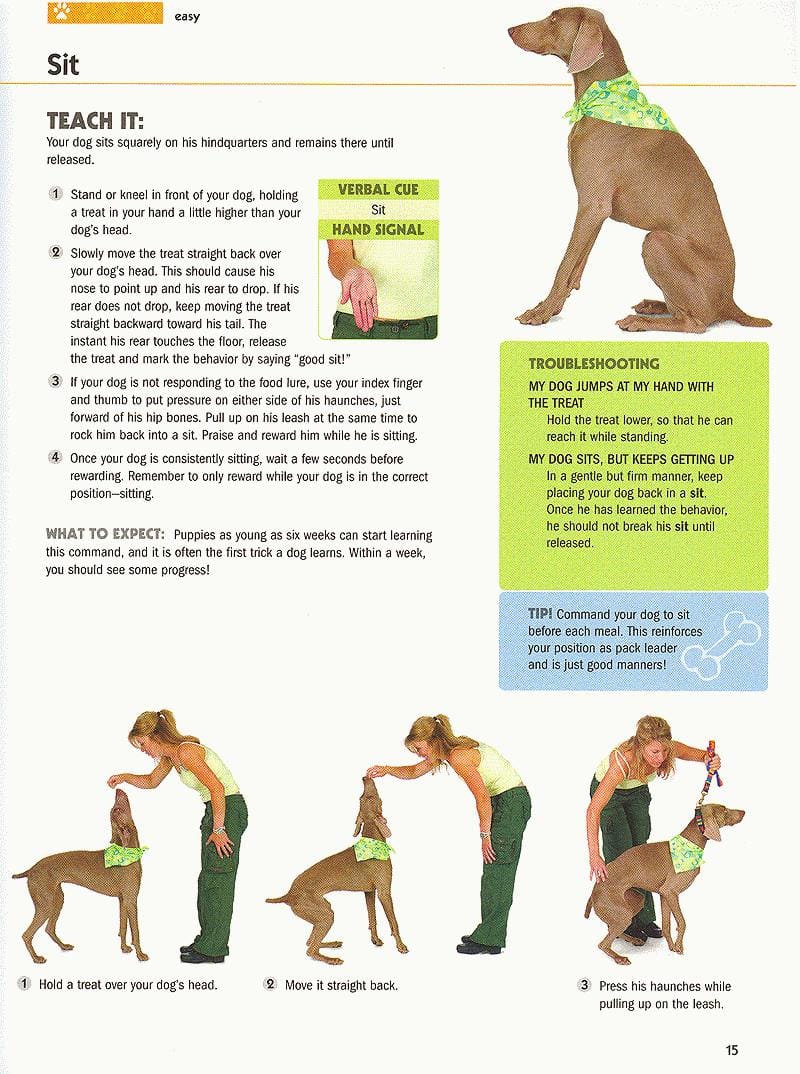
Teaching your dog to roll over is a fun and impressive trick that can strengthen your bond and provide mental stimulation for your canine companion. It requires patience, positive reinforcement, and a clear understanding of the steps involved. This guide will walk you through the process, ensuring a rewarding experience for both you and your dog.
Understanding the “Roll Over” Trick
The “roll over” trick involves your dog lying down, then rolling their body completely over to their other side. It’s a multi-step behavior that builds upon a dog’s natural inclination to shift their weight and move their body. For a dog to successfully roll over, they need to be comfortable on their side, understand how to follow a lure, and be motivated by rewards.
Before You Begin: Essential Preparations
Before diving into the training, ensure you have the following in place:
- High-Value Treats: Small, soft, and enticing treats that your dog absolutely loves. These should be reserved specifically for training sessions to maintain their appeal.
- A Quiet Environment: Choose a distraction-free area where your dog can focus on you. This could be a quiet room in your house or a secluded spot outdoors.
- Your Dog’s Comfort: A soft surface like a carpet or a dog bed can make the rolling motion more comfortable for your dog. Avoid hard floors initially.
- Patience and Positive Attitude: Training takes time. Celebrate small successes and never punish your dog for not understanding. Keep sessions short and fun, ideally 5-10 minutes long.
Step-by-Step Guide to Teaching “Roll Over”
This trick is best taught in stages, rewarding each small success along the way.
Step 1: Teach Your Dog to Lie Down on Command
If your dog doesn’t already know how to lie down, start there.
- Hold a treat near your dog’s nose.
- Slowly move the treat down towards the floor and slightly away from them, encouraging them to follow it into a down position.
- As soon as they lie down, say “Down!” and give them the treat and praise.
- Repeat this until your dog reliably lies down when you give the command.
Step 2: Luring Your Dog onto Their Side
Once your dog is comfortably lying down, you can start luring them onto their side.
- Ask your dog to lie down.
- Hold a treat in your hand and bring it close to their nose.
- Slowly move the treat from their nose towards their shoulder, encouraging them to shift their weight and lean onto one side.
- As soon as they are on their side, say “Yes!” or use a clicker, and give them the treat.
- Repeat this several times, gradually moving the lure further so they have to shift more weight.
Step 3: Encouraging the Roll
This is where the “roll” action begins.
- From the lying down position, lure your dog onto their side as before.
- Once they are on their side, continue the lure in an arc over their back, towards the other side. The goal is to get them to follow the treat with their nose, which will encourage their body to follow.
- Important: Don’t expect a full roll immediately. Reward any movement that continues the roll, even if it’s just a slight shift of their body. You might reward them for going from their side to their back, or from their back towards the other side.
- Troubleshooting: If your dog is hesitant to roll over their back, try using a slightly larger treat or gently guiding their body with your hand (without forcing them) as they follow the lure. Some dogs are more comfortable rolling in one direction than the other. Try to discover their preferred side and start there.
Step 4: Completing the Roll
As your dog gets more comfortable with the motion, you can encourage them to complete the full roll.
- Continue using the lure over their back. As they start to roll, keep the lure moving in a smooth arc.
- The moment they complete the full roll and end up on their other side, give them a jackpot of treats and enthusiastic praise! Make it a huge celebration.
- Repeat this process, gradually reducing the reliance on the lure. Start by making the lure motion smaller, then transition to using just your hand as a silent lure, and finally, introduce the verbal cue.
Step 5: Adding the Verbal Cue
Once your dog is reliably rolling over when lured, it’s time to add the verbal command.
- As you begin the lure motion that successfully gets them to roll, say “Roll Over!” clearly.
- Continue to reward them with treats and praise.
- Gradually phase out the lure, making the hand motion smaller and less pronounced. Eventually, you should be able to say “Roll Over!” and have your dog perform the action with minimal or no hand signal.
Refining the Trick and Troubleshooting
- Dog Won’t Go Onto Their Side: If your dog is reluctant to lie on their side, ensure the treats are high-value and the environment is comfortable. Gently encourage the lean with the lure and reward any small shift.
- Dog Rolls Halfway and Stops: This often means the lure isn’t clear enough or the dog is hesitant to go onto their back. Ensure the lure arc is smooth and goes completely over their back. You might need to break this down into smaller steps: side -> back -> finishing the roll.
- Dog Gets Up Instead of Rolling: This usually happens if the lure isn’t close enough to their nose, or if they are too excited. Go back to the previous step and ensure the lure is enticing and the session is focused.
- Dog is Afraid to Roll: Some dogs are naturally more cautious. Break the trick down into the smallest possible increments. Reward them for just looking in the direction of the roll, then for shifting weight, then for leaning, etc. Never force them.
Making it a Command
Once your dog consistently performs the “roll over” trick with the verbal cue, practice it in different environments and with varying distractions. This helps generalize the behavior. You can also start rewarding intermittently once the trick is well-established, saving the biggest rewards for particularly good rolls or when practicing in challenging situations.
Beyond the Trick: The Benefits of Training
Teaching tricks like “roll over” is more than just showing off. It offers numerous benefits for your dog:
- Mental Stimulation: Tricks challenge your dog’s mind, preventing boredom and reducing the likelihood of destructive behaviors.
- Strengthened Bond: Training sessions are dedicated time spent together, fostering trust and a deeper connection between you and your dog.
- Improved Communication: You learn to read your dog’s body language, and they learn to understand your cues more clearly.
- Confidence Building: Successfully learning new behaviors can boost a dog’s self-esteem, especially if they were previously shy or anxious.
Training your dog to roll over is a journey that rewards both dog and owner with fun, connection, and a deeper understanding of each other. Enjoy the process and celebrate every wagging tail and successful roll!
