
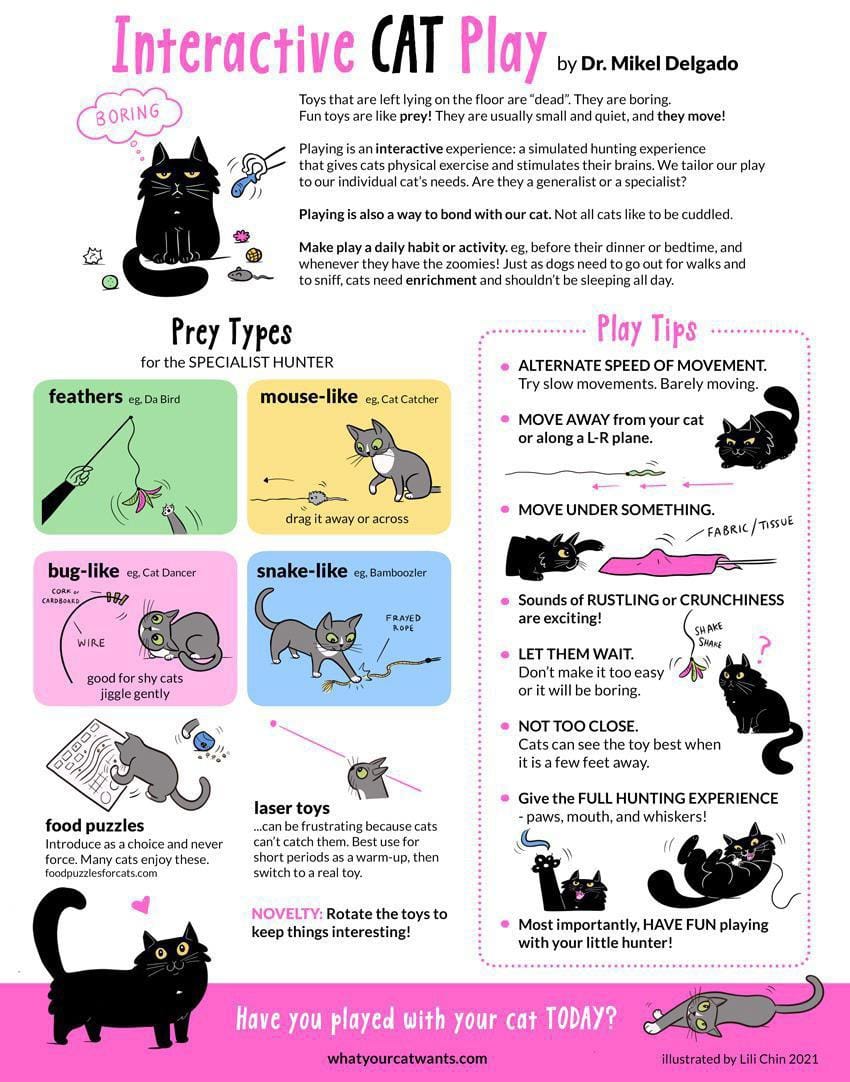
Cats have a reputation for being aloof and untrainable, a notion that is simply not true. Most cats can learn simple tricks, which not only provide mental stimulation but also strengthen the bond between you and your feline companion. Training sessions offer a unique opportunity for enrichment and quality time, and your cat will likely begin to look forward to them.
You might be surprised to learn that your cat is already trained in various ways, primarily through routines. Cats are adept at learning and anticipating patterns, especially around mealtimes. Establishing other routines, like pre-bedtime play or a favorite afternoon snack, further demonstrates their capacity for learning. Teaching tricks is essentially introducing a new, engaging routine into their lives. This guide will focus on three foundational tricks: coming when called, sitting, and offering a high five.
What You’ll Need for Training
To begin training your cat, ensure you have a comfortable, quiet space where both you and your cat can relax without distractions. Gather your cat’s favorite treats; these should be special rewards, not everyday kibble. Options include store-bought training treats, freeze-dried chicken, low-sodium deli turkey, or even small pieces of roast chicken. For cats less motivated by food, a beloved toy can serve as an effective reward. While training non-food-motivated cats may take slightly longer, consistent positive reinforcement will yield results.
You’ll also need approximately 15 minutes of your time for each session. While actual training time may be shorter, this allows for preparation, gathering your cat, and settling into the training space. An optional, but recommended, tool is a clicker or any item that makes a distinct clicking sound, such as a ballpoint pen. Alternatively, you can create a clicking sound with your tongue.
Getting Started: The Foundation of Training
Begin by placing your cat, treats, and your chosen clicker (or tongue click) in your quiet training area. Start by clicking once and immediately offering a treat. This ensures your cat is comfortable with the sound and associates it with a positive experience. Next, focus on a simple behavior, like your cat looking in your direction. The moment she makes eye contact, click and offer a treat. Repeat this process each time she looks at you. Cats often grasp this association quickly, sometimes within a single session, understanding that offering attention leads to a reward.
Once your cat reliably seeks your attention, you can gradually increase the distance between you. As she approaches, click and treat. While she is enjoying her treat, move around the room, continuing the click-and-reward cycle as she follows you.
When your cat consistently comes to you, it’s time to introduce the verbal cue. Avoid using her name, as this is typically used for getting her attention. Instead, choose a distinct, simple cue like “Come” or “Here.” Say the cue just as she looks up from her treat, and click and reward as she moves towards you. Eventually, you can progress to calling her from another room. When she finds you, click and reward her. Once she reliably comes to you from various locations in your home, the clicker’s precision becomes less critical. Simply reward her when she responds to the cue with a treat, praise, play, or whatever reward she values most.
Teaching “Sit” and “Sit Pretty”
To teach your cat to sit, position yourself on the floor at her level, or place her on a raised surface like a table if that is more comfortable for you. When she approaches you, anticipating a treat, say the cue “sit” while holding the treat slightly above and over her head. This will naturally encourage her to lower her rear end to the floor or surface. The moment her hindquarters touch the ground, click and give her the treat, along with verbal praise like “good cat!” Repeat this a few times during each brief session, as cats can become bored with longer training periods. Once your cat consistently sits on the verbal cue, you can phase out the clicker and simply reward her performance.
Mastering “sit pretty” builds upon the basic sit. When your cat is already in a sitting position, raise the treat higher above her head, prompting her to lift her front paws off the ground. As she elevates herself to reach the treat, say “Pretty,” then click and reward her upon successful execution. Remember to keep these sessions short and engaging.
The “High Five” Trick
The “high five” might appear impressive, but it’s an easily teachable trick. Ensure you and your cat are at a similar eye level. Hold a treat at her shoulder height. When she naturally reaches out a paw to touch the hand holding the treat, click and then present the treat. Through repetition, she will learn to touch your hand before receiving the reward.
At this stage, remove the treat from the hand you’re offering. When she touches your hand, click and give her the treat with your other hand. Once this is consistent, begin offering your hand in a palm-up position, the classic “high five,” and use the verbal cue “High five!” When she touches your palm, click and reward her. Similar to other tricks, you can gradually fade the clicker as she becomes proficient, reinforcing her response to the cue alone.
Essential Training Tips for Success
- Keep Sessions Short and Sweet: Limit each trick repetition to four to six times per session. Two or three short sessions daily are far more effective than one long session that can lead to boredom or disinterest.
- Embrace Positive Reinforcement: Always use positive reinforcement methods. Never scold or punish your cat for incorrect execution or failure to perform a trick. If she performs a trick incorrectly, simply ignore it and try again. If she walks away, consider the session over and try again later or the next day.
- Patience is Key: Cats learn at their own pace. Some cats grasp tricks within a few sessions, while others may require more time and repetition. Allow your cat the space to learn according to her individual timeline.
- Enjoy the Process: View these training sessions as an opportunity to bond and play with your cat. The connection you build is as valuable as the tricks learned. This approach ensures that both you and your cat will have a positive and rewarding experience after each session, regardless of the outcome.
This article was reviewed/edited by board-certified veterinary behaviorist Dr. Kenneth Martin and/or veterinary technician specialist in behavior Debbie Martin, LVT.
