
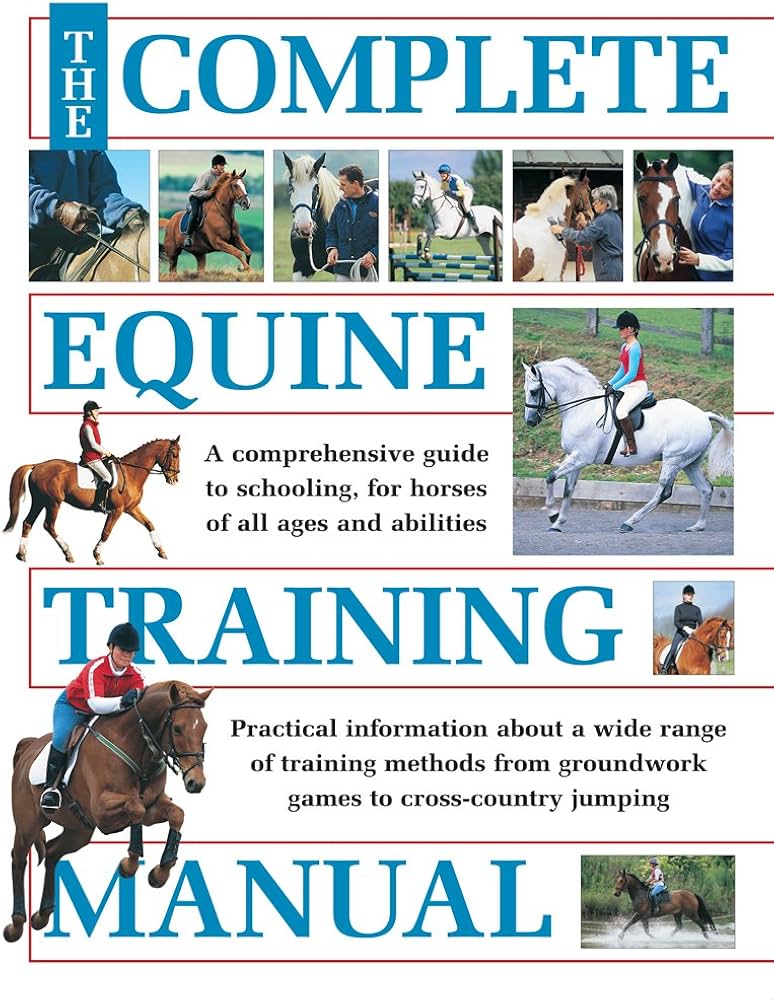
Training a horse is a journey that requires patience, understanding, and a deep connection with your equine partner. Whether you’re a seasoned equestrian or embarking on your first training endeavor, this guide will walk you through the fundamental principles and common methods used to shape a horse’s behavior and abilities. “Equine Excellence” is dedicated to fostering a world where horses are trained with ethical practices, mutual respect, and a focus on building a lasting, trusting relationship.
The Foundation of Trust: Building a Bond
Before any formal training begins, establishing a strong bond with your horse is paramount. This foundation of trust is built through consistent, positive interactions. Spending time simply being around your horse, grooming them, and speaking in a calm, reassuring tone can go a long way. Understanding their body language – the flick of an ear, the swish of a tail, the tension in their muscles – allows you to interpret their feelings and respond appropriately. This innate understanding is the bedrock upon which all effective training is built.
Understanding Equine Learning
Horses learn primarily through association and repetition. They are prey animals, and their instincts heavily influence their learning process. This means they are naturally sensitive to pressure and release. When a horse responds correctly to a cue, the pressure is immediately released, which is a reward in itself. Conversely, consistent pressure without the release can lead to frustration and anxiety. Positive reinforcement, where desired behaviors are rewarded, plays a crucial role in creating a willing and responsive partner. Understanding concepts like how they train horses can offer valuable insights into this learning process.
Essential Training Principles
Several core principles underpin successful horse training:
- Consistency: Using the same cues and commands for the same actions every time is vital. Inconsistency confuses the horse and hinders progress.
- Patience: Every horse learns at its own pace. Frustration can be counterproductive. Taking breaks and celebrating small victories are important.
- Clear Communication: Ensure your cues (aids) are clear, timely, and consistent. This includes voice commands, leg pressure, and rein aids.
- Timing: The release of pressure or the delivery of a reward must be immediate to be effective. A delay of even a few seconds can cause the horse to associate the reward with the wrong action.
- Positive Reinforcement: Rewarding desired behaviors with praise, a scratch, or a small treat reinforces the behavior and encourages the horse to repeat it.
Common Training Disciplines and Methods
Horse training encompasses a wide range of disciplines, each with its specific techniques and goals. However, many share fundamental training methodologies.
Groundwork: The Cornerstone of Training
Groundwork is essential for any horse, regardless of its ultimate discipline. It involves training the horse while the handler is on the ground. This includes:
- Leading and Haltering: Teaching the horse to follow calmly and accept being led.
- Grooming and Tacking: Accustoming the horse to being handled all over its body and to having tack (saddle and bridle) applied.
- Lunging: Working the horse in a circle on a long rope. This helps develop balance, responsiveness to voice commands, and fitness.
- Desensitization: Gradually exposing the horse to novel objects, sounds, and movements (like flapping tarps, riding with flags, or even
can miniature horses be house trainedby associating calm behavior with these stimuli) to build confidence and reduce spookiness.
Riding Training: From Basics to Advanced
Once a horse is comfortable and responsive on the ground, ridden training can begin.
- Introduction to the Saddle and Bridle: Ensuring the horse accepts the tack without resistance.
- Voice and Seat Aids: Teaching the horse to respond to the rider’s voice and the subtle movements of their body.
- Basic Gaits: Developing walk, trot, and canter.
- Steering and Stopping: Establishing reliable control over direction and speed.
- Advanced Disciplines: For horses intended for specific activities like jumping, dressage, reining, or trail riding, training becomes more specialized, focusing on the unique skills required for each discipline. For instance, understanding
how do they train horsesfor specific competitive events reveals the depth of specialized training involved.
Natural Horsemanship
This approach emphasizes understanding the horse’s natural instincts and behavior. Methods often involve using body language and psychological principles to communicate with the horse. It often focuses on earning the horse’s respect and willingness rather than forcing compliance. Techniques may include round pen work, pressure-and-release exercises, and building a partnership based on mutual understanding. The goal is to create a horse that responds willingly because it trusts and understands its handler.
Addressing Common Training Challenges
- Spooking: This is often a result of fear or surprise. Desensitization and building confidence are key.
- Refusal to Move Forward: This can stem from fear, confusion, or a lack of respect. Re-evaluating groundwork and ensuring clear communication is essential.
- Biting or Nipping: This is a serious behavioral issue that must be corrected early through consistent training and clear boundaries. Horses often nip out of excitement or to test boundaries.
- Resistance to Tack: This can be due to ill-fitting tack, a negative past experience, or simply a lack of understanding.
When facing challenges, revisiting the basics and ensuring the horse is not confused or afraid is crucial. Sometimes, seeking guidance from an experienced trainer can provide invaluable perspective. Exploring resources on trained mustang horses for sale or amish trained horses for sale can also highlight different training philosophies and their outcomes.
The Role of Ethical Training
At “Equine Excellence,” we believe that ethical training is non-negotiable. This means prioritizing the horse’s welfare above all else. Training should always be humane, avoiding harsh methods, excessive force, or punishment that could cause physical or psychological harm. Building a partnership based on trust and respect not only leads to a better-trained horse but also to a safer and more enjoyable experience for both horse and rider. Understanding that horses are not just tools but sentient beings with feelings and needs is fundamental to this ethical approach.
Conclusion: A Lifelong Partnership
Training a horse is not a task with a definitive end date; it’s an ongoing process that evolves throughout the horse’s life. Each training session is an opportunity to deepen your understanding and strengthen your bond. By employing patient, consistent, and ethical methods, you can unlock the incredible potential of your equine partner and build a relationship that is truly exceptional. Whether you are working with a young foal or retraining an experienced horse, the journey of training is as rewarding as the destination.
