
Bringing a rescue dog into your home is one of the most rewarding experiences a person can have. You’re giving a deserving animal a second chance at a happy life. However, this new beginning often comes with a few challenges, and one of the most common is the process of House Training A Rescue Dog. Unlike a puppy you’ve raised from eight weeks old, a rescue dog comes with a past you don’t fully know. They might never have been taught where it’s appropriate to go to the bathroom, or their previous experiences may have created confusion and anxiety. The good news is that with patience, consistency, and the right techniques, you can successfully teach your new companion the rules of the house. This guide will walk you through everything you need to know to build a strong, trusting bond and a clean, accident-free home.
Understanding the unique aspects of a rescue’s background is crucial. This process is about more than just preventing accidents; it’s about building communication and trust. For those looking into specific training programs, exploring options like dog training highlands ranch can provide structured support, but the core principles start right here at home.
Understanding Your Rescue Dog’s Background
Before you can effectively start training, it’s important to approach the situation with empathy. A rescue dog’s lack of house training isn’t a sign of defiance or spite; it’s a product of their history. There are several common reasons why an adult rescue dog might have accidents in the house.
Firstly, they may have simply never been trained. Some dogs live their entire lives outdoors or in kennel situations where they could relieve themselves whenever and wherever they pleased. The concept of “holding it” and waiting to go outside is entirely new to them. Secondly, their previous living situation might have forced them to eliminate in their living space, breaking down the natural instinct to keep their den clean. This is particularly common in dogs from puppy mills or hoarding situations. Lastly, the stress and anxiety of being in a new environment can cause temporary setbacks, even for a dog that was previously house-trained. The change in routine, people, and surroundings is a massive adjustment.
As canine behaviorist Dr. Sarah Miller states, “When a rescue dog enters a new home, their world has been turned upside down. Their primary needs are security and a predictable routine. House training success is built on a foundation of that security, not on discipline.”
Setting the Stage for Success
To begin the house training process, you need to manage your dog’s environment to prevent accidents from happening in the first place. This is not about punishment but about setting them up to win.
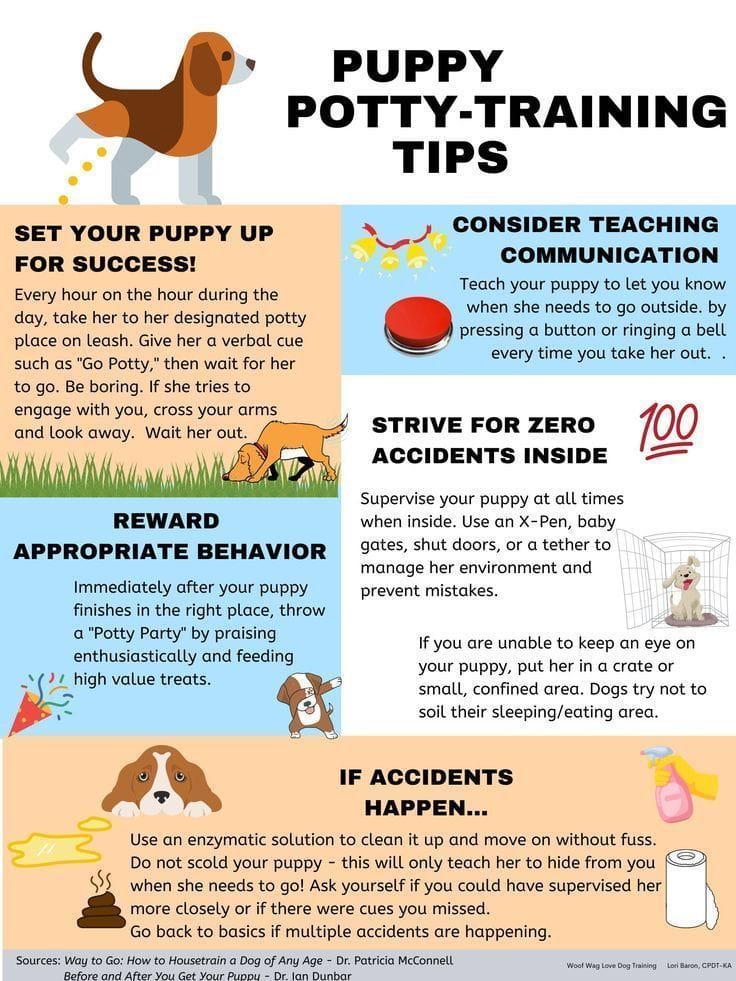
- Constant Supervision: In the beginning, your dog should be within your sight at all times when they are not in their crate. This allows you to watch for signals that they need to go out and prevent them from sneaking off to have an accident. Using a leash to keep the dog tethered to you indoors can be an effective strategy.
- Crate Training: A crate can be an invaluable tool for house training a rescue dog. It serves as a safe, den-like space for your dog and utilizes their natural instinct not to soil where they sleep. Ensure the crate is the right size—large enough for them to stand up and turn around, but not so large that they can use one end as a bathroom and the other as a bed.
- Enzymatic Cleaners: Accidents will happen. When they do, it’s crucial to clean them with an enzymatic cleaner. Regular soaps won’t break down the uric acid in urine, leaving behind odors that attract your dog back to the same spot.
Creating a Rock-Solid Potty Routine
Dogs are creatures of habit, and a predictable routine is the cornerstone of successful house training. Your goal is to create a schedule so consistent that your dog learns to anticipate when they will be taken outside.
Key Times for Potty Breaks
Your dog should be taken out immediately at these times, every single day:
- First thing in the morning: As soon as you wake up, before you do anything else.
- Last thing at night: Right before you go to bed.
- After waking up from a nap: Even a short snooze can trigger the need to go.
- After playing: Excitement and activity can stimulate the bladder.
- After eating: Digestion naturally leads to the need to eliminate, typically 15-30 minutes after a meal.
- Before being left alone: Even for short periods.
When you take your dog out, go to the same designated potty spot every time. Use a specific cue word, like “Go potty” or “Hurry up,” in a calm, encouraging tone. The moment they finish, reward them with enthusiastic praise and a high-value treat. This immediate positive reinforcement is key. This concept is foundational and applies to many training scenarios, much like the methods used in potty training rescue dog programs which also emphasize immediate rewards.
The Power of Positive Reinforcement
Never, ever punish your dog for having an accident in the house. Scolding, rubbing their nose in it, or any other form of punishment will only create fear and anxiety. It can damage your bond and teach your dog that eliminating in front of you is dangerous, leading them to hide from you when they need to go. This makes house training a rescue dog significantly harder.
Instead, focus entirely on rewarding the correct behavior. When your dog successfully potties outside, act like they just won an Olympic gold medal. Use excited praise, petting, and special treats that they only get for potty success. This makes them want to go outside because they associate it with wonderful things.
If you catch your dog in the act of having an accident, make a sudden but not scary noise—like a clap or a quick “Ah-ah!”—to interrupt them. Immediately hustle them outside to their designated spot. If they finish outside, praise them lavishly. If they don’t, that’s okay. Clean up the mess with your enzymatic cleaner and resolve to supervise more closely.
Common Challenges and Troubleshooting
House training a rescue dog isn’t always a straight line to success. You may encounter some specific challenges along the way.
Marking Behavior
Marking is different from having a full-blown accident. It’s typically a small amount of urine used to claim territory. It’s more common in male dogs but can occur in females as well. Spaying or neutering your dog can significantly reduce this behavior. If it persists, it’s often a sign of insecurity. Bolstering your dog’s confidence through training and routine can help.
Submissive or Excitement Urination
Some dogs, particularly those who are timid or have a history of harsh treatment, may urinate when they feel intimidated or overly excited. This is an involuntary appeasement gesture. Avoid looming over the dog or using a loud voice. Keep greetings calm and low-key. This behavior usually fades as the dog builds confidence in their new, safe environment.
Regression
Sometimes a dog that seemed to be fully trained will suddenly start having accidents again. This is known as regression and it’s a common bump in the road. It can be triggered by a change in routine, stress, or even an undetected medical issue. The first step is a vet visit to rule out a urinary tract infection (UTI) or other health problems. If the dog gets a clean bill of health, it’s time to go back to basics. Increase the frequency of potty breaks, reinforce your supervision, and reward success, just like you did at the beginning. In some complex cases, seeking professional help, similar to services for dog training thousand oaks, can provide tailored strategies for your dog’s specific needs.
Learning to Read Your Dog’s Signals
As you spend more time with your dog, you’ll start to recognize their unique signals for needing to go out. These can be subtle at first, so you have to be a keen observer. Common signs include:
- Circling
- Sniffing the floor intently
- Pacing, especially near the door
- Whining or looking at you expectantly
- Sudden change in behavior (e.g., stopping play abruptly)
When you see any of these signals, drop what you’re doing and take your dog outside immediately. By responding to their attempts to communicate, you are reinforcing the correct way to ask to go out. This is a critical step in transitioning from a schedule-based system to a dog-initiated one. Patience during this phase is paramount, as every dog learns at a different pace, a principle well-understood in places like dog training douglasville ga where trainers adapt to individual canine needs.
Frequently Asked Questions (FAQ)
How long does it take to house train a rescue dog?
There is no set timeline. It can take anywhere from a few weeks to several months. The duration depends on the dog’s previous experiences, age, and your consistency with training. Patience is your most important tool.
Can an old dog learn new tricks like house training?
Absolutely! Age is not a barrier to learning. An older dog is just as capable of learning new rules as a younger one. The key is to be consistent and use positive reinforcement.
What if my rescue dog keeps having accidents in their crate?
This usually means the crate is too large, or the dog was previously forced to eliminate in their living space. Ensure the crate is the correct size. If it continues, you may need to increase the frequency of potty breaks and work on building a positive association with the crate through feeding meals and giving special toys inside it.
My dog was house-trained in their foster home, why are they having accidents with me?
This is very common. The change to a new environment, new people, and a new routine is stressful. The dog doesn’t automatically generalize the old rules to your new house. You must start from the beginning and teach them the expectations in your specific home.
Should I use potty pads for my rescue dog?
It’s generally not recommended for most dogs, as it can teach them that it’s acceptable to go to the bathroom inside the house. This can make the transition to going exclusively outside more confusing. They are best reserved for those with specific needs, such as senior dogs with incontinence or small dogs living in high-rise apartments. Challenges like this are often addressed in specialized programs, and understanding the core issue is key, much like the focus of dog potty training las vegas.
A Journey of Patience and Bonding
Ultimately, house training a rescue dog is a journey that requires empathy, consistency, and a big heart. It’s one of the first and most important ways you will build a language of trust and understanding with your new family member. There will be good days and frustrating days, but every successful trip outside is a victory that strengthens your bond. Remember to celebrate the small wins, manage the environment to prevent failure, and always lead with kindness. By following these steps, you are not just teaching your dog where to potty; you are showing them that they are finally in a safe, predictable, and loving forever home.
