
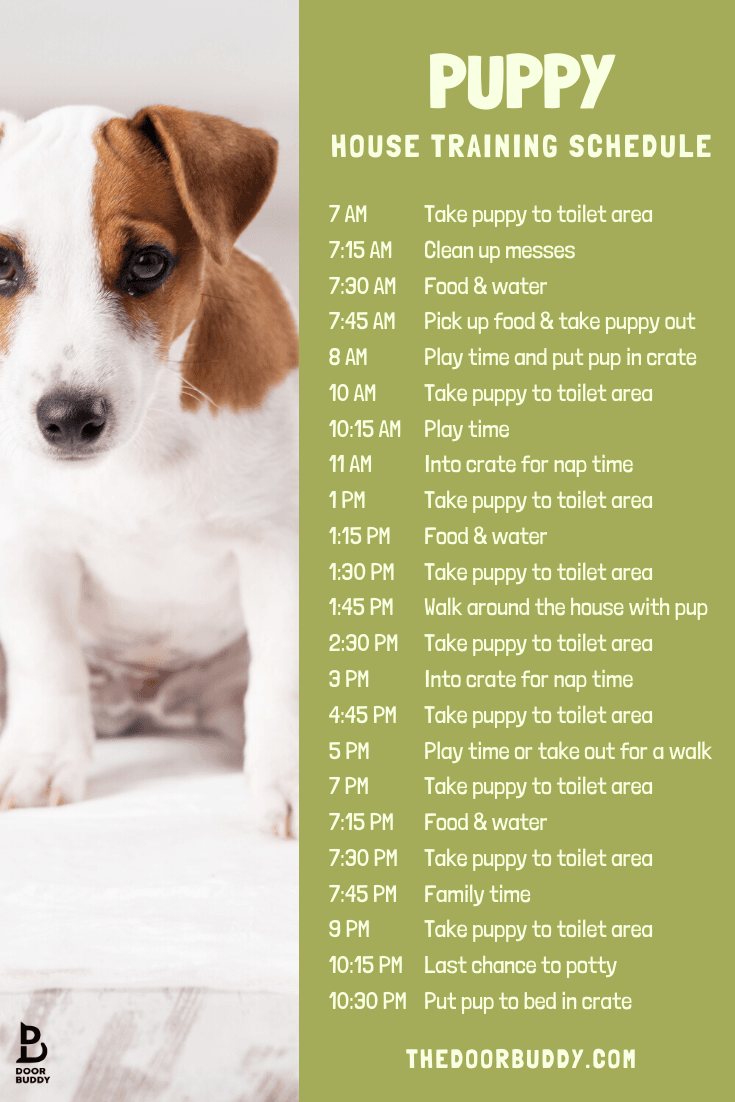
Bringing a new puppy or even an older dog into your home is an exciting time, filled with joy and the promise of a loyal companion. However, one of the first major hurdles most new dog owners face is house training. It’s a process that requires patience, consistency, and a good understanding of canine behavior. But don’t worry, with the right approach, you can successfully [house train a dog] and establish good habits that will last a lifetime. This guide will walk you through everything you need to know, from understanding your dog’s needs to implementing effective training techniques.
Understanding the Basics of House Training
Before diving into specific methods, it’s crucial to grasp a few fundamental principles. Dogs, by nature, are clean animals and generally avoid soiling their sleeping and eating areas. The key is to help them understand that your home is their den, and specific outdoor areas are designated for elimination. This involves management, positive reinforcement, and consistency.
Why Do Dogs Have Accidents Indoors?
Accidents happen for various reasons, especially in puppies who have less bladder control and awareness. Common causes include:
- Lack of proper training: Not being consistently taken out to a designated spot.
- Medical issues: Urinary tract infections, kidney problems, or other health concerns can lead to sudden accidents.
- Anxiety or stress: New environments, changes in routine, or separation anxiety can trigger indoor elimination.
- Incomplete training: If training was rushed or inconsistent, older dogs might still have occasional accidents.
- Submissive or excitement urination: Common in puppies and young dogs, this is often outgrown with confidence-building.
It’s always a good idea to consult your veterinarian if you suspect a medical reason for persistent accidents.
What You’ll Need
Gathering the right supplies beforehand can make the process smoother:
- Crate: A comfortable and appropriately sized crate can be a valuable tool for [House Training A Dog].
- Enzymatic Cleaner: Essential for thoroughly cleaning up accidents to eliminate odors that might attract your dog back to the same spot.
- Leash and Collar/Harness: For supervised potty breaks outdoors.
- High-Value Treats: Small, tasty rewards to praise your dog immediately after successful elimination outside.
- Patience and Consistency: The most important tools in your arsenal!
Getting Started: Setting Up for Success
Effective house training begins with setting up your environment and routine for success. This means managing your dog’s access to your home and creating a predictable schedule.
Establishing a Routine
Consistency is king when it comes to house training. Dogs thrive on routine, and a predictable schedule helps them understand when it’s time to go outside.
- First Thing in the Morning: Take your dog out immediately upon waking up.
- After Meals and Drinks: Offer a potty break about 15-30 minutes after they eat or drink.
- After Naps: Just like waking up, a potty break is necessary after any sleep.
- After Playtime or Excitement: High energy activities can stimulate the need to go.
- Before Bedtime: A final trip outside ensures a drier night.
Establish a consistent potty cue word, like “Go potty” or “Hurry up,” and use it every time you take your dog out for elimination.
Crate Training: A Powerful Ally
Crate training is a highly effective method for [house training a dog] because it taps into a dog’s natural instinct to keep their den clean.
- Size Matters: The crate should be just large enough for your dog to stand up, turn around, and lie down comfortably. If it’s too large, they might use one end as a bathroom. You can use dividers for puppies.
- Positive Association: Make the crate a positive place. Feed meals inside, toss treats in, and offer puzzle toys. Never use the crate as punishment.
- Gradual Introduction: Start with short periods, gradually increasing the duration. Ensure your dog is tired and has eliminated before going into the crate.
- Supervision When Out: When your dog is not in the crate, they should be supervised closely, especially in the initial stages.
How do you house train a dog using a crate? The general idea is that if your dog is in a confined space where they sleep and eat, they are less likely to soil it. When they are taken out of the crate, they should be immediately taken outside to their designated potty spot. If they eliminate successfully, reward them generously. If they don’t, they go back into the crate for a short period before another attempt.
Potty Training Techniques: From Puppyhood to Adulthood
Whether you have a young puppy or an older dog needing a refresher, these techniques are fundamental to [dog house training techniques].
For Puppies
Puppies have small bladders and require frequent potty breaks.
- Frequent Outings: Take your puppy out every 1-2 hours initially, and especially during the times mentioned in the routine.
- Immediate Reward: The moment your puppy finishes their business outside, praise them enthusiastically and give a high-value treat. This immediate positive reinforcement is crucial.
- Accident Management: If you catch your puppy in the act indoors, interrupt them with a calm sound (like a clap), immediately scoop them up, and take them outside. If they finish outside, praise them. If you find an accident after it has happened, simply clean it up without punishment. Punishing a dog after the fact doesn’t teach them what you want, only to fear you.
- Supervise Closely: Keep a close eye on your puppy when they are not in their crate or confined area. Look for signs they need to go, such as sniffing the ground intently, circling, or whining.
For Adult Dogs
Older dogs can absolutely be house-trained, though it may take a bit longer if they’ve developed bad habits.
- Rule Out Medical Issues: As mentioned, a vet visit is the first step.
- Consistent Schedule: Stick to a rigorous potty schedule, just like with a puppy.
- Confine When Unsupervised: Use a crate or a confined area when you cannot actively supervise.
- Positive Reinforcement: Reward successful eliminations outdoors with praise and treats.
- Patience is Key: Older dogs may have ingrained habits that take time to break. Avoid getting frustrated.
How to train older dog to use pee pad? If you are using pee pads as an intermediate step or for a dog that cannot go outside reliably, place the pads in a designated, easily accessible area. Take your dog to the pad frequently, especially after waking, eating, or playing. Reward them for using the pad. Gradually move the pads closer to the door or desired outdoor spot.
Troubleshooting Common House Training Problems
Even with the best efforts, you might encounter some challenges. Here’s how to address them:
Accidents Happen: What to Do
- Clean Thoroughly: Use an enzymatic cleaner. Regular cleaners might remove the visible stain, but the enzymes break down the odor molecules that dogs can still detect, preventing them from returning to the same spot.
- Don’t Punish: Never rub your dog’s nose in it or scold them after the fact. This creates fear and anxiety, making training harder. Focus on rewarding the right behavior.
Dog Keeps Peeing in the Same Spot Indoors
This usually means the area hasn’t been cleaned thoroughly enough with an enzymatic cleaner, or there’s an underlying behavioral issue like marking or anxiety. Re-evaluate your cleaning methods and consider if there have been any recent changes in the dog’s environment or routine.
How do you house train a dog to stop peeing in the house? It’s a combination of diligent management, consistent routine, positive reinforcement for outdoors, and thorough cleaning of indoor accidents. If the problem persists, seek professional guidance from a trainer or behaviorist.
Resistance to Going Outside
If your dog seems hesitant or refuses to eliminate outside, consider:
- The Spot: Is the designated spot too noisy, too busy, or otherwise unappealing? Try a different location in your yard.
- Weather: Some dogs dislike rain, snow, or extreme temperatures. You might need to invest in a doggy raincoat or provide a sheltered area.
- Distractions: Ensure the potty area is relatively distraction-free when you’re trying to encourage elimination.
The Role of Diet and Hydration
What your dog eats and drinks significantly impacts their potty habits.
- Consistent Feeding Schedule: Feeding your dog at the same times each day helps regulate their digestive system and predict when they’ll need to go out.
- High-Quality Food: A good diet promotes healthy digestion and can reduce the frequency of loose stools or other digestive upset that can lead to accidents.
- Water Availability: Ensure fresh water is always available, but you might want to limit access an hour or two before bedtime to minimize nighttime potty breaks.
When to Seek Professional Help
While most dogs can be house-trained with consistent effort, some situations may require professional intervention.
- Persistent Accidents: If your dog continues to have accidents despite your best efforts, a certified professional dog trainer or a veterinary behaviorist can help identify underlying issues and develop a tailored plan.
- Aggression During Training: If your dog shows any signs of aggression when you try to correct them or take them outside, this is a serious concern that requires immediate professional assessment.
- Anxiety-Related Issues: If house soiling is linked to severe separation anxiety or other emotional distress, a behaviorist can provide specialized support.
Frequently Asked Questions about House Training a Dog
Q1: How long does it typically take to house train a dog?
A: For puppies, it can take anywhere from a few weeks to several months. Adult dogs may also take a similar amount of time, depending on their history and your consistency. Patience is key.
Q2: Should I punish my dog for having an accident?
A: No. Punishment after the fact is ineffective and can create fear and anxiety. Focus on positive reinforcement for successful eliminations outdoors and diligent supervision and management indoors.
Q3: How can I prevent my dog from having accidents at night?
A: Ensure your dog has a final potty break right before bed. Make sure their sleeping area (like a crate) is not too large, as dogs instinctively avoid soiling where they sleep. If accidents persist, consider restricting water intake an hour or two before bedtime.
Q4: What’s the difference between house training a puppy and an older dog?
A: Puppies have less bladder control and need more frequent trips outside. Older dogs may have established habits or underlying medical conditions that need to be addressed. The core principles of routine, supervision, and positive reinforcement remain the same.
Q5: My dog holds it all day while I’m at work, then has accidents as soon as I get home. What should I do?
A: This could indicate separation anxiety or that your dog is reluctant to eliminate in a less-than-ideal potty spot. Ensure the dog has ample opportunity to go right before you leave and immediately upon your return. Consider a dog walker or doggy daycare if you’re gone for very long periods.
Conclusion: The Rewarding Journey of a Well-Trained Dog
House training is a fundamental aspect of responsible dog ownership. It builds a strong foundation for your relationship, ensuring a harmonious living environment for both you and your canine companion. By understanding your dog’s needs, establishing a consistent routine, using positive reinforcement, and addressing challenges with patience, you can successfully [house train a dog]. The effort you invest now will pay off immensely, leading to years of happy companionship with a well-behaved, confident dog. Remember, every dog learns at their own pace, so celebrate the small victories and enjoy the journey of building a strong bond with your furry friend.
