
House training a basset hound puppy can often feel like navigating a labyrinth, where each twist and turn presents new challenges and insights. With their endearing saggy ears and affectionate demeanor, basset hounds are truly lovable companions. However, they come equipped with unique personalities and instinctual traits that make house training a special journey. Known for their stubbornness and slow learning pace, basset hounds require patience, determination, and a well-structured routine to foster success.

Establishing a consistent schedule is vital—one that aligns potty breaks with feeding times and play sessions. This structured approach not only helps your puppy understand when and where to relieve themselves but also builds a reliable foundation for long-term good habits. Throughout this article, we will explore the essential components of house training a basset hound puppy, providing you with creative insights and practical techniques to turn this journey into an enjoyable bonding experience.
Understanding the Nature of Basset Hounds

To effectively house train a basset hound puppy, it’s crucial to understand their inherent characteristics. These dogs are known for their playful yet stubborn nature, which can turn training into a tug-of-war game between owner and puppy.
The Personality Traits of Basset Hounds

Basset hounds are characterized by their unique combination of affectionate demeanor and laid-back attitude. Their gentleness and loyalty make them wonderful family pets; however, they also possess a strong-willed streak.
This stubbornness can lead to challenges during the house training process as they may resist commands or simply take their time to respond. As an owner, it’s important to recognize and embrace these traits rather than fight against them. Remember, every puppy has a distinct personality, and understanding your basset’s individual quirks will enhance your training experience.
As you embark on this journey, viewing house training as a collaborative opportunity rather than a battle will create a more positive environment for both you and your puppy.
House Training a Basset Hound Puppy – Embracing Patience and Consistency
When training a basset hound puppy, patience and consistency are paramount. Imagine embarking on a lengthy road trip—the destination may be appealing, but the journey is equally significant.
Every minor setback, like an indoor accident, should be viewed as a part of the learning process. Instead of getting frustrated, remind yourself that each basset hound learns at their own pace. You may find yourself taking your puppy out every half hour in the beginning, but remember, these intervals will eventually lengthen as routines solidify.
In those moments when you feel overwhelmed, focus on celebrating small victories. Whether your pup successfully eliminates outside or simply shows signs of needing to go, acknowledge these accomplishments. Positive reinforcement through praise or treats fosters a sense of trust and encourages repeat behavior.
The Bonding Experience

House training is not just about teaching your basset hound where to relieve themselves; it’s a fantastic bonding experience. Each walk outside becomes an opportunity for connection, understanding, and communication between you and your furry companion.
Take a moment to relish the joys of the journey. When you see progress, no matter how small, allow those feelings of pride and joy to wash over you. This relationship-building aspect of house training can deepen your bond and create a lasting friendship filled with cherished memories.
Establishing a Potty Schedule
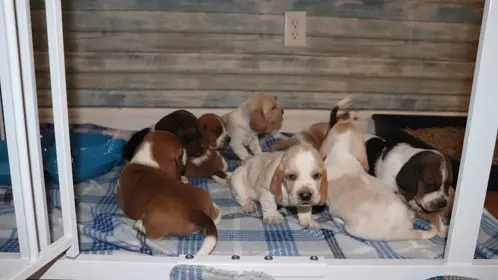
A systematic approach to house training can significantly enhance your chances of success. Establishing a reliable potty schedule creates structure within your puppy’s daily routine, making the entire process smoother for both parties involved.
Creating a Reliable Routine
Creating a predictable schedule is one of the most effective strategies to help your basset hound puppy learn when it’s time to go outdoors. By aligning potty breaks with feeding times, you provide clear signals to your pup regarding expected behavior.
Consider your puppy’s natural rhythms—most dogs need to eliminate shortly after meals or vigorous playtime. If you observe these patterns, document them for clarity. Over time, you’ll identify specific times throughout the day when your puppy reliably indicates they need to go outside. This observation-driven approach mirrors how athletes track performance metrics to improve skills.
Maintaining Consistency
Once you establish a routine, maintaining consistency is vital. Dogs thrive on predictability, and your basset hound will quickly learn to associate certain times of day with potty breaks.
Incorporate cues such as verbal commands or specific phrases like “go potty” during outdoor sessions. This repetition reinforces their understanding and strengthens the association between your words and actions.
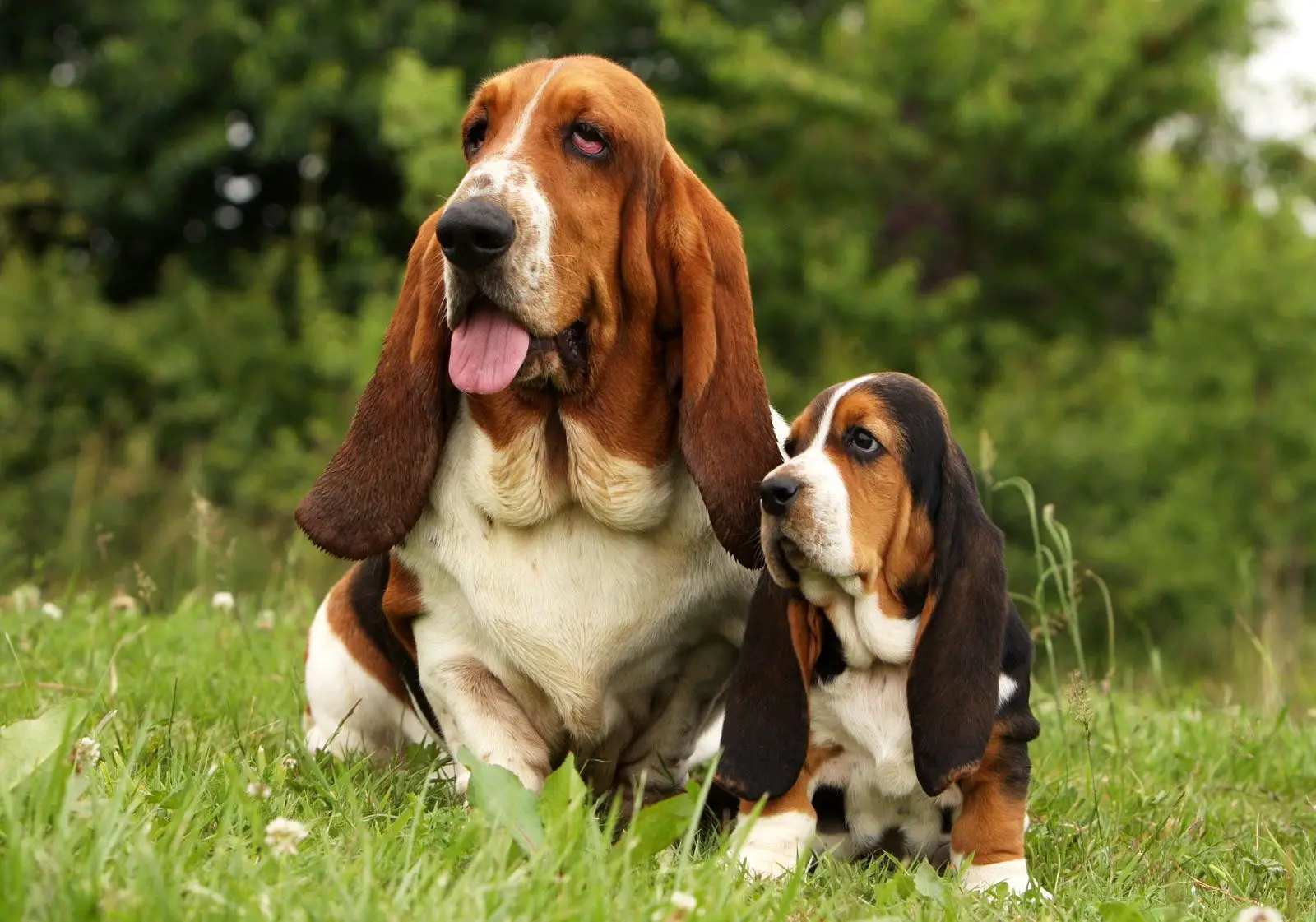
Remember, training is akin to teaching language skills to a child. Through persistent practice and context, your basset hound will gradually comprehend what is expected of them. Celebrate milestones along the way; whether it’s a successful potty trip or a decrease in indoor accidents, acknowledging progress fuels motivation.
Adjusting the Schedule Over Time
As your basset hound grows and their bladder control improves, you may notice that their potty schedule requires adjustments. Initially, taking your puppy out every 20 to 30 minutes might be necessary, especially after meals or playtime. However, as routines solidify, you’ll likely find that these intervals can be extended gradually.
Being attentive to your puppy’s needs will be key during this phase. Pay close attention to signs indicating they need to go out, such as sniffing around, circling, or heading toward the door. Recognizing these behaviors will empower you to preemptively act, reinforcing proper habits without unnecessary stress.
Training Techniques That Work

Beyond timing and observation, employing various training techniques can add flair to your house training efforts. A multi-faceted approach ensures that your basset hound remains engaged throughout the process.
Utilizing Verbal Cues
Using verbal cues is an excellent technique for communicating expectations to your puppy. Incorporate simple command phrases like “go potty” and consistently use them when you take your puppy outside.
The goal is to associate the command with the action until your basset hound understands what is expected when they hear the phrase. Just like teaching a child vocabulary, repetition is essential for comprehension.
Over time, these verbal cues will carry significant meaning for your puppy. Consider incorporating these phrases into your daily routine, so they naturally become part of your interactions with your furry friend.
Positive Reinforcement Strategies
Positive reinforcement is a powerful tool in the dog-training arsenal. Celebrate every successful potty trip with enthusiastic praise or a small treat. This positive association reinforces desired behaviors and motivates your basset hound to repeat them.
Make sure your rewards are immediate and heartfelt—dogs thrive on emotional connections. When your puppy successfully eliminates outside, shower them with affection and excitement. This interaction builds a connection between good behavior and rewarding outcomes, encouraging them to repeat the action in the future.
The Importance of Distraction-Free Areas
When establishing designated potty areas, ensure that distractions are minimized. It’s essential that your puppy can focus solely on doing their business in a calm environment.
During initial training sessions, stand with your puppy on a leash in the chosen potty area for about five minutes. This timeframe allows them ample opportunity to relieve themselves without feeling rushed. If they seem distracted or hesitant, gently encourage them to refocus.
By creating a serene space for potty breaks, you foster an atmosphere conducive to successful training. Over time, your basset hound will learn to associate these areas with relief, boosting their confidence and understanding.
Navigating Setbacks and Challenges
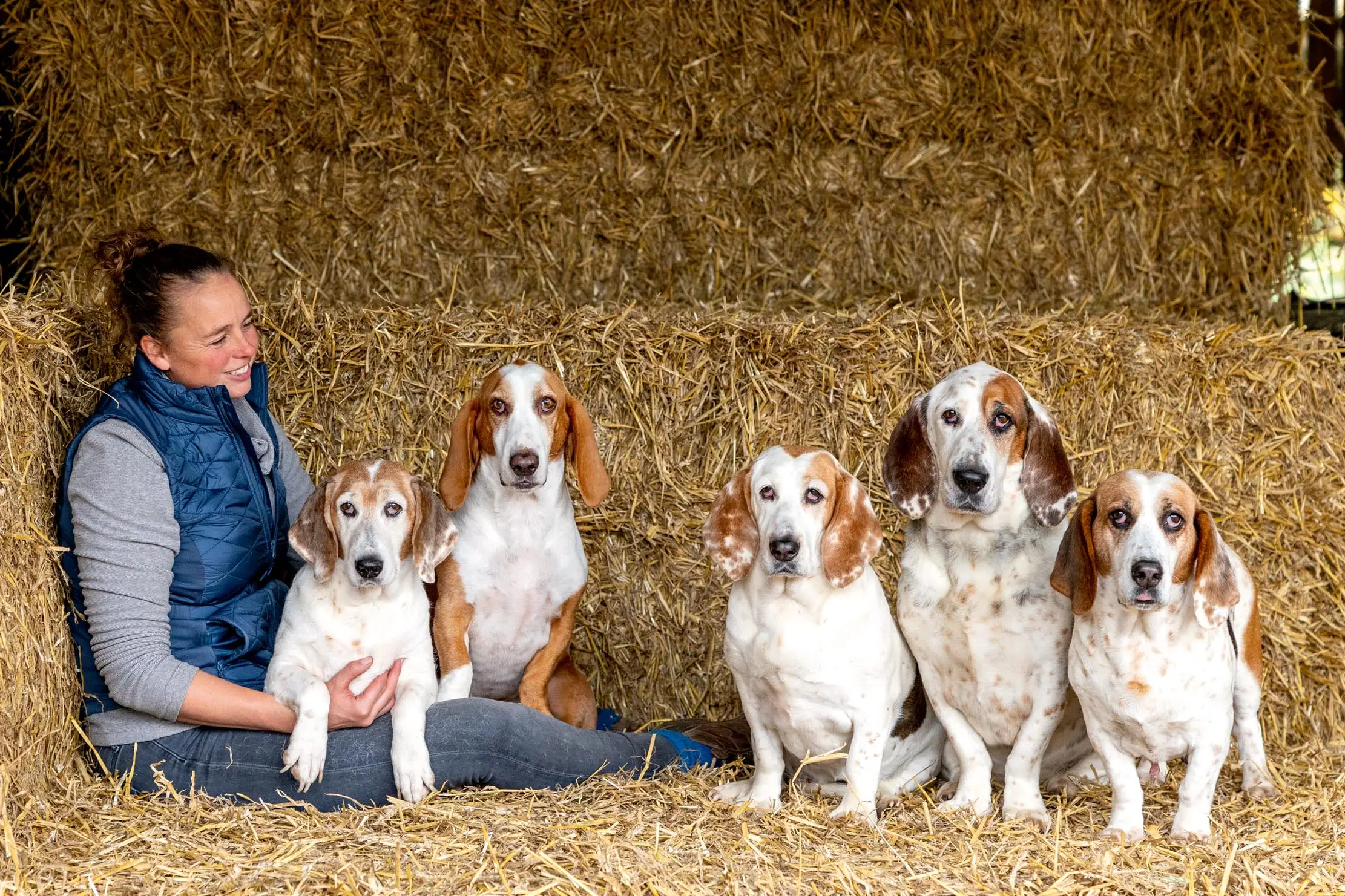
Despite your best efforts, setbacks are an inevitable part of the house training journey. Embracing these challenges with an open mind and heart will lead to personal growth and a deeper connection with your basset hound.
Understanding Mishaps Occur
It’s important to recognize that accidents will happen, even with diligent training. Your basset hound may have a bathroom mishap inside the house despite weeks of effort—this scenario can be frustrating, but it’s crucial to remember that each puppy learns at their own pace.
Instead of reacting harshly, approach the situation with understanding. Assess the circumstances surrounding the incident: Was there a significant change in the environment? Were they unable to access the designated potty area in time?
Acknowledging the reasons behind setbacks allows you to modify your training methods while remaining empathetic toward your puppy’s experience. Remember, house training is a journey filled with ups and downs, and embracing this reality will foster resilience in both of you.
Seeking Guidance and Support
If you encounter persistent challenges during the house training process, don’t hesitate to seek guidance from professional trainers or resources tailored to basset hounds. Each breed has its nuances, and specialized advice can prove invaluable in addressing the specific needs of your puppy.
Engaging with other pet owners or online communities can provide additional insights and strategies that resonate with your unique situation. Sharing experiences with fellow basset hound owners can offer comfort and camaraderie during trying times.
Celebrating Progress Together
While house training can be demanding, it’s essential to celebrate the progress you achieve together. Each successful potty trip outside signifies a step forward in your journey, instilling confidence in both you and your puppy.
Creating a visual record of achievements—like a chart with stickers or notes—can be a fun and motivating way to track progress. As you reach milestones, reward your puppy with extra affection or special outings to reinforce the bond between you.
Conclusion

In conclusion, house training a basset hound puppy is a journey that requires a dynamic blend of patience, consistency, observation, and emotional connection. By embracing the multifaceted aspects of training, you unlock a world where mishaps transform into stepping stones toward mutual understanding.
Through the exploration of routines, training techniques, and the acknowledgment of setbacks, you pave the way for a harmonious cohabitation filled with joy and companionship. Ultimately, the journey of house training transcends mere instruction; it evolves into a powerful bonding experience that deepens the love shared between you and your basset hound. As you navigate this labyrinth together, cherish the moments you spend alongside your pup, for they will undoubtedly become beloved memories in the adventure of life.
