
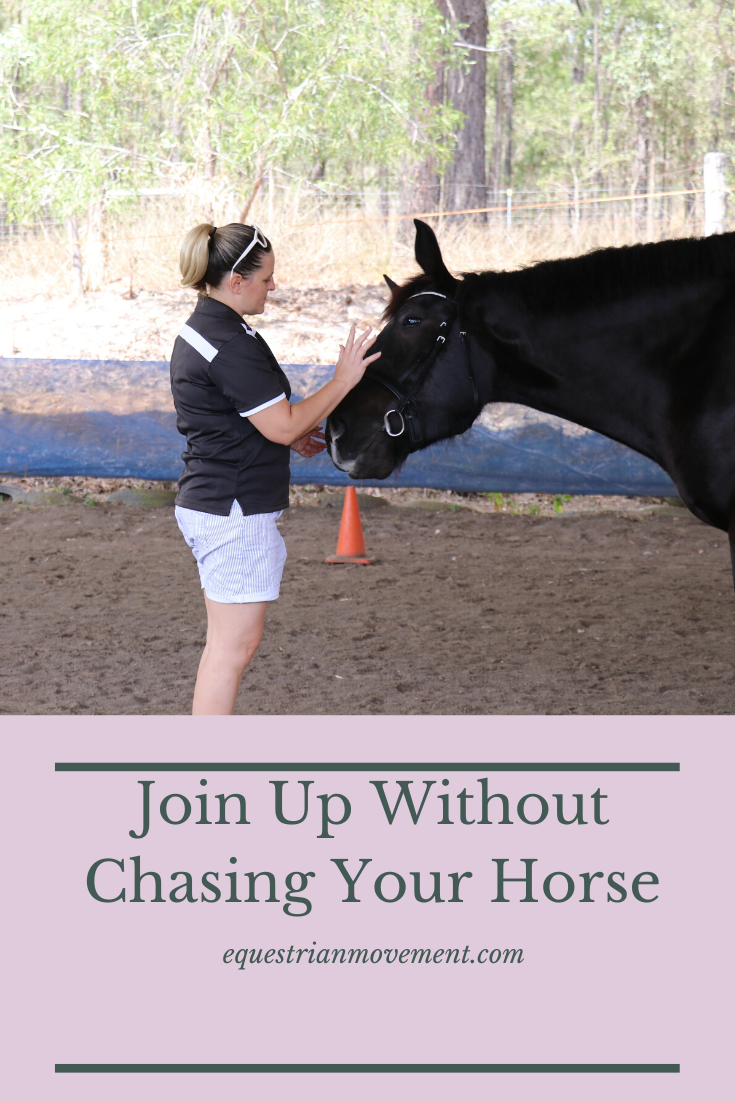
The journey of training a horse is far more than just teaching commands; it’s about forging a deep, trusting partnership that fosters both exceptional performance and a profound connection. Whether you’re embarking on your first training endeavors or seeking to refine advanced techniques, understanding the core principles of horse training is paramount. This guide delves into the essential aspects, from foundational groundwork to sophisticated methods, all while emphasizing the ethical and humane treatment that underpins successful horse training.
Understanding the Equine Mind
Before any training can begin, it’s crucial to grasp how horses think, learn, and perceive the world. Horses are prey animals, and their instincts shape their reactions. They often respond to pressure and release, learning through association and repetition. Understanding their body language—ear position, tail swishes, foot movements—is key to interpreting their feelings and intentions. Patience and consistency are not just virtues in horse training; they are necessities. A horse that feels understood and respected is far more likely to engage willingly in the learning process.
Foundational Training: The Bedrock of Success
The initial stages of training lay the groundwork for all future learning. This typically begins on the ground, focusing on establishing respect and clear communication. Key elements include:
Desensitization
Introducing the horse to various stimuli—novel objects, sounds, and movements—in a controlled and gradual manner helps them develop confidence and reduces spookiness. This process should always prioritize the horse’s comfort, allowing them to investigate at their own pace.
Leading and Halter Breaking
Teaching a horse to yield to gentle pressure when leading and to stand calmly when tied are fundamental skills. This builds responsiveness and teaches the horse to follow your lead, quite literally.
Respecting Personal Space
Horses need to understand boundaries. Training involves teaching them to move away from pressure and to respect your space, both on the ground and later, under saddle. This is crucial for safety and for establishing leadership.
Under Saddle Training: Developing Partnership
Once a solid foundation is established on the ground, training transitions to under saddle work. This phase focuses on teaching the horse to respond to the rider’s aids—seat, legs, and reins—while maintaining balance and attentiveness.
Basic Aids
- Seat: Your weight and balance convey subtle cues. Learning to sit balanced and follow the horse’s motion is essential.
- Legs: Applied gently, your legs can ask the horse to move forward, sideways, or turn.
- Reins: Used for steering, collection, and balance, reins should be applied with a soft, elastic feel, not as a harsh restriction.
Developing Responsiveness
The goal is for the horse to respond to aids quickly, lightly, and correctly. This requires consistent practice and clear communication from the rider. For instance, teaching the horse to move forward with a gentle leg cue and stop with a soft rein is a basic yet vital interaction. foundation training for horses provides the essential building blocks for this responsiveness.
Gaits and Transitions
Training involves refining the horse’s natural gaits—walk, trot, canter—and teaching smooth, balanced transitions between them. This improves the horse’s athleticism and responsiveness.
Advanced Training Techniques
As the horse progresses, more specialized training can be introduced, depending on the discipline (e.g., dressage, jumping, Western pleasure).
Collection and Extension
In disciplines like dressage, training focuses on developing the horse’s ability to shorten its frame (collection) for increased impulsion and agility, and to lengthen its stride (extension) for power and freedom.
Jumping and Coursework
For jumping horses, training involves building confidence over fences, developing correct jumping form, and teaching the horse to navigate courses accurately and efficiently. This requires careful conditioning and practice. interval training horses programme can be integral to preparing a horse for the physical demands of jumping.
Specific Discipline Training
Each equestrian discipline has its unique set of skills and requirements. Whether it’s reining patterns in Western riding or piaffe and passage in dressage, advanced training is tailored to the specific demands of the sport. Searching for horses in training sale can reveal horses already proficient in various disciplines, showcasing the results of dedicated training.
Ethical Considerations in Horse Training
At the heart of all effective horse training lies a commitment to the horse’s well-being. This means employing methods that are humane, ethical, and scientifically sound.
Positive Reinforcement and Clicker Training
While traditional methods often relied on pressure and punishment, modern ethical training increasingly incorporates positive reinforcement. Rewarding desired behaviors with treats, praise, or a release of pressure encourages the horse to repeat those actions. Clicker training, a form of positive reinforcement, uses a distinct click sound to mark the exact moment a correct behavior occurs, followed by a reward.
Understanding and Avoiding Unwanted Behaviors
Many challenging behaviors in horses stem from fear, confusion, or physical discomfort. Instead of resorting to forceful corrections, ethical trainers seek to understand the root cause. For example, a horse that is nervous about nervous horses training needs patient desensitization, not harsh discipline.
The Role of Equipment
Training aids, such as training leads for horses, should always be used judiciously to aid communication, not to force compliance. The focus should be on teaching the horse to respond to subtle cues, minimizing reliance on artificial aids.
Building a Lasting Partnership
Ultimately, successful horse training is about building a relationship. It’s a continuous process of learning, adapting, and communicating. When training is approached with empathy, knowledge, and respect, the result is not just a well-behaved horse, but a loyal partner with whom you can share countless adventures. The investment in patient, ethical training pays dividends in confidence, capability, and an unbreakable bond.
