
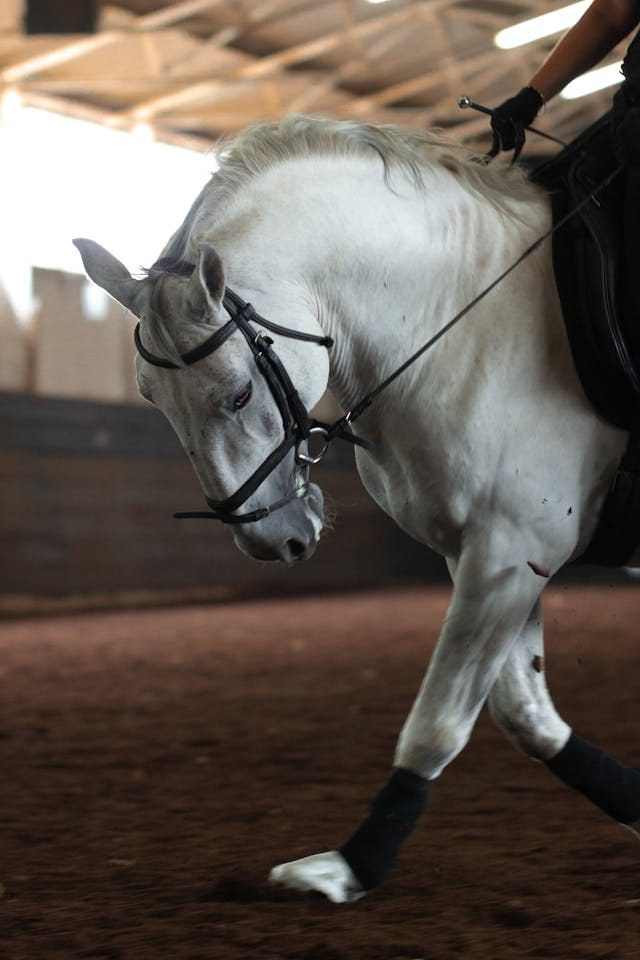
The term “whip” can conjure images that make modern, compassionate equestrians uncomfortable. For many, it speaks of force and dominance, relics of a bygone era. However, in the world of professional and ethical horsemanship, Horse Training Whips are not instruments of punishment but sophisticated tools for communication. When understood and used correctly, a whip becomes a subtle, effective extension of the rider’s aids, helping to foster a lighter, more responsive, and more harmonious partnership between horse and human. It’s about creating a dialogue, not delivering a monologue.
This guide is designed to demystify the horse training whip, moving past the stigma to reveal its true purpose. We will explore the different types of whips, the nuanced techniques for their use, and the unwavering ethical principles that must guide every interaction. For the team at Equine Excellence, horsemanship is an art form built on trust, and every tool we use must serve to strengthen that sacred bond.
What a Horse Training Whip Really Is
Before we can use a tool effectively, we must understand its fundamental purpose. A horse training whip is not intended to inflict pain or to be used in anger. Its primary functions are to refine communication and provide clarity to the horse. Think of it as an extension of your arm or leg, allowing you to give a precise cue to a specific part of the horse’s body without altering your position or balance.
The goal is to use the lightest possible cue to get the desired response. A whip can support your leg aids, encourage a horse to move forward with more impulsion, or help maintain straightness and balance. It’s a tool for enhancing focus, not instilling fear. In fact, a horse that fears the whip will be tense, anxious, and unable to learn effectively, which is counterproductive to any training goal.
As equine behaviorist Dr. Eleanor Vance often states, “The effectiveness of an aid isn’t measured in its force, but in its clarity. A properly used whip whispers a suggestion to the horse’s hindquarters; an improperly used one screams a threat that shatters the entire conversation.”
The Main Types of Horse Training Whips
Not all whips are created equal. Each type is designed for a specific purpose, with its length, flexibility, and end-piece tailored to the discipline. Using the wrong whip can be ineffective at best and confusing for the horse at worst.
The Lunge Whip
The lunge whip is the longest of the training whips, typically featuring a long, stiff stock and an equally long lash at the end. It is used exclusively for groundwork, specifically for lunging, where the handler sends the horse out to work in a circle around them. The length is essential for safety and effectiveness, allowing the handler to influence the horse’s hindquarters and encourage forward movement from a distance. The lunge whip acts as a directional cue, often pointed at the horse’s hip or shoulder to maintain the circle and regulate pace. The sound of the lash cracking (a sound made by breaking the sound barrier, not by hitting the horse) can be used to ask for more energy.
The Dressage Whip
A dressage whip is long and slender, ranging from 100cm to 120cm, and is designed to be used while riding. Its length allows the rider to tap the horse gently behind their leg without having to release the reins or significantly alter their hand position. This is crucial in dressage, where a steady, consistent contact with the horse’s mouth is paramount. The dressage whip is used to reinforce a leg aid, asking the horse to be more active with its hind legs or to improve its response to a lateral cue. It’s a tool for refinement and precision, helping the rider achieve a higher level of engagement and collection.
The Riding Crop or Bat
Shorter and stiffer than a dressage whip, the riding crop (also known as a bat or stick) is most commonly seen in jumping and general-purpose riding. It typically has a padded “keeper” or “popper” at the end instead of a thin lash. Its shorter length makes it convenient and safe to carry when riding at faster gaits or over fences. The crop is used to back up a leg aid when a horse is hesitant or ignoring the rider’s cue, such as refusing a jump or being sluggish on the trail. The tap should be a quick, deliberate action behind the rider’s leg to mean “go forward,” not a display of frustration.
How to Use Horse Training Whips Ethically
The ethical use of a whip is non-negotiable. It hinges on one core principle: pressure and release. The whip is used to apply a subtle pressure (a cue), and the instant the horse responds correctly, the pressure is removed (the release). This is how horses learn. The release teaches them they have found the right answer.
Guiding Principles for Ethical Use:
- Never Use It in Anger: A whip should never be used to vent a rider’s frustration. If you feel yourself getting angry, it’s time to end the training session on a positive note and try again another day. Using a whip emotionally breaks trust and creates fear.
- Always Cue, Then Reinforce: Your natural aids (legs, seat, voice) should always be your first line of communication. The whip is a secondary aid, used only to reinforce a cue the horse has ignored. For example, you first apply leg pressure to ask for a trot. If there is no response, you apply the same leg pressure again, this time accompanied by a light tap from the whip behind your leg.
- Use the Right Location: The whip should only be applied to the horse’s main barrel (behind the rider’s leg) or, in some cases, a gentle tap on the shoulder to prevent drifting sideways. Never use a whip on sensitive areas like the head, flank, or belly.
- Be Quick and Clear: A tap with a whip should be a single, light, and immediate action. Repetitive, nagging tapping is ineffective and teaches the horse to ignore the aid.
When you begin to understand the nuances of aids, you may find yourself exploring other methods of communication. For some, this journey leads to a deeper connection with their horse, similar to the bond required for liberty training horses near me where communication is based almost entirely on body language.
Common Mistakes to Avoid
Misusing a whip can quickly damage your training progress and your relationship with your horse. Awareness of common pitfalls is key to avoiding them.
- Poor Timing: The most common mistake is incorrect timing. The reinforcing tap must come within a second or two of the initial, ignored cue. If you wait too long, the horse won’t connect the tap with your original request.
- Using it as a Punishment: Tapping a horse after it has misbehaved (e.g., spooking or refusing a fence) is punishing it. The horse will associate the punishment with the object it spooked at or the fence itself, not with its own action. This creates anxiety and avoidance.
- Nagging with the Whip: Constantly tapping the horse with the whip is like static noise. The horse will eventually tune it out completely, making the tool useless when you actually need it.
- Threatening Gestures: Waving the whip around or holding it in a threatening manner creates a tense and fearful horse. The horse should be relaxed and confident in the presence of the whip, both on the ground and under saddle.
Choosing the Right Whip for You
Selecting the right whip depends entirely on your primary equestrian discipline and your horse’s needs.
- For Groundwork and Lunging: A lunge whip is the only appropriate choice. Its length is essential for maintaining a safe distance and providing effective cues.
- For Dressage: A dressage whip is necessary. Its length is designed to allow for precise cues without disturbing the rider’s posture or rein contact.
- For Jumping and Trail Riding: A shorter jumping bat is the safest and most practical option. It is less likely to get caught on branches or interfere during a jump.
When making a selection, consider the whip’s balance and weight. It should feel comfortable in your hand and not be cumbersome. The material and grip are also important for maintaining a secure hold, even with gloves on.
Frequently Asked Questions (FAQ)
1. Are horse training whips cruel?
When used correctly as a communication tool, a whip is not cruel. It is a means of providing a clear, light cue to reinforce a request. However, any tool can become cruel when used with excessive force, in anger, or for punishment. Ethical use is entirely the rider’s responsibility.
2. How do I teach my horse not to be scared of the whip?
Desensitization is key. Start on the ground by gently rubbing the horse all over its body with the whip, starting with the shoulder and moving slowly. Reward the horse with praise or a treat for standing quietly. This teaches the horse that the whip itself is not a threat.
3. What is the difference between a whip and a crop?
Generally, the term “whip” is a broad category. A “crop” is a specific type of short whip, often with a padded popper at the end, used for disciplines like show jumping. All crops are whips, but not all whips are crops.
4. Do I really need a whip?
Not every rider or horse needs a whip for every ride. Many well-trained horses are highly responsive to seat and leg aids alone. However, a whip is a valuable tool for schooling, refining communication, and confirming that the horse is truly listening to the rider’s forward aids.
5. How do I know if I’m using the whip too hard?
A correct tap should be just firm enough to get a response. It should never leave a mark or break the skin. If your horse reacts with fear—such as jumping, bolting, or kicking out—your aid was likely too strong or poorly timed. The goal is responsiveness, not a reaction born from fear.
Conclusion: A Tool for Partnership
Ultimately, horse training whips are tools of clarification. They are at their best when used so subtly and infrequently that an observer might not even notice. Moving beyond the outdated perception of the whip as an instrument of force allows us to embrace it as part of a sophisticated communication system. By prioritizing timing, feel, and the unwavering principle of pressure and release, we can use these aids to build a more responsive, confident, and willing partner in our horses. At Equine Excellence, we believe that true horsemanship is about elevating this partnership, and the mindful use of every tool is a step toward that ultimate goal.
