
Welcome, fellow equine enthusiasts! If you’re looking to deepen your bond with your horse, enhance their responsiveness, and impress with a touch of flair, you’ve come to the right place. This isn’t just about teaching a few cool maneuvers; it’s about understanding the art of Horse Training Tricks, fostering a partnership built on trust, and unlocking your horse’s incredible intelligence and athleticism. We’ll explore how to introduce and perfect a variety of tricks, ensuring the process is as rewarding for your horse as it is for you. Engaging in activities like horse training tricks can significantly improve communication and create a more enjoyable experience for both horse and rider.
The Foundation of Trick Training: Building Trust and Communication
Before we dive into specific tricks, it’s crucial to establish a solid foundation. Trick training, much like any form of horse training, relies heavily on positive reinforcement and clear communication. Your horse needs to trust you implicitly and understand your cues. This means ensuring your basic groundwork is solid.
- Understanding Horse Behavior: Horses are intelligent, sensitive creatures. They learn through association and repetition. Understanding their natural behaviors, body language, and flight instinct is paramount. When a horse feels safe and understood, they are more willing to learn and try new things.
- Positive Reinforcement: This is the cornerstone of effective and ethical training. Rewarding desired behaviors with something your horse values – be it a tasty treat, a gentle scratch in a favorite spot, or verbal praise – encourages them to repeat those actions. Avoid punishment, as it can breed fear and mistrust, hindering progress in horse training tricks.
- Clear and Consistent Cues: Whether you use verbal cues, body language, or a combination, consistency is key. Your horse needs to understand exactly what you are asking for each time. Ambiguous cues lead to confusion and frustration for both of you.
- Short, Engaging Sessions: Horses have relatively short attention spans. Keep training sessions brief (10-20 minutes) and focused. End on a positive note, even if it’s just a simple, well-executed basic command. This keeps them eager for the next session. For those looking to enhance their understanding, exploring horse training tips and tricks can provide valuable insights into effective communication.
Introducing Foundational Tricks: The Building Blocks of Fun
Once you have a strong foundation of trust and clear communication, you can begin introducing some basic tricks. These are often extensions of natural behaviors or simple obedience commands.
The Bow
The bow is a classic trick that looks impressive and is relatively easy to teach. It involves the horse lowering their head and front legs while keeping their hindquarters elevated.
- Luring: Start by holding a treat or target stick just below your horse’s nose. Slowly lower it towards the ground between their front legs. As the horse follows the lure, they will naturally lower their head.
- Encouraging the Bow: As their head lowers, encourage them to lower their front legs by continuing to lower the lure. You’re looking for that moment when their knees start to bend.
- Rewarding: The instant you see any bend in the knees, praise and reward them. Gradually increase the duration and depth of the bow you expect before rewarding.
- Adding the Cue: Once your horse reliably follows the lure into a bow, start adding a verbal cue like “Bow” or “Down” just as you begin the luring motion. Eventually, you’ll be able to fade the lure and use only the cue. This type of foundational work is crucial for more advanced horse training tricks.
Targeting
Targeting, or teaching your horse to touch a specific object with their nose, is an incredibly versatile skill. It can be used to guide your horse, encourage them to move to a specific spot, or as a stepping stone for more complex tricks.
- Introduce the Target: Present a target stick (a stick with a ball or something distinctive on the end) or a cone. Let your horse investigate it.
- Reward Touching: The moment their nose touches the target, mark the behavior (with a clicker or a verbal marker like “Yes!”) and reward them.
- Extension: Gradually move the target away from its initial position, encouraging your horse to follow it. Reward every successful touch.
- Adding the Cue: Once they consistently touch the target, introduce a verbal cue like “Touch” or “Target.” Eventually, you can use the target as a visual cue itself. This is a fundamental skill for many tricks to train your horse.
Intermediate Tricks: Adding Complexity and Engagement
With the basics mastered, you can move on to slightly more challenging tricks that require more coordination and understanding from your horse.
The Reverence (Reverse Bow)
This trick is the opposite of the bow, where the horse lowers their hindquarters while keeping their front legs standing. It’s a beautiful display of balance and control.
- Starting Position: Begin with your horse standing square.
- Hindquarter Pressure: Apply gentle pressure to their flank, encouraging them to step their hind legs underneath them.
- Luring Down: As they shift their weight back, use a treat to lure their nose downwards towards their chest. This encourages them to lower their hindquarters.
- Reward: Reward any attempt to lower their hindquarters, even slightly. Gradually ask for more as they gain confidence. This often requires patience and understanding the horse’s balance. Teaching this trick can be greatly aided by using a horse clicker training target to guide their focus.
Laying Down
Teaching a horse to lie down on cue is a more advanced trick that requires significant trust and a clear understanding of pressure and release.
- Start with a Bow: Ensure your horse can perform a reliable bow.
- Luring Lower: From the bow position, continue to lure their nose down towards the ground. As they lower their head further, they may naturally try to bend their knees more.
- Encouraging Hindquarters Down: Gently apply pressure to their back or hindquarters as you continue to lure forward and down. The goal is to get them to shift their weight so far forward that they have to lie down.
- Release and Reward: The moment they lie down, release all pressure, praise enthusiastically, and reward. This trick demands extreme patience. Some horses pick it up quickly, while others take months. Always prioritize the horse’s comfort and willingness.
Advanced Tricks and Creative Combinations
Once your horse is comfortable with intermediate tricks, the possibilities become nearly endless. You can combine tricks, add props, or even teach them more complex sequences.
Riding Tricks
Some tricks can be performed while you are mounted, adding another layer of skill and partnership.
- Winking: This is often taught by gently touching the horse’s eyelid with a finger or a soft object until they squint or close their eye, then rewarding. A verbal cue like “Wink” can be added.
- Kissing: By holding a treat near your mouth and saying “Kiss,” you can encourage your horse to nuzzle or peck at your cheek. Reward generously.
Incorporating Props
Using props can make training more engaging and introduce new challenges.
- Carrying Objects: You can teach your horse to pick up and carry items like scarves or small baskets. This often starts with targeting and then progresses to gently taking the object in their mouth.
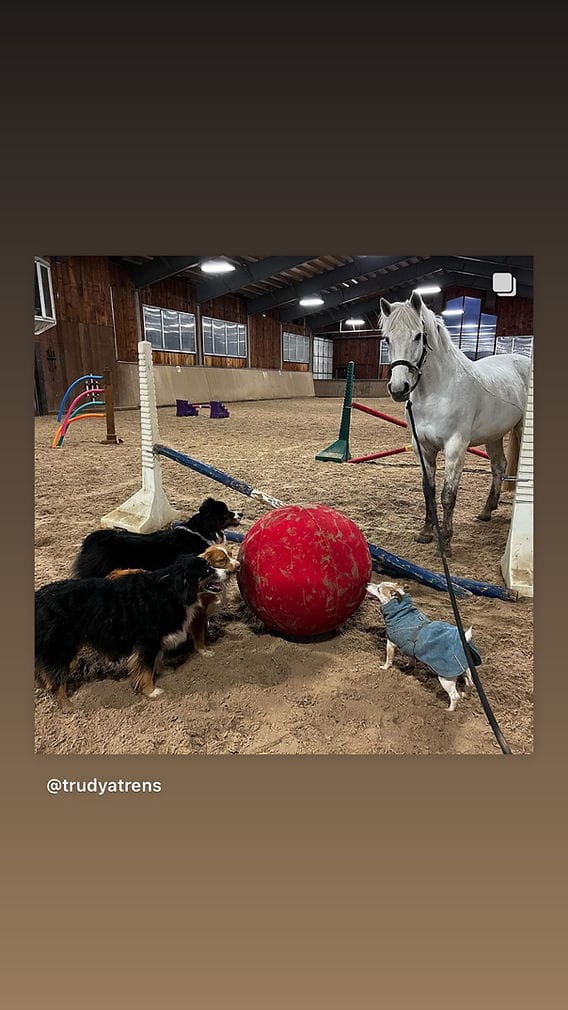
- Playing with Balls: Some horses can learn to push or even “kick” a large ball. This usually involves teaching them to target and then encouraging them to push the target object.
The Art of Training Horses: Ensuring Safety and Ethics
Throughout the process of teaching horse training tricks, safety and ethical considerations must remain paramount.
- Know Your Horse: Understand your horse’s temperament, physical limitations, and past experiences. Not all horses are suited for all tricks. Pushing a horse beyond its physical or mental comfort level is counterproductive and unethical.
- Safety First: Always train in a safe, enclosed environment. Ensure the horse is properly warmed up before training and cooled down afterward. Be aware of your surroundings and any potential hazards.
- Listen to Your Horse: Pay close attention to your horse’s body language. Signs of stress, fear, or pain should be immediate indicators to stop the session or reassess your training approach. A horse that is happy and willing will perform best. The practice of the art of training horses emphasizes this partnership.
- Keep it Fun: Remember that trick training should be an enjoyable bonding experience for both you and your horse. If it starts feeling like a chore or a battle of wills, take a step back and reassess.
Expert Insight: Dr. Eleanor Vance, Equine Behaviorist
“The magic of trick training lies not just in the impressive end result, but in the journey of mutual understanding it fosters. When a trainer prioritizes the horse’s well-being and uses positive, reward-based methods, they build a relationship of trust that transcends the arena. Each trick mastered is a testament to clear communication and a shared effort, strengthening the human-animal bond in ways that traditional training alone might not achieve.”
Conclusion: A Rewarding Partnership
Teaching your horse tricks is a fantastic way to enhance your relationship, improve their trainability, and have a lot of fun. It requires patience, consistency, and a deep understanding of your horse. By focusing on a solid foundation, using positive reinforcement, and always prioritizing safety and enjoyment, you can unlock a world of impressive and engaging horse training tricks. The journey of learning together is, after all, the most rewarding part of horse ownership. So, grab a handful of treats, a positive attitude, and start exploring the amazing capabilities of your equine partner!
