
Dancing horses, particularly the renowned Paso Fino of Colombia, represent a unique and captivating facet of equestrian culture. While opinions on their performance may vary, understanding this tradition offers a profound glimpse into the local heritage and the deep connection between humans and horses in the region. This post delves into the impressive stables, the intricacies of training, and the cultural significance of these extraordinary animals.
Impressive Paso Fino Stables
The experience of encountering Colombian “dancing horses” often begins with their stables. The finca visited on a trail ride near Steel Horse offered a stunning first impression. Beyond the broodmare stables and verdant fields, the approach to the riding arena itself was a spectacle, hinting at the refined world within. The facilities were impeccable, setting the stage for an experience that exceeded expectations.
The Art of Dancing Horse Competitions
Colombian dancing horse competitions are held in arenas that differ from traditional setups. A key feature is a “path” of wooden planks in the center, around which the horses perform. Additionally, poles and barrels are incorporated, forming a typical competition course. A professional trainer demonstrated a routine that highlighted the horses’ unique abilities, showcasing their “dancing” movements around the poles, their ability to move backward with precision, and their signature performance on the wooden pathway.
Rigorous Training of Dancing Horses
The training for these specialized horses begins at a remarkably young age, around 25 months. Initially, training is bitless, relying on a headcollar that applies gentle pressure to the horse’s nose. This method was observed firsthand when a young horse, still under schooling, entered the arena. Training sessions typically last about 30 minutes a day, five days a week. A horse’s genetic predisposition, combined with this specialized training, allows them to lift their feet with incredible speed and dexterity. Introduction to the bit occurs around 40 months of age, and by four years, the horses are generally considered fully trained. There are four distinct gaits—Paso Fino Colombiano, Trocha, Trocha y Galope, and Trote—each with unique characteristics and training regimens.
Cultural Perspectives in Equine Practices
Cultural differences in horse training can lead to differing views on what constitutes humane treatment. While some might perceive the rapid footlifting of dancing horses as unnatural, it’s important to recognize that other disciplines also involve highly specialized movements not found in a horse’s natural state. The trainer’s reaction upon learning that horses in Europe are typically started with a bit underscored this perspective. It’s a reminder that supporting establishments where animals are well-cared for and healthy is paramount, regardless of cultural practices.
A notable observation at the finca was the social dynamic among the stallions. Unlike the strict separation often required in European stables, these stallions moved together, even alongside mares, with minimal overt interest. This harmonious coexistence among multiple stallions is a fascinating aspect of South American horsemanship.
 Paso Fino in Colombia
Experiencing a Paso Fino Ride
An unforgettable moment was the opportunity to ride one of the Paso Fino horses. Initially hesitant, the offer was accepted, with a slight apprehension about handling a young stallion. However, under the guidance of the trainer, who placed the rider on a lunge line and provided simple instructions—keeping hands high and avoiding leg aids—the experience was surprisingly manageable. A gentle vocal cue was enough to initiate the “dance.” While mastering the finer points of turning around poles took practice, the overall sensation was remarkable, demonstrating the horse’s responsiveness with minimal direct pressure.
Luxurious Accommodations for Elite Equines
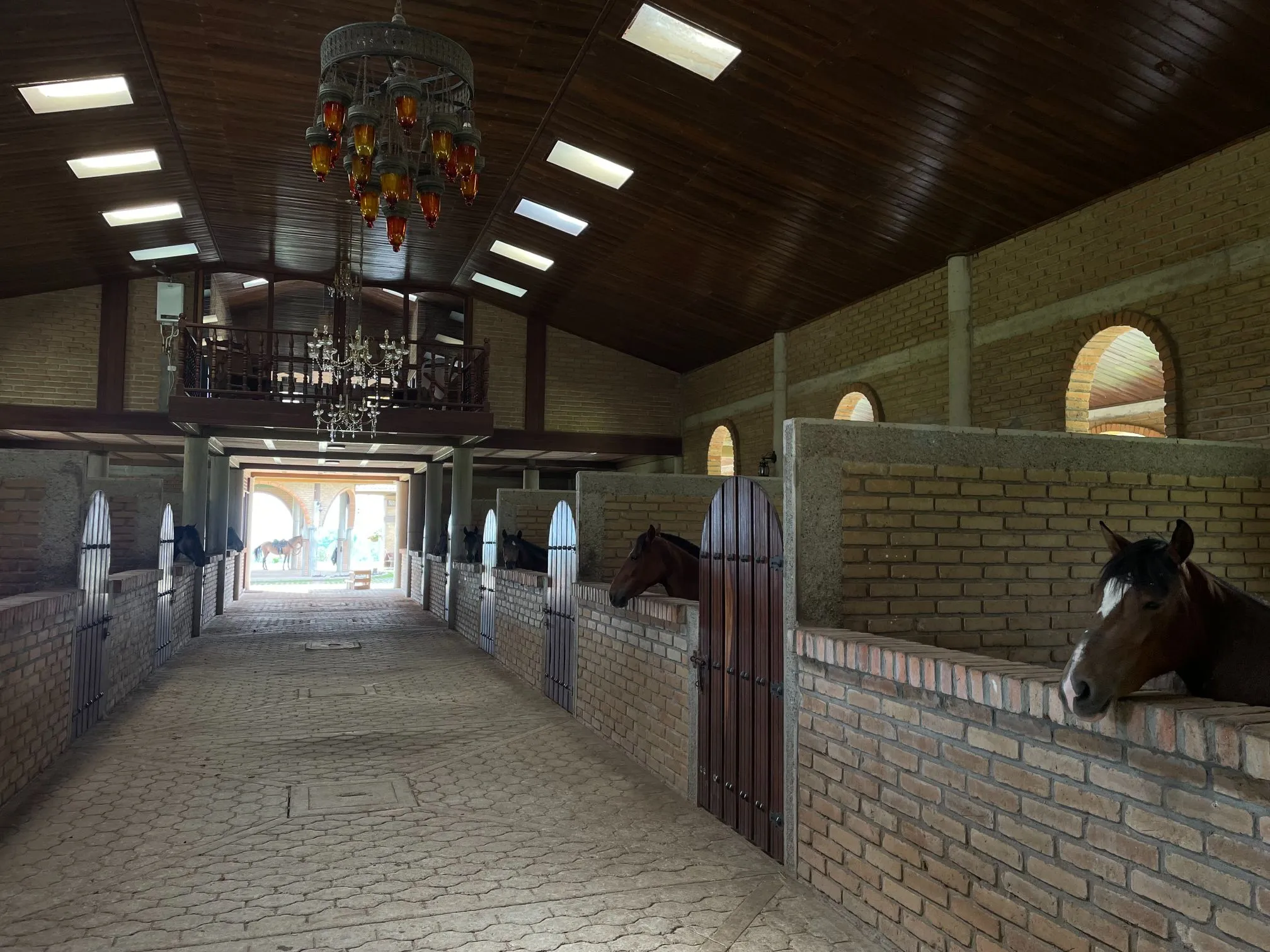
The stables themselves were a testament to the high regard these horses are held in. Larger than average, they featured chandeliers and were maintained with a level of cleanliness that rivaled a human dwelling. This finca housed approximately 200 horses, with the trainer dedicating significant time to exercising about 18 horses daily. The trainer’s enthusiasm and willingness to share information, asking “Qué mas quieres saber?” (What more would you like to know?), fostered an open exchange about equestrian practices, including European methods like dressage, bits, and spurs.
Paso Fino in Colombia
A Cultural Insight
As the visit concluded, the rhythmic sound of hooves on wood lingered. While acknowledging that not all examples found online or elsewhere may reflect the same level of care and training, the experience at this finca was profoundly positive. Witnessing the horses move gracefully around the arena was indeed fascinating. This experience provided valuable insight into Colombian culture and the deep-rooted equestrian traditions of the region.
For those interested in witnessing the dance of these horses, their Instagram account offers a glimpse. To experience riding a Paso Fino horse firsthand, consider joining an upcoming horse riding holiday in Colombia.
