
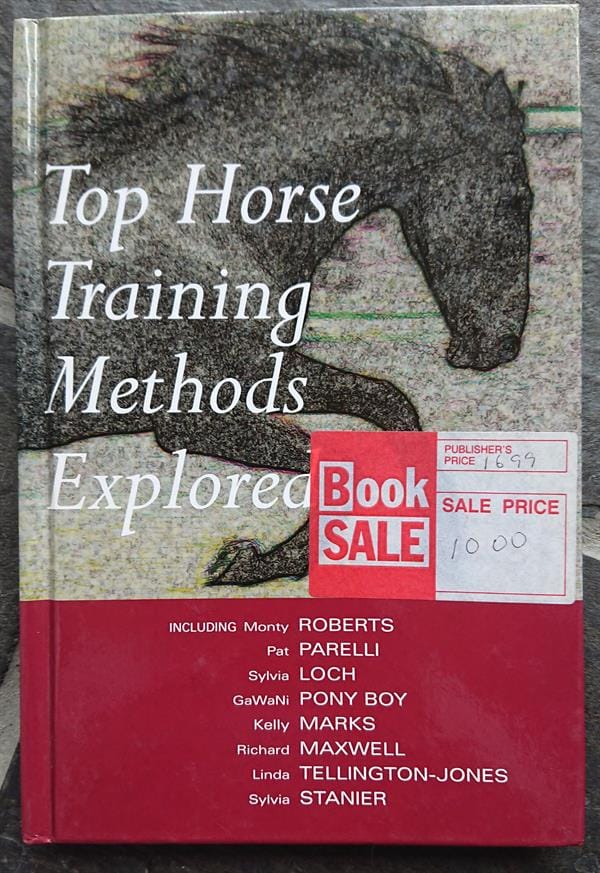
Embarking on the journey of horse training can be incredibly rewarding, but it also requires patience, understanding, and the right techniques. Whether you’re a seasoned equestrian looking to refine your skills or a complete novice stepping into the world of horse ownership, mastering fundamental training methods is key to building a strong, trusting partnership with your equine companion. This guide will walk you through essential Horse Training Techniques For Beginners, ensuring a positive and effective experience for both you and your horse.
The foundation of any successful training program lies in understanding the horse’s perspective. Horses are prey animals, and their instincts heavily influence their behavior and learning processes. Effective training doesn’t force compliance; instead, it uses clear communication, consistency, and positive reinforcement to encourage willing cooperation. Building trust is paramount, and every interaction should reinforce the idea that you are a fair, predictable, and kind leader.
Understanding Horse Behavior and Learning
Before diving into specific techniques, it’s crucial to grasp how horses learn and perceive the world. Horses primarily learn through association, much like classical and operant conditioning.
- Classical Conditioning: This involves associating a neutral stimulus with a response. For example, a horse might associate the sound of a treat bag with receiving a treat, leading to a positive emotional response.
- Operant Conditioning: This is about learning through consequences. Behaviors followed by pleasant outcomes (positive reinforcement) are more likely to be repeated, while those followed by unpleasant outcomes (punishment) are less likely to be repeated. For beginners, focusing heavily on positive reinforcement is the most effective and ethical approach.
Horses also communicate through body language. Understanding cues like ear position, tail swishing, and overall posture will help you gauge your horse’s emotional state and adjust your training accordingly. For instance, pinned ears often signal displeasure or aggression, while a relaxed tail might indicate a calm state. Paying attention to these subtle signals is vital for preventing fear or anxiety during training.
Essential Groundwork Techniques
Groundwork is the cornerstone of horse training, establishing control, communication, and respect before you even mount the horse. These exercises help build a solid foundation for all future ridden work.
Halter Breaking and Leading
This is often the very first training a horse experiences. It involves teaching the horse to accept a halter and lead rope, and to follow your lead willingly.
- Introducing the Halter: Gently introduce the halter, letting the horse sniff it. Avoid forcing it on. Once the horse is comfortable, slide it over their nose and ears, buckling it securely but not too tightly. Reward calm acceptance with praise and a treat.
- Leading: Attach a lead rope. Apply gentle pressure by slightly pulling back on the rope. As soon as the horse takes a step forward, release the pressure. The release is the reward. Consistency is key here; always release pressure the moment the horse responds correctly. Avoid yanking or jerking the rope.
Desensitization
Horses can be sensitive to new objects, sounds, or sensations. Desensitization teaches them to remain calm in the face of stimuli that might otherwise spook them.
- Process: Start with a non-threatening object (e.g., a plastic bag on a stick). Gently introduce it at a distance where the horse notices but isn’t afraid. Gradually move it closer, associating it with calm. Reward the horse for staying relaxed. If the horse shows fear, back off to a less threatening distance and try again.
- Common Items: This can include tarps, whips, spray bottles, bicycles, and even traffic. The key is slow, progressive exposure and positive reinforcement.
Round Pen Work
The round pen is a valuable tool for establishing leadership and communication. Its enclosed space allows you to work on basic commands and observe your horse’s reactions in a controlled environment.
- Establishing Dominance: Enter the round pen with your horse. Use body language (e.g., pointing, leaning) and a lunge whip (held low and pointed) to ask the horse to move away from you. The goal is to get the horse to trot or canter around you.
- Eliciting a Response: As the horse moves away, focus on their energy and direction. When the horse yields to your pressure and begins to move, you’ve established dominance. To ask them to stop, turn your body to face them, relax your body language, and make eye contact. When they stop and look at you, release all pressure.
- The Drive-By: A crucial part of round pen work is the “drive-by.” Ask the horse to trot and as they pass you, turn your back. If they continue trotting away, they are following your lead. If they stop or turn back towards you, you need to re-establish dominance by asking them to move away again. The ultimate goal is for the horse to follow you willingly, even when your back is turned.
This foundational work is critical for developing a horse that respects your space and responds to your cues, much like understanding dale clearwater horse trainer‘s methods for building rapport.
Basic Riding Techniques
Once your horse is responsive and trusting from groundwork, you can transition to ridden work. Start with the absolute basics to ensure a smooth progression.
Mounting and Dismounting
Teaching a horse to stand patiently for mounting and dismounting is essential for safety and confidence.
- Approach and Mount: Approach your horse calmly. Have your foot in the stirrup. Apply gentle pressure with your legs to ask the horse to stand still. If the horse moves, dismount and repeat the groundwork exercise to reinforce standing still. Once mounted, avoid sudden movements.
- Dismounting: Always ask your horse to stand still before dismounting. Remove your feet from the stirrups, and swing your leg over the horse’s back smoothly. Land softly.
Basic Aids: The Language of Riding
Riding involves using subtle cues, or aids, to communicate your intentions to the horse. The primary aids are:
- Seat: Your weight and how you position your body. A balanced, neutral seat is crucial. Shifting your weight slightly can encourage the horse to turn.
- Legs: Used for forward motion and to define the horse’s direction. A gentle squeeze of the legs means “go forward” or “move over.”
- Reins: Used for steering and to help balance. They are not for pulling or jerking. Gentle, consistent pressure is key. Imagine you are holding a bird; you want to hold it securely but not crush it.
Walking and Stopping
These are the first gaits you’ll teach under saddle.
- Walking: Ask your horse to walk forward using a gentle squeeze of your legs. Maintain a balanced seat and keep a light contact on the reins.
- Stopping: To stop, gradually close your legs slightly and apply gentle, steady pressure with the reins. As the horse slows and stops, immediately release the rein pressure and relax your legs. The release of pressure is the reward.
Introducing New Concepts and Skills
As you and your horse progress, you’ll introduce new gaits and skills. Always break down complex maneuvers into smaller, manageable steps.
Posting the Trot
Posting is the rising and falling motion used to ride a trot comfortably.
- The Rhythm: The trot has a two-beat rhythm. As the horse’s diagonal pair of legs moves forward (e.g., left hind and right fore), you rise slightly out of the saddle. As the other diagonal pair moves forward, you sit back down.
- Practice: It takes practice to find the rhythm. Many beginners find it helpful to count “up, down, up, down” with the horse’s steps. Focus on a relaxed, elastic movement.
Steering
Steering involves using your seat, legs, and reins in combination.
- Turn Your Body: To turn, first look in the direction you want to go. Turn your upper body slightly in that direction.
- Apply Leg and Rein Aids: As you turn your body, use your inside leg (the leg on the side you are turning) to encourage the horse to bend its body through the turn. Use the outside rein to guide and control the speed. The inside rein can be used for subtle guidance.
The Importance of Consistency and Patience
Two of the most critical elements in any horse training endeavor are consistency and patience. Horses thrive on routine and predictability.
- Consistency: Ensure all handlers use the same commands and techniques. Inconsistent signals will confuse the horse and hinder progress. If you’re working with a trainer, communicate with them about the methods being used. This is where understanding resources like horses in training book can provide a structured approach.
- Patience: Every horse learns at its own pace. Some may grasp concepts quickly, while others may need more time and repetition. Frustration on the part of the trainer often translates into anxiety for the horse. Celebrate small victories and understand that setbacks are a normal part of the learning process.
Safety First: Always Prioritize
Working with horses, especially when training, carries inherent risks. Always prioritize safety for yourself and your horse.
- Wear Appropriate Gear: Always wear a riding helmet, sturdy boots with a heel, and comfortable clothing that doesn’t restrict movement.
- Know Your Horse: Understand your horse’s individual temperament, quirks, and training level. Never push a horse beyond its capabilities or comfort zone.
- Environment: Ensure your training environment is safe and free from distractions that could spook the horse. Fences should be secure, and the ground should be level and free of hazards.
- Seek Professional Guidance: Don’t hesitate to work with an experienced trainer. Their expertise can guide you through challenging situations and help prevent bad habits from forming, similar to how one might seek advice from a professional like kevin smith horse trainer.
Conclusion: Building a Lasting Partnership
Horse training is a continuous journey, not a destination. The techniques outlined here provide a solid foundation for beginners to build a trusting and communicative relationship with their horses. Remember that every interaction is a training opportunity. By applying consistent, patient, and positive methods, you will not only teach your horse new skills but also foster a deep bond built on mutual respect and understanding. Embrace the process, enjoy the journey, and you’ll find that the rewards of a well-trained horse are immeasurable.
