
The Horse Training Surcingle is a fundamental piece of equipment for anyone serious about developing a well-behaved and responsive equine partner. Far more than just a strap, it’s a versatile tool that aids in establishing communication, building trust, and refining a horse’s way of going from the ground and sometimes, with advanced riders, from the saddle. Whether you’re a seasoned professional or just starting your journey in horse training, understanding the nuances of using a surcingle can significantly enhance your effectiveness and your horse’s understanding. This guide delves into the purpose, types, and proper application of the horse training surcingle, ensuring you can utilize this valuable resource to its fullest potential.
What is a Horse Training Surcingle?
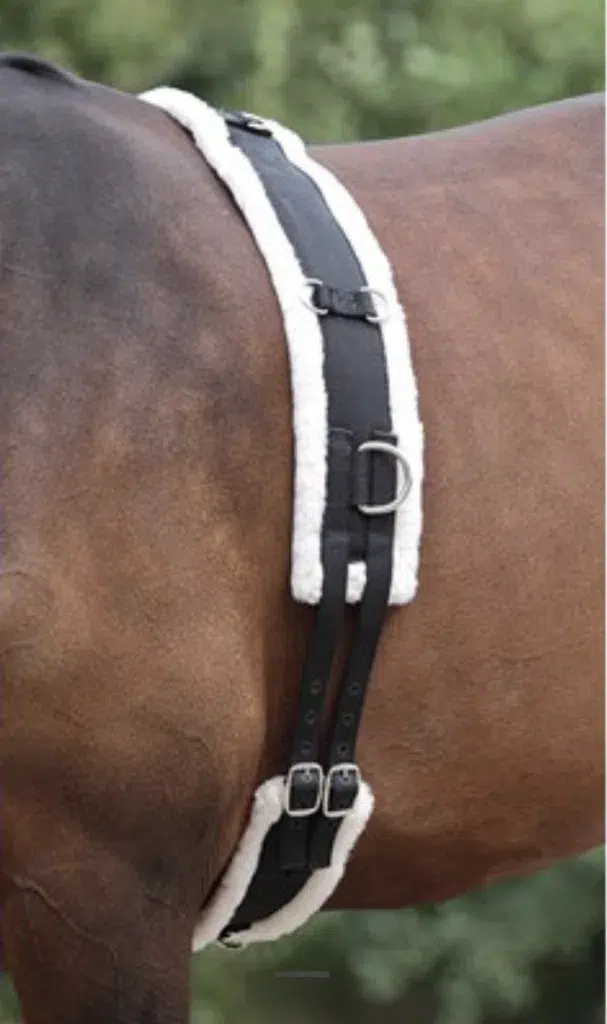
At its core, a horse training surcingle is a wide strap, typically made of leather or durable webbing, that fastens around a horse’s girth or barrel, just behind the saddle area. Its primary function is to provide attachment points for training aids and to offer the handler a secure grip for control and guidance. It acts as a central hub for communication, allowing for the application of pressure and release that horses understand instinctively. Think of it as an extension of your communication system with your horse, enabling clearer cues and more consistent training.
Why Use a Surcingle in Horse Training?
The benefits of incorporating a surcingle into your training regimen are numerous and impact various aspects of a horse’s development:
Groundwork Foundation
The surcingle is invaluable for groundwork, serving as a crucial link between handler and horse. It allows for:
- Establishing Leadership: By controlling the horse’s movement and balance, the surcingle helps reinforce the handler’s position as the leader.
- Developing Responsiveness: Attaching lines or reins to the surcingle facilitates exercises that teach the horse to yield to pressure and move in specific directions, building responsiveness to cues.
- Simulating Saddle Pressure: For young or unstarted horses, the surcingle can be used to introduce the sensation of a girth and the weight of a rider, preparing them for saddle work.
Introducing the Saddle and Rider
- Girth Introduction: The surcingle can be fitted with a training girth, allowing the horse to acclimate to the feeling of being “girthed up” without the immediate complexity of a saddle.
- Weight Simulation: Experienced trainers may use a surcingle with a surcingle saddle or even a rider to gradually introduce weight and balance exercises. This controlled introduction is vital for preventing spooking or resistance later on.
Lunging and Long-Lining
The surcingle is indispensable for effective lunging and long-lining.
- Attachment Points: It offers secure and strategically placed D-rings or loops for attaching lung lines, over-check side reins, or chambon systems. This allows for precise control over the horse’s head carriage and frame.
- Driving Aid: When long-lining, the surcingle provides a stable anchor point for the lines, enabling the driver to guide the horse’s impulsion and direction. This is a critical step in preparing a horse for driving or even for developing a better under-saddle connection. This can be particularly useful for those learning how to train a gaited horse, as it helps establish a correct headset and rhythm from the ground.
Rider Balance and Development
While primarily a groundwork tool, the surcingle can also benefit riders, especially those seeking to improve their own balance and position.
- Secure Grip: Experienced riders sometimes use a surcingle, particularly in challenging conditions or when working with difficult horses. It provides a safety grip, allowing the rider to maintain their seat and focus on the horse’s response rather than their own stability. This is where a good training harness for horses can be considered, although a surcingle offers a different type of support.
- Focus on Aids: By offering a secure point of contact, a surcingle can help riders concentrate on applying subtle leg and seat aids, knowing their hand position is stable.
Types of Horse Training Surcingles
Surcingles come in various designs, each suited for specific training goals:
Padded Web Surcingle
These are often the most comfortable for the horse, featuring a wide, padded webbing designed to distribute pressure evenly. They typically have multiple D-rings along the sides and sometimes a loop at the top for attaching specialized training equipment. This is a versatile option for general groundwork and lunging.
Leather Surcingle
Crafted from high-quality leather, these surcingles are durable and classic in appearance. They often feature sturdy metal hardware and can be more rigid than webbing options. Leather surcingles are excellent for demanding training scenarios where strength and reliability are paramount.
Surcingle with Integrated Saddle/Seat
Some specialized surcingles come with a built-in padded seat or even a small saddle structure. These are used for more advanced stages of training, particularly for introducing riders or weight to young horses. They offer a more substantial platform for the rider than a simple strap.
Surcingle with Extended Attachments
Certain designs incorporate extra loops or a roller-like mechanism, specifically for use with side reins or other tension-adjusting training aids. These are often seen in disciplines like dressage or when focusing on developing a specific head and neck carriage.
How to Use a Horse Training Surcingle Effectively and Safely
Proper use is key to unlocking the surcingle’s potential while ensuring the safety and well-being of both horse and handler.
Fitting the Surcingle
- Placement: Position the surcingle around the horse’s barrel, just behind the last rib and where the saddle would typically sit. It should not be placed too far forward, as this can interfere with the horse’s shoulder movement.
- Tightness: Fasten the surcingle securely, but not so tight that it restricts breathing or causes discomfort. You should be able to comfortably slide a hand between the surcingle and the horse’s body. Ensure the buckle is snug and the excess strap is neatly secured.
- Check Hardware: Ensure all D-rings, buckles, and clips are in good working order and securely fastened.
Groundwork Techniques
- Leading and Halting: Use the surcingle’s rings to attach a lead rope for more control during leading exercises. Practice halt and go cues, focusing on clear pressure and release.
- Yielding to Pressure: Attach lines to the side rings and practice asking the horse to yield their hindquarters or forequarters by applying gentle, steady pressure.
- Introducing Weight: For young horses, gently swing a saddle or a padded object over the surcingle to acclimate them to weight. Progress to placing the surcingle itself with a saddle pad underneath, mimicking the feel of a saddle.
Lunging and Long-Lining
- Lunging: Attach your lunge line to the central D-ring or a specialized attachment point. Use the line to guide the horse in a circle, encouraging them to move forward with energy and maintain a consistent pace.
- Side Reins: When using side reins, attach them to the surcingle’s side D-rings and to the bit. Adjust them to encourage a correct headset, but always ensure they allow the horse to stretch and relax their jaw. This is where proper equipment, like a well-adjusted lunging horse training setup, becomes crucial.
- Long-Lining: Connect your long lines to the side D-rings. Practice walking behind the horse, guiding them with rein aids, and asking them to move forward, turn, and stop, simulating the cues they will receive under saddle.
Safety Considerations
- Never Tie a Horse: Never tie a horse by the surcingle itself. Always use a lead rope attached to a halter.
- Secure All Fittings: Double-check all straps and buckles before each session.
- Awareness: Be aware of your horse’s body language and react to signs of stress or discomfort immediately.
- Appropriate Use: Understand the purpose of each training aid attached to the surcingle and use them ethically and judiciously.
Common Training Scenarios and Surcingle Application
The horse training surcingle is a versatile tool applicable across many training scenarios:
Starting Young Horses
For horses just beginning their training, the surcingle is instrumental in teaching them to accept contact, yield to pressure, and understand basic cues from the ground. It helps build confidence and a positive association with handling and equipment.
Rehabbing Horses
In some rehabilitation cases, a surcingle might be used to allow for controlled exercise or to introduce specific movements without the full weight of a rider. This requires close consultation with a veterinarian and equine therapist.
Addressing Behavioral Issues
For horses with certain behavioral challenges, such as resistance to the bit or girthiness, the surcingle can be part of a desensitization and retraining program. Controlled exercises using the surcingle can help rebuild trust and improve the horse’s acceptance of handling.
Developing Advanced Collection and Frame
In disciplines like dressage, advanced riders and trainers may use a surcingle with specific side rein configurations to help horses develop a more engaged hind end, supple topline, and correct frame, even during groundwork sessions. This requires a deep understanding of equine biomechanics and a commitment to ethical training, similar to using specialized horse training supplies effectively.
Conclusion: Enhancing Your Training Partnership
The horse training surcingle is more than just equipment; it’s a conduit for clear communication and a vital tool in fostering a strong partnership between horse and handler. By understanding its purpose, types, and proper application, you can leverage its benefits to build a more responsive, confident, and well-behaved equine partner. Remember that consistency, patience, and ethical handling are paramount, and the surcingle, when used correctly, will serve as an invaluable ally in your training journey. Whether you’re aiming for perfection in the show ring or simply seeking a harmonious relationship with your horse, mastering the use of the surcingle is a significant step towards achieving your goals.
