
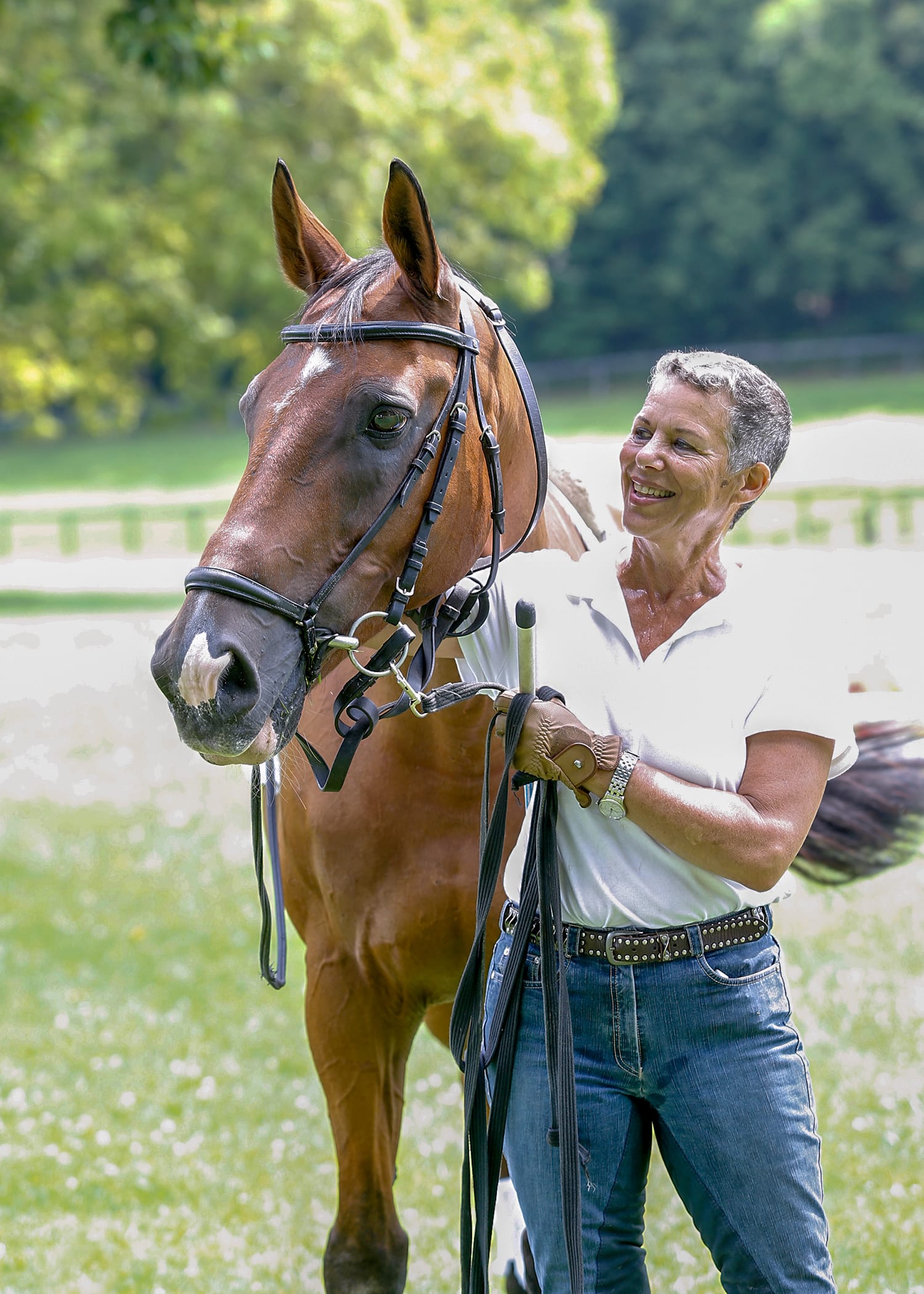
The Horse Training Stick, often referred to as a dressage whip or training wand, is an indispensable tool in the equine world. Far from being a mere extension of the rider’s arm, it serves as a precise instrument for communication, allowing for clearer and more nuanced cues to your horse. Mastering its use can significantly enhance your training effectiveness, foster a deeper understanding with your equine partner, and ultimately contribute to a more harmonious relationship built on trust and respect. This guide will delve into the world of horse training sticks, exploring their purpose, different types, how to use them effectively and ethically, and how they can benefit both you and your horse.
Understanding the Purpose of a Horse Training Stick
At its core, a horse training stick is a communication aid. It amplifies the rider’s natural aids – such as leg pressure, seat position, and hand contact – providing a more distinct signal to the horse. The subtle flick or tap of the stick, when used correctly, can mean the difference between a hesitant response and a clear, willing execution of a command. It’s crucial to understand that the stick is not for punishment, but for clarification. It helps the horse understand what is being asked of them, extending the rider’s reach and making signals more noticeable without needing excessive physical force.
Types of Horse Training Sticks
The market offers a variety of training sticks, each suited for different disciplines and preferences:
Dressage Whips
These are typically longer, often around 30-45 inches, and more flexible. They are primarily used in dressage to refine aids, encourage impulsion, and maintain rhythm. Their length allows for subtle cues from the rider’s seat without requiring a drastic shift in posture.
Training Wands
Shorter and stiffer than dressage whips, training wands are versatile tools used in various disciplines, including groundwork, liberty work, and general training. They offer a more direct application of pressure and are excellent for teaching direction and focus.
Lunging Whips
These are the longest of the training sticks, often exceeding 60 inches, and are used in conjunction with a lunge line. They are instrumental in controlling the horse from a distance during lungeing, encouraging forward movement, and establishing a clear hierarchy.
Stick and String
This setup involves a training stick with a string or popper attached to the end. The string’s movement creates a larger visual cue and a distinct “swish” sound, which can be very effective for encouraging forward motion or discouraging unwanted behaviors from a distance.
Effective and Ethical Use of the Training Stick
The effectiveness of a training stick hinges entirely on how it’s used. Ethical application is paramount to building a positive relationship with your horse.
Groundwork Techniques
During groundwork, the training stick can be invaluable. Held with the tip pointing towards the horse’s flank, it can encourage forward movement. Moving the stick towards the hindquarters can signal a desire for the horse to move away. A gentle tap on the shoulder can encourage a turn. It’s essential to use light, deliberate movements and observe your horse’s reaction closely.
- Encouraging Forward Movement: A slight flick of the stick behind the horse’s girth area, without making contact, can prompt them to move forward. If a light flick isn’t enough, a very gentle tap can be applied.
- Yielding to Pressure: When training a horse to yield to pressure, the stick can be used to apply a light, consistent pressure to areas like the shoulder or hindquarters, encouraging the horse to move away from it. This teaches them to respond to subtle cues.
Riding Application
When riding, the stick becomes an extension of your leg aid.
- Reinforcing Leg Cues: If your leg cue isn’t strong enough, a gentle tap with the training stick on the horse’s flank can reinforce the message, encouraging more engagement from the hindquarters.
- Maintaining Rhythm and Impulsion: In disciplines like dressage, a subtle flick of the whip can help maintain the horse’s energy and rhythm, particularly during transitions or complex movements.
- Directional Cues: A light tap on the shoulder can encourage the horse to turn or yield.
Key Principles for Ethical Use:
- Clarity Over Force: The goal is always clear communication, not coercion. The stick should be used to clarify an aid, not to force compliance.
- Timing is Crucial: Apply the cue just before the horse is expected to perform the action, or simultaneously with another aid. A delayed cue is confusing and ineffective.
- Consistency: Use the stick consistently for specific cues so the horse learns to associate the signal with the desired response.
- Positive Reinforcement: Always praise and reward your horse when they respond correctly, whether with a pat, a word of encouragement, or a brief rest.
- Know When to Stop: If your horse becomes anxious, fearful, or resistant, re-evaluate your approach. You may be asking too much, or the horse may not understand. Take a break, simplify the request, or end the session on a positive note.
- Never Use in Anger: The training stick should never be used out of frustration or anger. This will only damage trust and create fear.
Benefits of Using a Training Stick
Properly implemented, the training stick offers numerous advantages:
- Enhanced Communication: It refines the rider’s ability to communicate subtle cues, leading to a more responsive and obedient horse.
- Improved Impulsion and Engagement: It can effectively encourage the horse to use its body more effectively, leading to better engagement from the hindquarters.
- Development of Collection: For advanced training, it aids in developing collection by encouraging the horse to shorten its frame and lift its forehand.
- Safety: It provides a way to cue the horse from a slight distance, which can be safer in certain situations, especially during groundwork or when teaching a horse to move away from the rider.
- Building Partnership: When used ethically, it contributes to a stronger bond, as the horse learns to trust and understand the rider’s aids. This process is similar to how rdr2 how to train horse requires clear communication.
Addressing Common Concerns and Misconceptions
A common misconception is that training sticks are inherently cruel. This couldn’t be further from the truth when used correctly. The stick is a tool, and like any tool, its impact depends on the user. Horses are sensitive animals that respond best to clear, consistent, and fair communication. Ethical trainers view the training stick as a way to enhance this communication, not to inflict pain or punishment.
For those interested in r+ horse training, understanding these nuanced communication tools is key. The effectiveness of any horse training gear lies in the handler’s knowledge and application. Techniques like arabian horse halter training often rely heavily on clear, consistent pressure and release, principles that the training stick can help facilitate.
Conclusion: Mastering the Art of the Aid
The horse training stick is a sophisticated tool that, when wielded with knowledge, sensitivity, and ethical consideration, can significantly elevate your training endeavors. It’s not about the stick itself, but about the clear, consistent, and kind communication it facilitates. By understanding its purpose, choosing the right type for your needs, and adhering to principles of positive reinforcement and timing, you can transform the training stick into a powerful ally in building a responsive, willing, and trusting partnership with your equine companion. Remember that patience and consistent practice are key, much like when training horses to do tricks, where understanding the horse’s learning process is paramount.
