
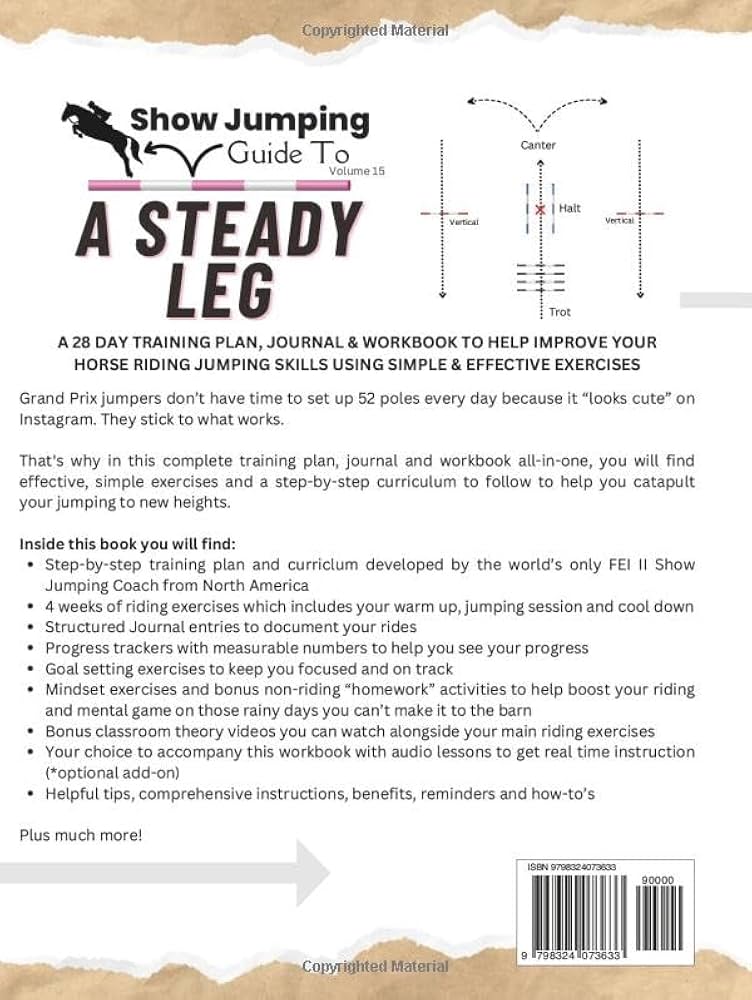
Embarking on the journey of horse training can be incredibly rewarding, but it also presents unique challenges. Whether you’re a seasoned rider or new to the equestrian world, refining your training approach is key to building a stronger bond with your horse and achieving better results. This guide distills essential wisdom into nine actionable tips designed to make your training sessions more effective and enjoyable for both you and your equine partner. By focusing on confidence, patience, clear goals, and a positive mindset, you can significantly improve your training outcomes.
Tip 1: Prioritize Building Confidence
Before diving into specific training exercises, establishing a foundation of trust is paramount. Your horse needs to feel secure and confident in your leadership. Dedicate time to activities that strengthen your bond outside of formal training, such as Liberty Connection Work, grooming, or simply taking a relaxed walk together. When your horse trusts you implicitly and your connection is solid, the training itself becomes a much smoother and more receptive process.
Tip 2: Embrace Patience – Slow is Faster
It might sound counterintuitive, but rushing the training process often leads to more mistakes and setbacks. When you try to move too quickly, you risk overlooking crucial steps or overwhelming your horse. Training without time pressure allows your horse to learn each exercise step-by-step, reinforcing the learning more effectively. This patient approach ultimately leads to faster progress because you minimize the need to backtrack and correct errors.
Tip 3: Define Your Training Goals Clearly
A common pitfall in horse training is a lack of specific objectives. Vague goals like “riding well” are less effective than clearly defined targets. For instance, if your aim is to embark on day trips with your horse, establish a comprehensive training schedule that includes:
- Trailer loading and travel acclimatization.
- Familiarization with traffic and road conditions.
- Building your horse’s physical conditioning.
- Basic dressage training for safe and comfortable riding.
Knowing your goals in advance ensures you are adequately prepared and don’t encounter unexpected challenges, such as your horse refusing to load onto the trailer.
Tip 4: Thorough Preparation is Key
Impulsive training sessions, often sparked by seeing a demonstration or a sudden idea, frequently lead to frustration. Without a well-thought-out plan, your horse may not understand the exercise, leading to nervousness and a breakdown in communication. Like navigating a journey, you need a map and a plan. Before teaching your horse anything new, map out your approach: what resources do you need, what is the most effective method, and how will you prepare your horse for the new skill?
Tip 5: Set Your Ego Aside
Ego can be a significant detriment to successful horse training. When your actions are driven by a desire to impress others or by pride, your horse will sense the inauthenticity. This “fake” contact, driven by ego, is easily detected by horses and often leads to training failures. Learn to recognize when your ego is influencing your actions and consciously choose a path of genuine connection. By doing so, you foster a more authentic and productive training environment.
Tip 6: Ensure Both You and Your Horse Have Fun
Training should be an enjoyable experience for both horse and handler. Sometimes, training is undertaken simply because “it’s supposed to be done” a certain way, rather than out of genuine desire. If you or your horse are not enjoying the activity—whether it’s show jumping or trail riding—it’s unlikely to be productive. For example, a horse designated as a “show jumper” might be happier with trail rides. Prioritize activities that bring you and your horse joy, and your positive attitude will be palpable to your horse, enhancing the training experience.
Tip 7: Maintain Your Own Physical Fitness
Your physical condition directly impacts your ability to train your horse effectively. If you are easily fatigued or stiff, your training sessions will be less productive. Being in good shape not only makes you feel better and more positive but also improves your reflexes, which are crucial for safely handling horses. Even a modest fitness routine, like short jogs a few times a week combined with daily flexibility exercises, can make a significant difference. A fitter you means a better-trained horse.
Tip 8: Actively Listen to Your Horse
The most accomplished trainers are those who are attuned to their horse’s communication. Horses communicate constantly through subtle cues—a roll of the eyes, a flick of the tail, a shift in weight, or ear position. Pay close attention to these signals to understand if you are applying too much pressure, moving too quickly, or if your horse is confused or uncomfortable. Equally, observe what your horse enjoys and what indicates they are understanding your cues. Training is fundamentally a form of communication, and open observation is vital.
Tip 9: Celebrate Every Small Success
Expecting immediate, dramatic results can lead to frustration for both you and your horse. Remember that horses are capable of giving only what they can. Work step-by-step, and acknowledge and appreciate every bit of progress, no matter how small. This gratitude signifies that your horse has understood your request and learned something new. Importantly, share your happiness with your horse through positive reinforcement, such as a treat or a kind word, to further strengthen your bond and their willingness to learn.
