
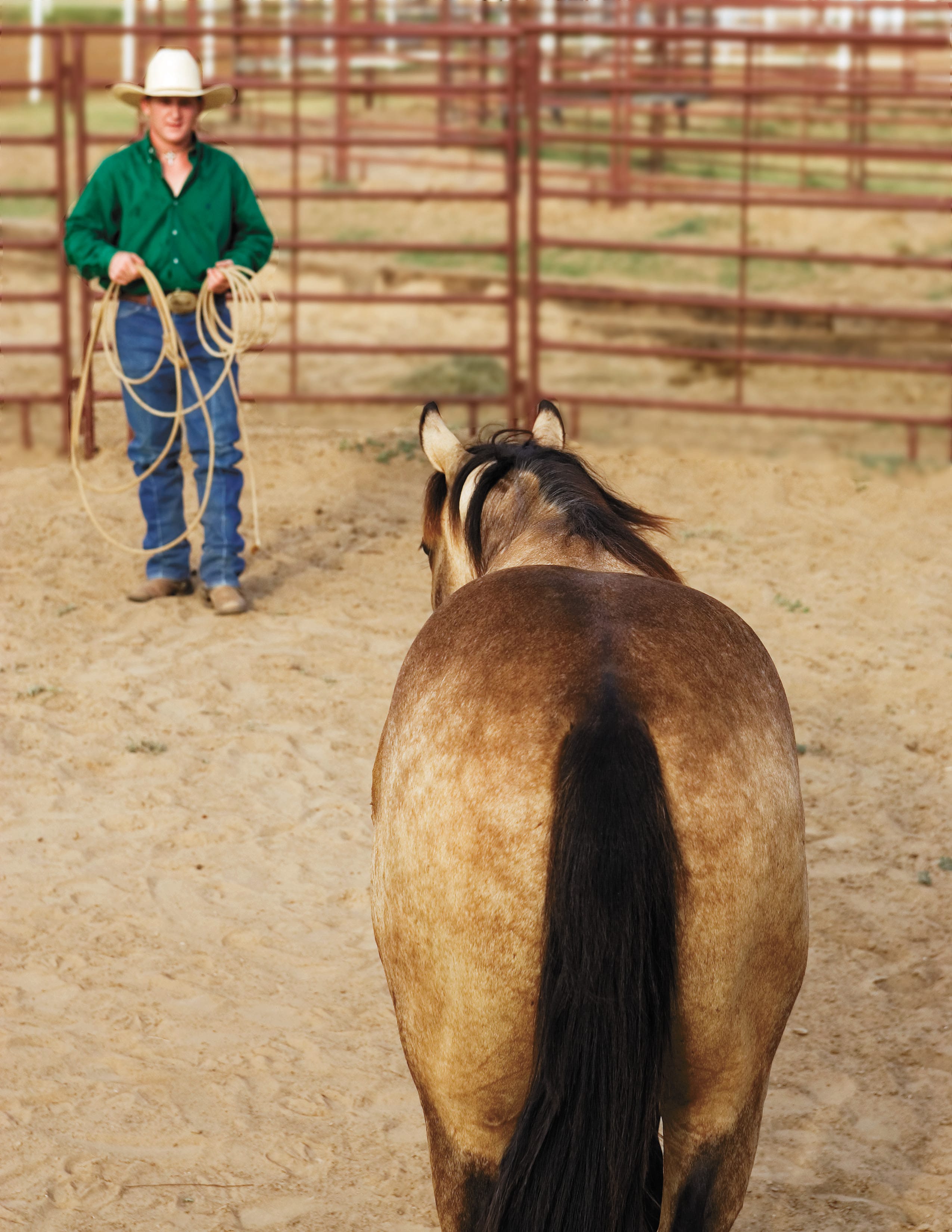
A round pen is a crucial piece of equipment for effective horse training, designed as a circular enclosure without any sharp edges. This safe, enclosed environment allows both horses and trainers to engage in various training activities with enhanced focus and security. Understanding the purpose and selection criteria for a round pen is essential for any horse owner or trainer.
The primary function of a round pen is to create a controlled space for observing and understanding equine behavior. In this confined area, trainers can meticulously study a horse’s movements, gait, and overall demeanor, fostering a deeper comprehension of the animal’s habits and facilitating the development of trust. This intimate observation is fundamental to building a strong, cooperative relationship between horse and human.
Beyond observation, round pens are instrumental in improving a horse’s obedience and confidence. Through exercises like free lunging or methodical round penning, horses learn to develop crucial skills such as balance and self-assurance, leading to a more responsive and well-behaved animal. These exercises are particularly beneficial for young horses still learning the ropes and for reinforcing good habits in more experienced equines.
Furthermore, round pens serve as ideal settings for foundational training and basic riding practice. They provide a secure environment for introducing young horses to training equipment and basic riding cues, as well as for beginner riders to gain confidence and skill. The consistent, predictable nature of the round pen minimizes distractions, allowing both horse and rider to focus on learning and building essential skills. You can explore horse training facts to further understand the principles behind effective training.
Key Considerations When Choosing a Round Pen
When selecting a round pen, several factors require careful consideration to ensure it meets your specific training needs and available resources.
Round Pen Size Matters
The appropriate size of a round pen is dictated by your available space, budget, and the intended uses. Standard diameters typically range from 30 to 60 feet (9 to 18 meters). For most groundwork and basic riding practice, a diameter of 50 to 60 feet is commonly recommended, with a height of at least 5 to 6 feet ensuring adequate containment. For riding practice that involves trotting or cantering, larger equine round pens, such as 50ft, 60ft, or even 70ft options, are preferable as they allow the horse to move more naturally without constant turning. If you are unsure about the ideal size, sharing your space dimensions with a supplier can help them calculate the necessary dimensions and number of sections required.
Material Options for Durability and Safety
Round pens are available in various materials, each with its own advantages and disadvantages:
Wooden Round Pens: These offer a natural aesthetic that blends well with ranch environments. High-quality wood panels can withstand significant impact, but their surfaces must be meticulously sanded smooth to prevent injuries. Wood also requires anti-rot treatments for durability and regular maintenance, such as applying preservatives or paint, making it a higher-cost option in the long run. Wooden round pens are best suited for permanent setups.
Metal Round Pens: Constructed from durable materials like galvanized or powder-coated steel, metal panels are extremely resistant to horse impacts and offer excellent rust resistance. Their modular design allows for easy assembly, transport, and disassembly, making them ideal for temporary training areas or locations requiring frequent relocation. Maintenance involves periodic checks for rust and applying anti-rust paint or galvanizing spray as needed. Consider exploring liberty horse training exercises that can be effectively practiced in metal round pens.
Plastic Portable Round Pens: These are exceptionally lightweight, making them easy to transport and set up. Materials like PVC are resistant to rust and rot, and often treated to withstand UV exposure. Their smooth surfaces enhance safety by absorbing some of the impact, thus reducing the risk of injury. Plastic round pens are a good choice for temporary training areas, lighter training work, or for budget-conscious buyers. For instance, Hope Horse PVC Round Pen utilizes high-strength, unbreakable PVC material designed to resist deformation or breaking under impact.
Ground Surface Considerations
The ground surface within the round pen is critical for a horse’s safety and comfort. It’s essential to ensure the ground has excellent drainage to prevent water accumulation, which can lead to hoof problems and an unstable footing. Recommended nonslip materials include sand, wood chips, or rubber mats, which provide cushioning and protection for the horse’s hooves.
Additional Options for Enhanced Functionality
To further enhance the utility of your round corral, consider adding a cover. A Round Pen Cover can significantly reduce the impact of adverse weather conditions, such as rain or intense sunlight, on training sessions. These covers can be made from materials like canvas or metal and can often be customized to meet specific needs. You might find resources on how to train a barrel horse that benefit from a protected training environment.
Routine Maintenance for Longevity
Regular maintenance is key to ensuring the longevity and safety of your round pen fence panels.
- Regular Inspections: Periodically check all structural connections, supports, and panels for stability and any signs of wear or damage.
- Cleaning: Routinely remove dirt, horse waste, and debris. For wooden pens, treat for rot; for metal, address any rust; and for plastic, check for signs of aging or cracks.
- Ground Maintenance: Keep the ground surface level, clear of manure, and ensure it remains a safe, slip-free area for training.
Choosing the right round pen is a significant step towards safe and effective horse training. By carefully considering factors such as space, budget, material, and specific training requirements, you can make an informed decision that best supports your goals. Whether you need permanent panels, a temporary enclosure, or a specialized pen, tailored solutions are available to create the ideal training environment.
