
The journey of horsemanship is one of lifelong learning. Whether you’re swinging into the saddle for the first time or you’ve spent decades with horses, the quest for a deeper understanding and a better partnership never ends. In today’s world, we have a vast ocean of information at our fingertips, but navigating it can be overwhelming. This guide is designed to be your compass, pointing you toward the most valuable Horse Training Resources to elevate your skills, from digital platforms to timeless books and hands-on experiences. A commitment to quality education is central to integrity horse training, forming the foundation of a respectful relationship with your equine partner.
The Modern Equestrian: Top Digital Horse Training Resources
The digital age has revolutionized how we learn, and the horse world is no exception. Online resources offer unparalleled access to world-class trainers and specialized knowledge, right from your home or barn.
Comprehensive Online Courses and Programs
Online courses provide structured, progressive learning that you can tackle at your own pace. They are an excellent way to dive deep into specific subjects with guidance from experts. Look for programs with clear curriculums, high-quality video demonstrations, and qualified instructors. Platforms like The Equine Institute offer a range of specialized courses on topics from equine first aid and nutrition to advanced biomechanics and anatomy. These programs empower you to make more informed decisions for your horse’s health and performance.
Influential Websites, Blogs, and YouTube Channels
A wealth of free information is available from top trainers who are passionate about sharing their knowledge. Websites and blogs from experts like Mary Hunter (Stale Cheerios) and Alexandra Kurland (The Clicker Center) offer incredible insights, particularly into positive reinforcement and clicker training. When exploring these resources, look for trainers who demonstrate a consistent, humane, and logical training philosophy. YouTube channels often provide visual demonstrations of exercises and concepts, which can be invaluable for understanding timing and technique. Exploring these paths is one of the key steps to becoming a horse trainer in your own right.
The Power of Community: Podcasts and Online Groups
Learn while you clean stalls or drive to the barn with equestrian podcasts. These audio resources bring conversations with top vets, farriers, trainers, and behaviorists directly to you. Furthermore, online communities, such as specialized Facebook groups, offer a platform for peer support, allowing you to ask questions and share experiences with fellow horse lovers who are on a similar journey.
The Equestrian’s Library: Essential Books and Publications
While digital media is powerful, the timeless value of a well-written book is undeniable. A carefully selected library can serve as a constant source of reference and inspiration throughout your equestrian career.
Foundational Reads for Understanding Equine Behavior
The most effective training begins with understanding the horse’s perspective. Books that delve into equine psychology are essential for building a partnership based on trust and communication. A classic in this category is How to Think Like A Horse by Cherry Hill, which provides invaluable insight into why horses do what they do. This knowledge allows you to work with your horse’s natural instincts, not against them.
As equine behaviorist Dr. Eleanor Vance states, “Before you can train the body, you must first understand the mind. The best resources teach you to listen to what the horse is telling you.”
Practical Guides and Exercise Compendiums
Once you understand the “why,” you need the “how.” Practical guides with clear, step-by-step instructions are critical for daily training. Cherry Hill’s 101 Ground Training Exercises for Every Horse & Handler is a fantastic resource that builds a solid foundation for any discipline. Establishing good habits on the ground directly translates to better behavior under saddle. For a broader knowledge base, comprehensive texts like The Horse Encyclopedia cover everything from breed characteristics to conditioning, making them an indispensable reference. Understanding these elements can even provide insight into the horse trainer job outlook and the breadth of knowledge required.
Hands-On Horsemanship: In-Person Learning
Digital and print resources are powerful tools, but they cannot replace the feedback and nuance of in-person instruction. Real-world experience is where knowledge transforms into skill.
Finding a Mentor or Trainer
A qualified, local trainer is arguably the most important resource you can have. A good instructor can provide real-time feedback, ensure your safety, and tailor exercises to you and your horse’s specific needs. To find the right fit, ask to observe a lesson, check for certifications from reputable organizations, and seek someone whose philosophy aligns with your own.
Clinics, Workshops, and Structured Curriculums
Clinics and workshops offer an opportunity for intensive learning, allowing you to immerse yourself in a specific topic with an expert for a day or a weekend. For those in a regular lesson program, structured curriculums like HorseSense Learning Levels can be a game-changer. These systems provide a clear progression of skills for both mounted and unmounted horsemanship, ensuring a well-rounded and comprehensive education. This type of systematic training is essential whether you have a seasoned show horse or a trained mustang horse for sale.
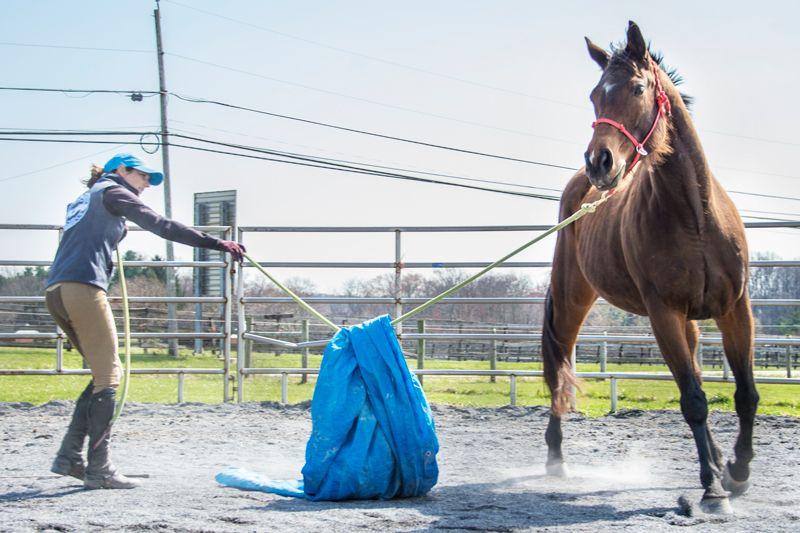 A group of people learning groundwork exercises with their horses during a sunny outdoor horse training clinic.
How to Choose the Right Horse Training Resources for You
With so many options, selecting the best resources can feel daunting. Use these points as a guide to find what’s right for your unique situation:
- Assess Your Current Skill Level: Be honest about whether you’re a beginner needing fundamentals or an advanced rider looking for refinement.
- Define Your Training Goals: Are you aiming for competitive success, safe trail riding, or building a better connection with your horse? Your goals will dictate the resources you need.
- Consider Your Horse’s Needs: Your horse’s age, temperament, and training history are crucial factors. A young, green horse requires a different approach than an older, more experienced one.
- Align with Your Philosophy: Choose resources that promote a training style you believe in, whether it’s natural horsemanship, classical dressage, or positive reinforcement. This consistency is key.
- Read Reviews and Seek Recommendations: Learn from the experiences of others. Ask trusted equestrians what books, courses, or trainers have helped them most. Your journey may even lead you to become a specialist, much like a mage horse trainer in a fantasy world, mastering a specific and highly effective niche.
Frequently Asked Questions (FAQ)
What are the best free horse training resources?
Reputable trainers’ blogs, YouTube channels, and podcasts are excellent free resources. You can also borrow a wide variety of classic horse training books and DVDs from your local library.
How do I know if a horse trainer is reputable?
Look for a humane training philosophy focused on partnership, not dominance. A reputable trainer will have positive testimonials, prioritize safety, and be able to clearly explain their methods. Observe how their horses behave; they should be relaxed and willing partners.
Can I train my horse entirely with online resources?
While online resources are a fantastic supplement for learning theory and exercises, hands-on guidance from a qualified professional is crucial for safety, progress, and receiving feedback tailored to you and your horse.
What is the most important skill to learn in horse training?
Patience and the ability to accurately observe and interpret a horse’s body language are the most fundamental skills. They are the foundation upon which all successful training techniques are built.
How often should I consult new training resources?
Horsemanship is a lifelong journey of learning. Continuously seeking knowledge, whether by reading a new book every year or attending a clinic, is key to growing as an equestrian and deepening the bond with your horse.
Conclusion
Building a better partnership with your horse is a rewarding endeavor fueled by knowledge and dedication. By combining the best of modern digital media, the timeless wisdom found in books, and the invaluable guidance of in-person instruction, you can create a well-rounded educational program. The perfect library of horse training resources is not just on a shelf or a website; it’s a blended approach that empowers you to be the best horseperson you can be. Continue to learn, stay curious, and enjoy every step of the journey with your equine partner.
