
Bringing a new horse into your life is an exciting journey, and understanding how to train them effectively is crucial for a strong bond and a safe partnership. Whether you’re a seasoned rider or new to the equestrian world, mastering the fundamentals of horse training can make all the difference. This guide offers essential tips for beginners, focusing on communication, understanding, and leadership. Remember, training is a continuous process, and patience is your greatest asset.
When you approach a horse, your body language speaks volumes before you even utter a word. Horses are highly attuned to subtle cues, and your posture, movements, and energy can significantly influence their reaction. Even when you’re not actively engaged in a training session, your presence and behavior are constantly shaping your horse’s understanding. For instance, a horse that paws at its stall while waiting for food might be doing so because past instances of this behavior were inadvertently rewarded with a hastened feeding. Recognizing and modifying these unintentional training moments is key to establishing clear communication. Be mindful of your emotional state as well; horses are sensitive to human emotions, and bringing frustration or anger into a training session can create tension and hinder progress. It’s often best to disengage and simply spend quiet time with your horse to calm yourself before attempting any training.
Understanding Horse Body Language
Learning to interpret your horse’s body language is fundamental to safe and effective training. Observing how horses interact with each other provides invaluable insights. For example, a mare might signal her dominance by flattening her ears or extending her head towards another horse before resorting to a bite or kick if her initial warning is ignored. Similarly, if you’re grooming your horse and it shows signs of discomfort, such as flinching or pinning its ears, it’s a clear indication that you should adjust your approach. This could be due to a sensitive spot, a hidden injury, or simply a dislike of being touched in that particular area. Paying attention to these subtle signals can prevent misunderstandings and potential injuries, like kicks or bites.
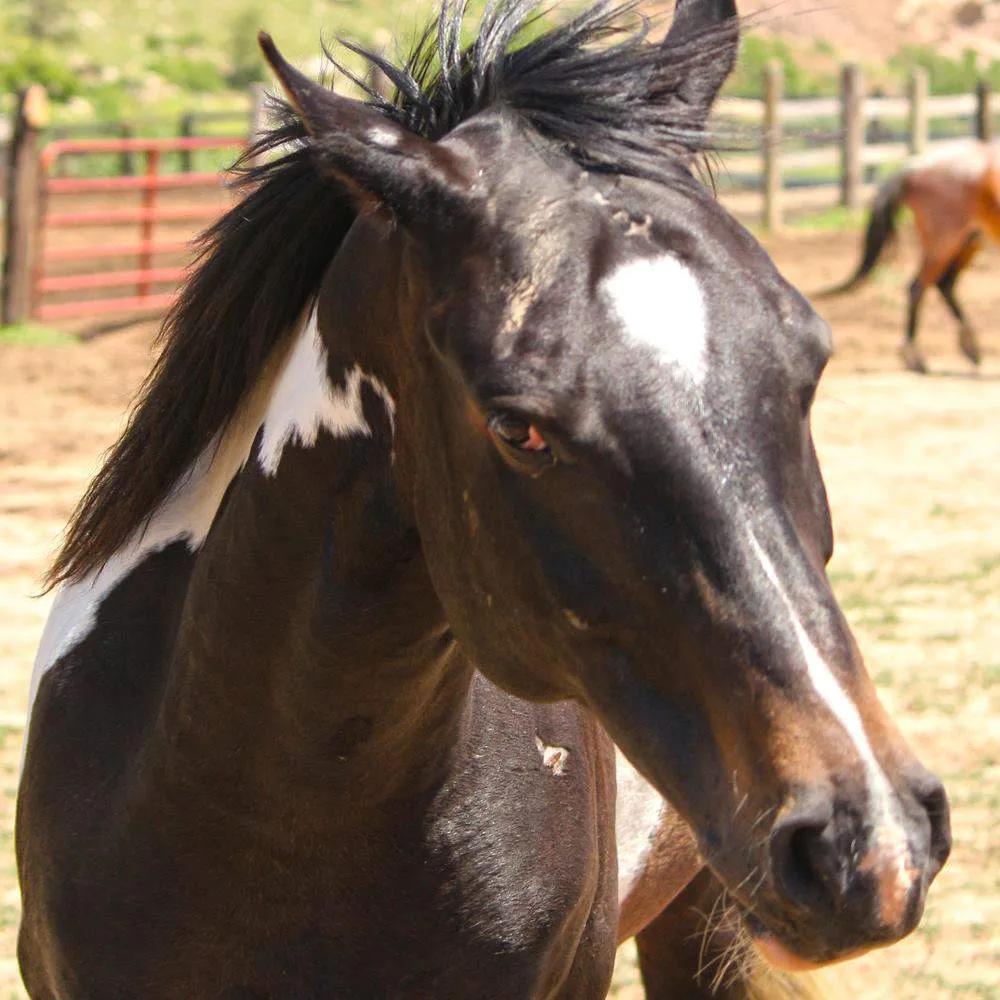 Horses Bod Language
The Training Process: Gradual Steps and Positive Reinforcement
When it comes to training, a gradual and progressive approach is paramount. Avoid rushing the process by trying to teach multiple complex commands at once. Instead, break down each task into smaller, manageable steps, allowing your horse ample time to learn and internalize the information. This patient method helps prevent common training issues such as bucking, bolting, or biting, which can arise from a rushed or confusing training experience. Positive reinforcement is a highly effective technique that encourages your horse to offer desired behaviors willingly, signaling a true understanding of your cues. This method fosters a trusting relationship, as your horse learns that cooperating leads to positive outcomes, rather than being forced into submission. By setting your horse up for success through clear, simple steps, you not only build their confidence but also prevent frustration for both of you. For those seeking to deepen their understanding of equine behavior and training, resources on assistant horse trainer programs can offer structured learning opportunities.
Becoming a Respected Leader
True leadership in horse training is not about dominance or instilling fear, but about building trust and inspiring confidence. A good leader guides their horse, ensuring their safety and well-being, and motivating them to learn and cooperate. Consistency is the cornerstone of effective leadership. Allowing a horse to run through a gate one day and then expecting them to stop the next creates confusion and undermines your authority. Establishing clear, consistent rules and boundaries helps your horse perceive you as a reliable leader. This reliability is what fosters respect, not fear. By maintaining consistency in your expectations and responses, you help your horse feel secure and understand their role within the partnership.
Navigating the world of horse training can be immensely rewarding. By focusing on clear communication through body language, employing patient and positive training methods, and establishing yourself as a consistent and trustworthy leader, you can build a strong and harmonious relationship with your equine partner. Exploring further resources, such as those on horse training internships, can provide valuable hands-on experience and mentorship.
If you have specific questions about your horse’s training or behavior, consider reaching out for personalized guidance. You can book a complimentary call to discuss your needs with no obligation.
HERE to book an appointment.
