
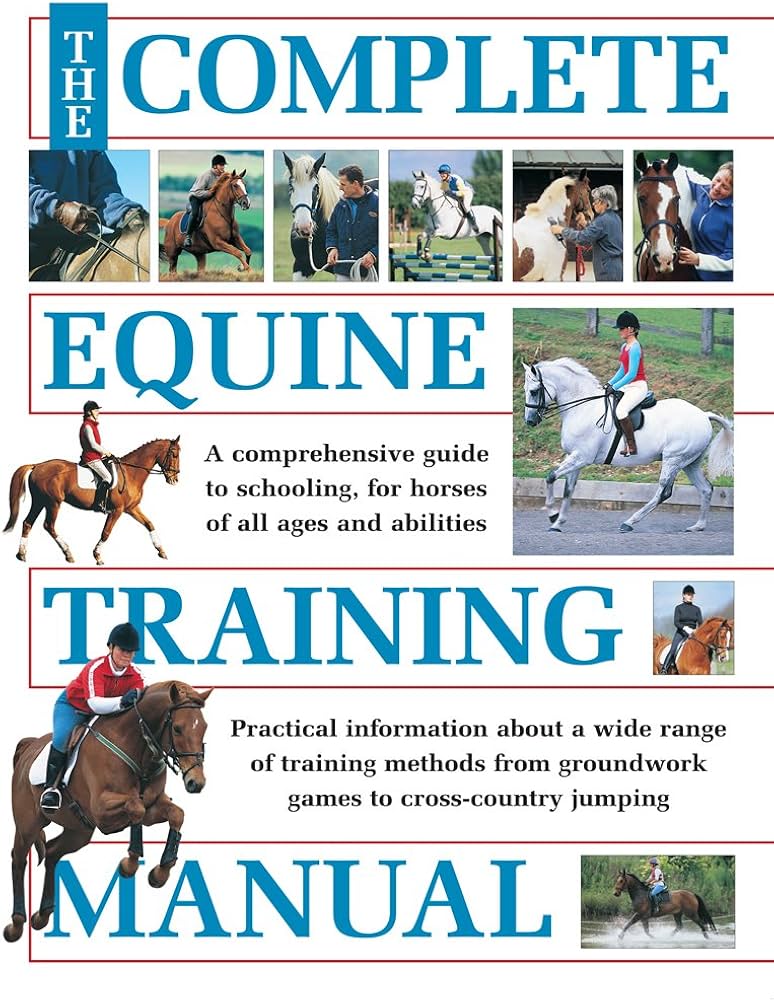
The world of show jumping is a thrilling partnership between horse and rider, a dance of power, precision, and trust. But before you can soar over towering obstacles, you must first master the fundamentals of Horse Training Jumping. This journey requires patience, a deep understanding of equine mechanics, and a commitment to building a confident, athletic partner. Whether you’re setting up your first cross-rail or looking to refine your course-riding skills, this guide will provide the foundational knowledge and advanced techniques to help you and your horse reach new heights. Similar to how a solid foundation is crucial in other disciplines, understanding the basics here is paramount; for a deeper dive into foundational work, exploring horse show jumping training can provide additional context.
The Foundations: Before You Take Flight
Many riders are eager to start jumping, but the most critical work happens on the flat. Without a solid foundation in flatwork, jumping efforts can become disorganized, unsafe, and stressful for the horse. Think of it as learning the alphabet before you can write a story.
Why Flatwork is Non-Negotiable
Before a horse can successfully navigate a fence, it needs to master three key elements: rhythm, balance, and straightness.
- Rhythm: A consistent, steady tempo in the walk, trot, and canter is the bedrock of all successful jumping. A horse that rushes or hesitates on the flat will do the same when approaching a jump.
- Balance: The horse must learn to carry itself without relying on the rider’s hands. This means engaging its hindquarters to lift its back and shoulders, allowing for a more powerful and agile takeoff.
- Straightness: A straight horse is balanced on both sides, using its body symmetrically. This ensures it approaches the center of the fence and pushes off evenly with both hind legs, leading to a cleaner, safer jump.
Developing these qualities often involves dressage principles. Exercises like circles, serpentines, and transitions are not just for the dressage arena; they are essential tools for any aspiring show jumper. Understanding lateral movements is also a game-changer; a well-trained horse responds to subtle cues, and learning how to train a horse to leg yield is a fantastic way to improve responsiveness and suppleness.
Starting Your Horse Over Poles and Jumps
Once your horse is confident and obedient on the flat, you can introduce poles. The goal here is not height, but rather education and confidence-building. Rushing this stage is one of the biggest mistakes a rider can make.
From Ground Poles to Cross-Rails
Start with a single ground pole at the walk, allowing the horse to look, sniff, and understand the new question being asked. Encourage them to step calmly over it. Progress to trotting over a series of four to five ground poles (cavaletti) spaced appropriately for your horse’s stride (typically 4.5 to 5 feet apart for a trot). This exercise encourages the horse to lower its head, lift its back, and become more aware of its foot placement.
Once the horse is comfortable with poles on the ground, you can introduce the first real jump: a small cross-rail (also called a cross-pole). A cross-rail is inviting because the lowest point is in the center, naturally guiding the horse to the middle of the obstacle. Approach at a steady, balanced trot. Your job as the rider is to stay quiet, maintain the rhythm, and allow the horse to figure it out. Keep the atmosphere positive and low-pressure.
Essential Jumping Exercises for Every Horse
With the basics established, you can move on to exercises that actively improve your horse’s jumping technique, adjustability, and carefulness. These exercises are the building blocks for navigating a full course of jumps.
Gymnastic Grids: The Equine Gym
A gymnastic grid is a series of fences set at specific distances that the horse jumps in succession without the rider’s intervention between obstacles. Grids are an invaluable tool in horse training jumping. They encourage the horse to think for itself, improve its form over a fence, and develop a better sense of balance and rhythm.
Dr. Eleanor Vance, an expert in equine biomechanics, states:
“Gymnastic grids are like a targeted workout session for the horse. They isolate specific muscle groups and refine the jumping arc in a controlled environment, building both physical strength and mental confidence without rider interference.”
A simple starting grid could be a cross-rail, followed by one stride (approximately 21-24 feet), and then a small vertical. This teaches the horse to land, rebalance, and immediately prepare for the next obstacle.
Related Distances and Lines
After mastering single fences and simple grids, the next step is riding lines of two or more jumps with a set number of strides between them. This is where rider accuracy becomes crucial. Walking the distance on foot first is essential to make a plan. An exercise could be two verticals set five strides apart on a straight line. The challenge is to ride it smoothly, maintaining the same canter rhythm, and arrive at the second fence at a good takeoff spot. This is a core skill for anyone considering a horse training career, as precision is key to success.
How to Solve Common Jumping Problems
Every horse and rider will encounter challenges. The key is to address them calmly and methodically, often by going back to the basics.
- Refusals and Run-Outs: This often stems from a lack of confidence (horse or rider), a bad approach, or pain. Rule out any physical issues first. Then, lower the jump height and re-establish confidence. Ensure you are approaching straight and with enough pace.
- Rushing: A horse that rushes fences is often anxious or off-balance. Use plenty of half-halts on the approach and incorporate circles or transitions before the fence to get the horse listening and waiting for your cue. Placing a pole on the ground nine to ten feet before the jump can also encourage the horse to slow down and back up.
- Knocking Poles Down: This can happen for many reasons. If it’s the front rail, the horse might be getting too close to the fence. If it’s the back rail, they might not be using their hind end powerfully enough. Gymnastic grids are one of the best ways to improve a horse’s natural technique and carefulness.
The Rider’s Role in Successful Jumping
A successful jumping round is a team effort. The rider has several critical responsibilities, beginning with their position. A secure two-point (or jumping) position, with your weight in your heels and your seat out of the saddle, allows the horse to use its back freely over the fence. An unstable lower leg or a rider who gets left behind the motion can disrupt the horse’s balance and even cause pain.
Developing your “eye” for a distance—the ability to see the correct takeoff spot—is a skill that takes years of practice. It’s not about finding the perfect spot every time, but about being able to adjust your horse’s stride in the final steps to the fence to produce the best possible jump from whatever spot you have. For those who want to unlock more advanced techniques, understanding the nuanced communication between horse and rider is one of the most guarded horse training secrets.
Frequently Asked Questions (FAQ)
What age can a horse start jumping?
Most horses can begin learning the fundamentals of horse training jumping over small fences around the age of four. It’s crucial not to rush them, as their joints and bones are still developing. The focus should be on confidence and correct technique, not height.
How often should I jump my horse?
For most horses, jumping once or twice a week is plenty. The other rides should be focused on flatwork, conditioning, and trail riding to keep their minds and bodies fresh. Over-jumping can lead to soundness issues and mental burnout.
What is the difference between hunter and jumper?
In hunter classes, the horse is judged on its form, rhythm, and manners, creating a smooth and seemingly effortless round. In jumper classes (like show jumping), the judging is objective: the goal is to clear all the fences within the time allowed. Knocking a pole or exceeding the time results in penalties.
How do I improve my horse’s jumping form?
Gymnastic grids are the number one tool for improving a horse’s natural jumping style. They teach the horse to be quicker with its front legs and push powerfully from behind, creating a better “bascule” or arc over the fence.
What’s the most important part of horse training for jumping?
The most crucial element is a solid foundation in flatwork. A horse that is balanced, rhythmic, and responsive on the flat will be infinitely easier and safer to train over fences.
Conclusion
The journey of horse training jumping is a marathon, not a sprint. It is built upon a foundation of excellent flatwork, patient progression, and a deep sense of partnership with your equine athlete. By focusing on building your horse’s confidence, methodically using exercises like grids and lines, and constantly refining your own position and aids, you can unlock your team’s true potential. Remember to celebrate the small victories, learn from the challenges, and always prioritize the well-being and happiness of your horse. With dedication and correct training, the joy of a clear round and the feeling of flying in perfect harmony is within your reach.
