
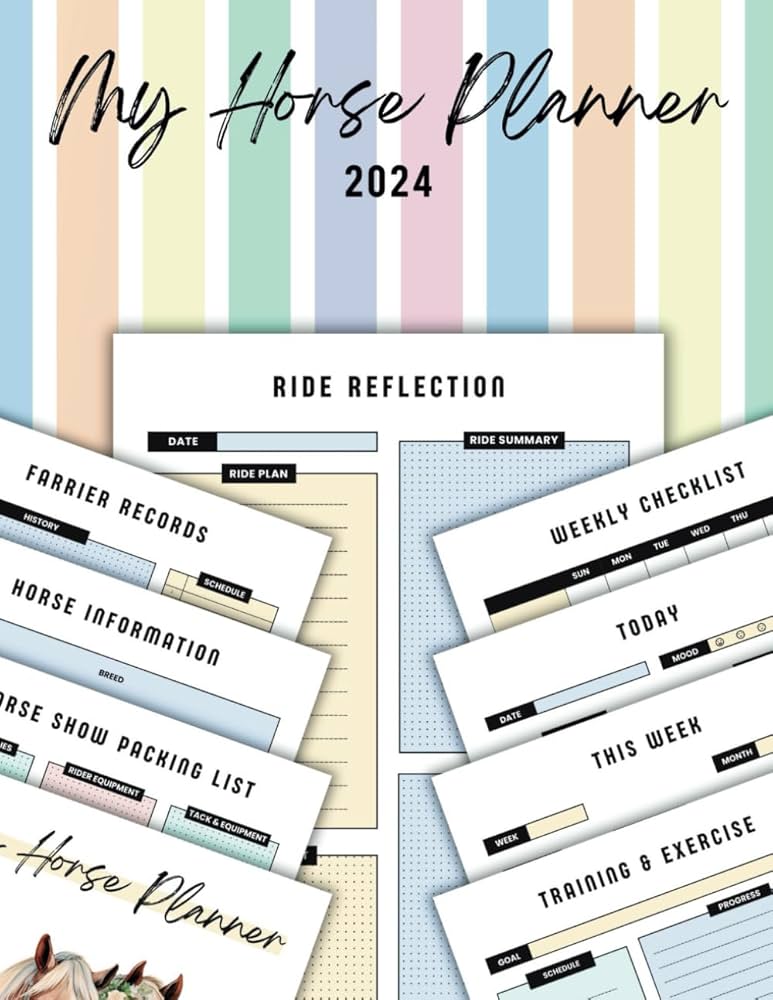
As a passionate equestrian, you understand that consistent progress and meticulous record-keeping are the cornerstones of successful horse training. Whether you’re a seasoned professional or just beginning your journey, a well-maintained Horse Training Journal is an indispensable tool. It’s more than just a notebook; it’s your personal logbook, your memory aid, and your strategic roadmap to achieving your training goals. In this guide, we’ll delve into why a horse training journal is crucial and how to make the most of yours to foster a stronger partnership with your equine companion.
Why Every Horse Trainer Needs a Journal
Think of your horse training journal as the diary of your equestrian life. Every session, every breakthrough, and even every setback provides valuable data. Without a system to capture these details, it’s easy to forget nuances that could inform future training decisions. A journal helps you:
- Track Progress: Monitor your horse’s development over time, noting improvements in responsiveness, gait, or specific maneuvers.
- Identify Patterns: Recognize what training methods work best for your horse, and conversely, what might be causing frustration or resistance.
- Problem-Solve: Document challenges encountered and the strategies you employed to overcome them, creating a valuable resource for future issues.
- Enhance Communication: Foster a deeper understanding of your horse’s reactions, moods, and learning curve.
- Set and Achieve Goals: Clearly define your training objectives and systematically work towards them, with tangible evidence of your efforts.
Essential Components of Your Horse Training Journal
To maximize the utility of your journal, it’s helpful to structure it with specific sections. While you can customize it to your needs, consider including the following:
1. Horse Identification & Basic Information
Start with the fundamentals. This section ensures you have all key details about your equine partner in one place.
- Horse’s Name:
- Breed:
- Age:
- Sex:
- Color:
- Date of Birth:
- Any distinctive markings:
- Temperament overview: (e.g., sensitive, bold, a bit spooky)
- Previous training experience (if known):
2. Training Session Log
This is the heart of your journal. Each entry should be detailed enough to provide a clear picture of the training session. Aim to fill this out as soon as possible after each session while the details are fresh.
- Date:
- Time of Session:
- Duration:
- Location: (e.g., arena, trail, paddock)
- Rider/Trainer:
- Horse’s Condition at Start: (e.g., fresh, tired, warm-up)
- Focus of Session: (e.g., groundwork, flatwork, jumping, trail riding, specific maneuver)
- Warm-up: Describe exercises used and horse’s response.
- Main Training Work: Detail the exercises performed, cues given, and the horse’s reactions. Be specific:
- What exercises did you do?
- What aids (reins, legs, seat) did you use?
- How did the horse respond? (e.g., immediately, hesitantly, resisted)
- Were there any breakthroughs or difficulties?
- Did you practice any specific horse training pdf techniques?
- Cool-down: Describe exercises and horse’s state.
- Horse’s Condition at End: (e.g., calm, tired, sweaty)
- Overall Notes/Observations: Include any insights about the horse’s mood, energy levels, or specific behaviors noticed during the session. Did you notice any signs of discomfort?
- Plan for Next Session: Briefly outline what you aim to work on next time.
3. Health & Veterinary Records
Keeping track of your horse’s health is paramount. This section complements your training log by providing context for performance.
- Vaccination Dates:
- Deworming Schedule:
- Farrier Visits: (Date, notes on hoof condition)
- Dental Care: (Date, any work done)
- Veterinary Visits: (Date, reason for visit, diagnosis, treatment, medication, follow-up instructions)
- Injuries/Illnesses: Document any incidents, treatments, and recovery progress.
4. Diet & Nutrition
A horse’s diet significantly impacts their energy, mood, and overall well-being, all of which influence training.
- Current Diet: (Type and amount of feed, hay, supplements)
- Feeding Schedule:
- Changes in Diet: (Date, reason, and observed effects)
- Water Access: (Ensure consistent availability)
5. Performance Goals & Milestones
Clearly defined goals provide direction and motivation.
- Short-Term Goals: (e.g., improve canter transitions, master a specific dressage movement)
- Long-Term Goals: (e.g., compete at a certain level, complete a challenging trail ride)
- Milestones Achieved: Celebrate successes and note them here.
Tips for Effective Journaling
- Be Consistent: Make journaling a habit. Even short, regular entries are more beneficial than infrequent, lengthy ones.
- Be Honest and Objective: Record what actually happened, not what you wish had happened. Objectivity is key to accurate assessment.
- Use Clear and Concise Language: Avoid jargon where possible, or explain it. Be specific with your descriptions.
- Date Everything: Every entry needs a date to track progress chronologically.
- Include Your Feelings (Optional but Recommended): Note your own emotional state during the session. Were you frustrated, patient, confident? This can offer valuable self-awareness.
- Review Regularly: Periodically read through past entries. This helps you see progress, identify recurring issues, and adjust your training plan. Looking back can offer insights similar to those needed when considering steps to becoming a horse trainer.
- Consider Digital vs. Physical: Choose a format that suits you best. A physical notebook offers a tactile experience, while digital apps or spreadsheets allow for easy searching and data analysis. Some platforms might even offer features for tracking things like horse training planner templates.
- Don’t Overcomplicate: Start simple. You can always add more sections or details as you become more comfortable. The most important thing is to start.
Advanced Journaling Techniques
As you become more adept, consider incorporating these advanced elements:
- Behavioral Observations: Beyond direct training responses, note subtle behaviors like ear flicking, tail swishing, or shifting weight, which can indicate the horse’s comfort or discomfort.
- Progress Photos/Videos: While not directly in the written journal, refer to them. Note the date and what the visual media captures.
- “What If” Scenarios: Use your journal to brainstorm solutions for potential problems. For instance, “What if my horse spooks at X on the trail? How will I handle it?” This proactive approach is vital, especially when dealing with unpredictable situations like those that might arise in los alamitos thoroughbred horse racing.
- Quotes or Reminders: Jot down inspiring quotes or key training principles you want to remember.
The Evolving Partnership
Your horse training journal is a living document that grows with you and your horse. It’s a testament to your dedication, patience, and commitment to building a strong, trusting relationship. By diligently recording your training journey, you not only enhance your effectiveness as a trainer but also create a rich history of your partnership. Remember, consistent effort and insightful observation, aided by your journal, can help you navigate even the most challenging aspects of horsemanship, preventing potential setbacks that might otherwise occur, unlike unfortunate events such as a horse trainer death. Embrace the process, learn from every entry, and enjoy the rewarding journey of training your horse to excellence.
