
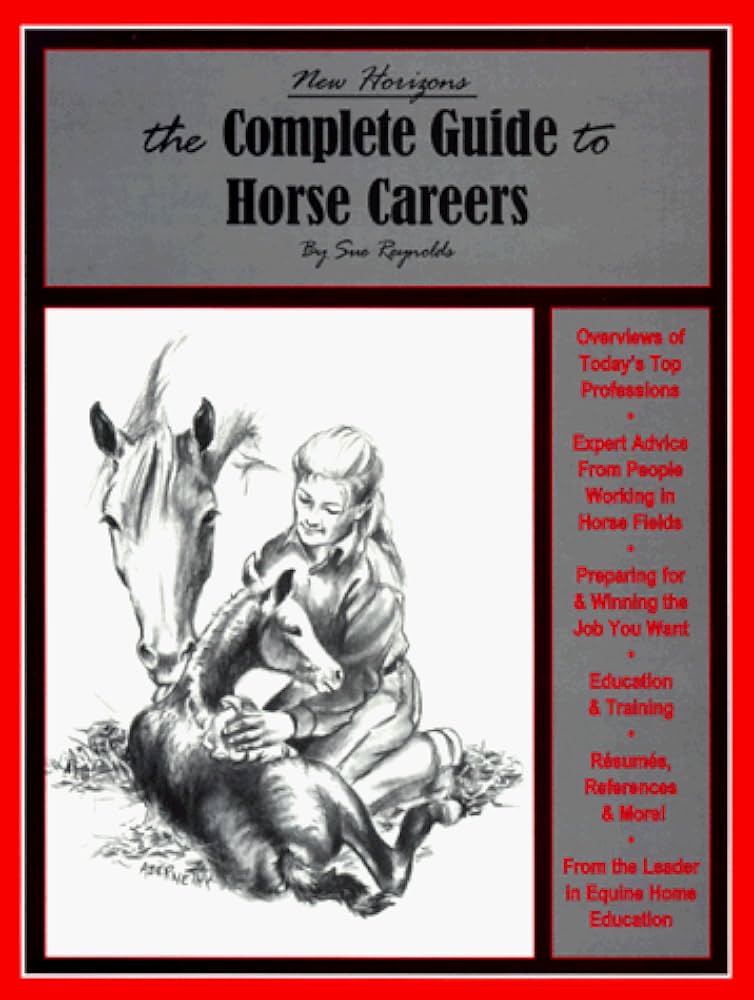
For those with a deep-seated passion for horses, the idea of turning that love into a profession is a compelling dream. The world of equestrianism offers a diverse range of career paths that go far beyond simply riding. A career in this field is not just a job; it’s a lifestyle dedicated to the well-being, development, and performance of these magnificent animals. Exploring the variety of Horse Training Jobs available is the first step toward a deeply rewarding journey, blending athletic partnership with expert care. This guide will walk you through the landscape of equine professions, from entry-level roles to specialized training careers.
Understanding the breadth of this industry is crucial for anyone considering this path. While the role of a head trainer is often the most visible, it is supported by a dedicated team of professionals, each playing a vital part in a horse’s life. For those wondering, i want to be a horse trainer, it is important to recognize that the journey often begins with foundational roles that build essential hands-on experience and an intuitive understanding of equine behavior.
The Spectrum of Horse Training Careers
The term “horse trainer” is an umbrella that covers a wide variety of specializations and roles. The path you choose will depend on your interests, skills, and the specific equestrian discipline that captivates you. From the fast-paced world of racing to the precise artistry of dressage, there is a niche for almost every type of horse enthusiast.
Foundational and Entry-Level Roles
Before one can train a horse, one must understand its fundamental needs. Foundational jobs are the bedrock of the industry, providing the essential experience required for more advanced positions.
- Groom: Often the unsung heroes of the equestrian world, grooms are responsible for the daily care of horses. This includes feeding, watering, mucking out stalls, grooming, and monitoring the horse’s health. A top-tier groom has an impeccable eye for detail and is often the first to notice subtle changes in a horse’s condition.
- Exercise Rider: This role involves riding horses to keep them fit and conditioned under the guidance of a head trainer. An exercise rider must have a strong seat, soft hands, and the ability to follow instructions precisely to maintain the horse’s training regimen without altering it.
- Stable Hand/Barn Assistant: This is a general role that can encompass a wide range of duties, from barn maintenance and feeding to assisting with grooming and tacking up horses. It’s an excellent starting point for gaining a comprehensive overview of barn management and horse care.
Advancing to a Trainer Role
As you gain experience, you can move into roles that involve more direct training responsibilities. These positions require a deeper understanding of equine psychology, learning theory, and specific disciplinary techniques.
- Assistant Trainer: Working directly under a head trainer, an assistant helps implement training programs, rides multiple horses, and may even begin coaching students. This is a critical apprenticeship period where aspiring trainers hone their craft. The demand for capable assistants is constant, so seeing a posting for an assistant horse trainer wanted is common in equestrian communities.
- Head Trainer/Barn Manager: This individual is responsible for overseeing the entire training program at a stable. They design training schedules for each horse, manage staff, communicate with clients (the horse owners), and often compete. This role requires not only exceptional horsemanship but also strong business acumen and leadership skills.
Skills and Qualifications for Success
A career in horse training is not something one can learn solely from a book. It demands a unique combination of physical skill, theoretical knowledge, and innate personal qualities. While formal education is becoming more common, hands-on experience remains the most valuable asset.
Essential Horsemanship Skills
At its core, every horse training job requires a profound understanding of the horse itself. This includes:
- Reading Horse Behavior: The ability to interpret a horse’s body language is non-negotiable. Understanding whether a horse is confused, scared, confident, or defiant is key to effective and ethical training.
- Groundwork Expertise: Effective training begins on the ground. Skills in leading, lunging, and general handling build a foundation of respect and communication. The principles behind selecting appropriate tools, like knowing the right round pen sizes for training horses, are part of this foundational knowledge.
- Riding Proficiency: For riding-specific jobs, a balanced and independent seat is crucial. A good trainer’s aids (legs, seat, and hands) are clear, consistent, and subtle, allowing for effective communication with the horse.
Personal Attributes of a Great Trainer
Beyond technical skills, certain personal qualities separate the good from the great.
Dr. Alistair Finch, an equine behavior specialist, states, “The most effective trainers possess an almost endless well of patience. Horses learn at their own pace, and progress is rarely linear. A trainer must celebrate the small victories and navigate the setbacks without frustration, always prioritizing the horse’s mental and emotional well-being.”
Other critical attributes include:
- Patience and Empathy: The ability to see the world from the horse’s perspective and understand its fears and instincts.
- Physical Fitness and Resilience: Working with horses is physically demanding and often involves long hours in all weather conditions.
- Strong Communication Skills: Trainers must be able to clearly communicate with clients, staff, veterinarians, and farriers.
What is the Salary of a Horse Trainer?
Compensation in the equestrian industry can vary dramatically based on location, discipline, experience, and reputation. It’s a field driven more by passion than by the promise of immense wealth, though successful trainers can earn a very comfortable living.
Entry-level positions like grooms or stable hands might start at or slightly above minimum wage, often with the benefit of on-site housing. As one gains experience, salaries increase. An experienced groom at a top competition barn can earn a respectable salary.
For trainers, income is often a mix of a base salary, lesson fees, and commissions on horse sales.
- Assistant Trainers: Might earn anywhere from $25,000 to $45,000 annually, depending on the facility.
- Head Trainers: The range is vast. A trainer at a local lesson barn might earn $40,000 to $60,000, while a highly successful trainer with a string of champion horses and wealthy clients could earn well into six figures. Understanding the factors that influence the salary of a horse trainer is key to setting realistic career expectations.
Finding Your Place in the Equestrian World
Breaking into the world of horse training jobs requires proactive effort and networking. The industry is tight-knit, and reputation is everything.
- Networking: Attend clinics, competitions, and local equestrian events. Introduce yourself to trainers and barn managers. A willingness to learn and a strong work ethic will be noticed.
- Working Student Positions: Many aspiring trainers start as working students, trading labor (grooming, mucking stalls) for lessons and experience. This is one of the most effective ways to learn directly from a seasoned professional.
- Online Job Boards: Websites dedicated to the equestrian industry, like Equine.com or YardandGroom.com, frequently list openings for all levels of experience.
- Specialization: Consider specializing in a particular area. Whether it’s starting young horses, retraining problem horses, or focusing on a specific discipline like reining or eventing, having a niche can make you more marketable. Exploring unique methodologies, like those seen at places such as blackwater horse training, can provide inspiration for a specialized career path.
A career with horses is a commitment to a lifestyle of continuous learning. Every horse presents a new puzzle, a new personality, and a new opportunity to refine your skills. It’s a profession that demands hard work, dedication, and a resilient spirit, but the rewards are immeasurable. The partnership forged between a horse and a human built on trust and mutual respect is one of the most profound experiences one can have. For those called to this life, the journey of pursuing horse training jobs is as fulfilling as the destination.
Frequently Asked Questions (FAQ)
Do I need a college degree to get a horse training job?
No, a college degree is generally not required to become a horse trainer. The industry places a much higher value on hands-on experience, practical skills, and a proven track record. However, degrees in equine science, animal science, or business management can be beneficial, especially for those looking to manage large equestrian facilities.
How much experience do I need to start?
You can start with very little horse experience in an entry-level position like a stable hand. The most important qualities are a strong work ethic, a willingness to learn, and a genuine love for the animals. Most aspiring trainers spend several years in foundational roles before they begin training horses professionally.
What are the biggest challenges of this career?
The biggest challenges include the physically demanding nature of the work, long hours, and the potential for injury. The financial aspect can also be challenging, as salaries can be modest, especially in the early stages. It also requires significant emotional resilience to handle the ups and downs of training and competition.
Can I specialize in working with a specific horse breed?
Absolutely. Many trainers choose to specialize in breeds suited to their preferred discipline, such as Quarter Horses for reining and cutting, Thoroughbreds for racing, or Warmbloods for dressage and show jumping. Becoming an expert in a particular breed can be a significant career advantage.
What is the difference between English and Western training jobs?
English and Western riding are two distinct styles with different disciplines and corresponding training methods. English training jobs often focus on disciplines like hunter/jumper, dressage, and eventing. Western training jobs focus on sports like reining, cutting, and rodeo events. While the foundational principles of good horsemanship are universal, the specific skills and career paths can be quite different.
